Shawn P.
Google
A Grounded, Historic Welcome at 16th Street Baptist Church – Alabama
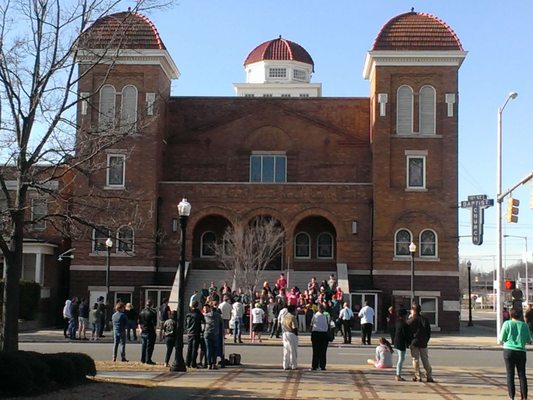
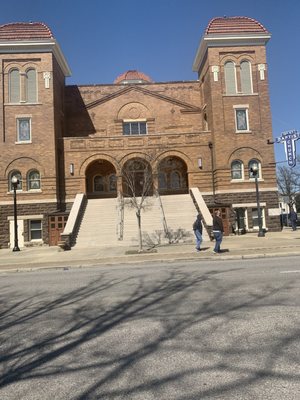
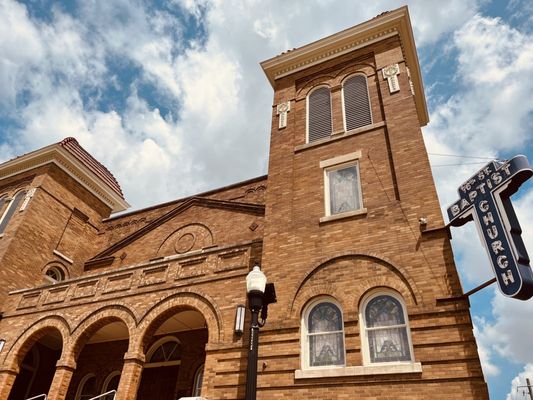
If you’re exploring Birmingham or seeking a meaningful historic site with a powerful story, 16th Street Baptist Church is a must-visit. This landmark stands as a beacon of courage, faith, and justice in American history, inviting reflection and learning for visitors from all backgrounds.
What makes it special
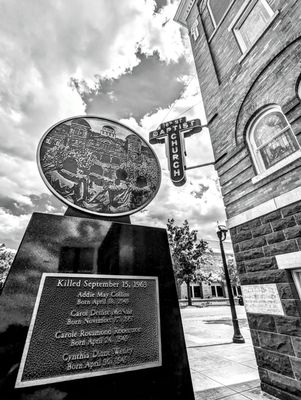
Rich historical significance: The church is a pivotal symbol of the civil rights movement, marked by its role in marches, activism, and the quest for racial equality.
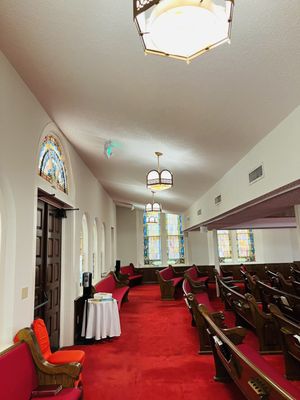
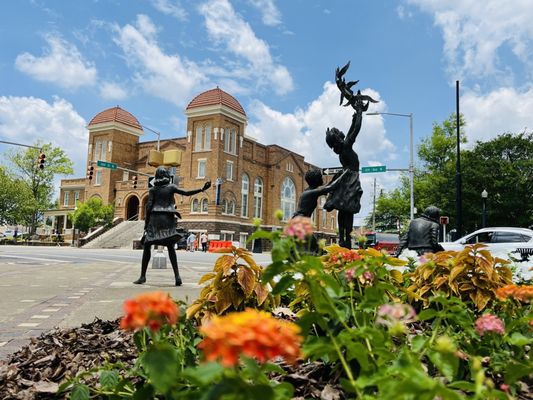
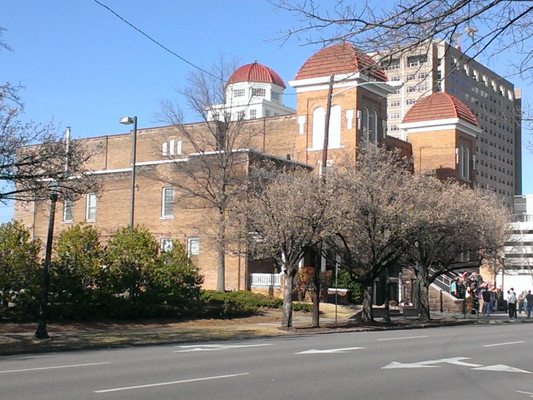
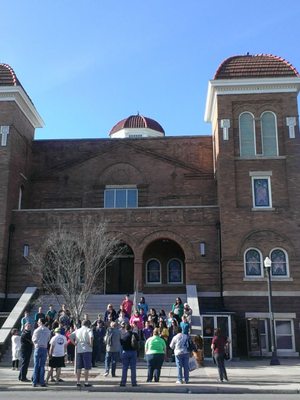
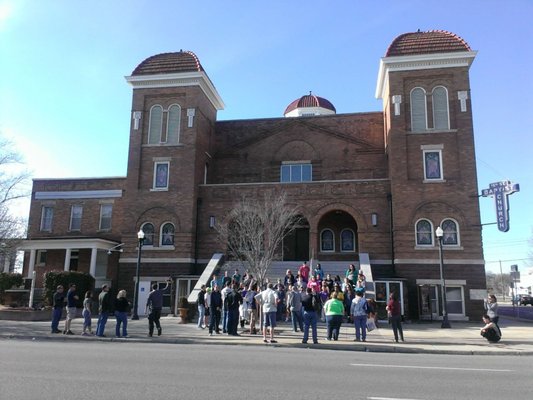
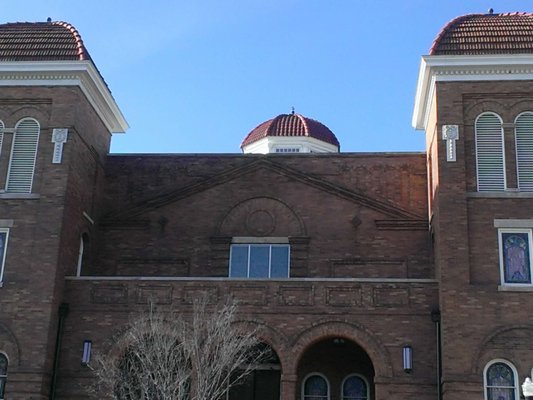
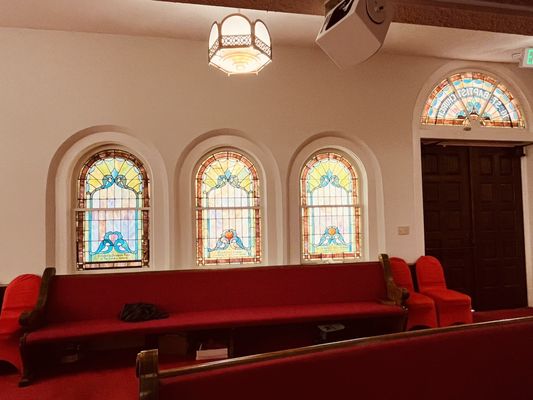
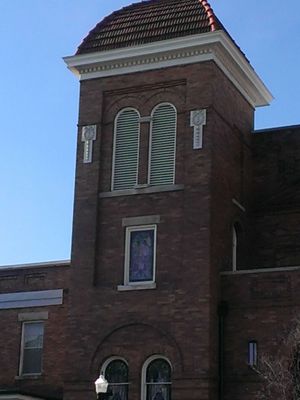
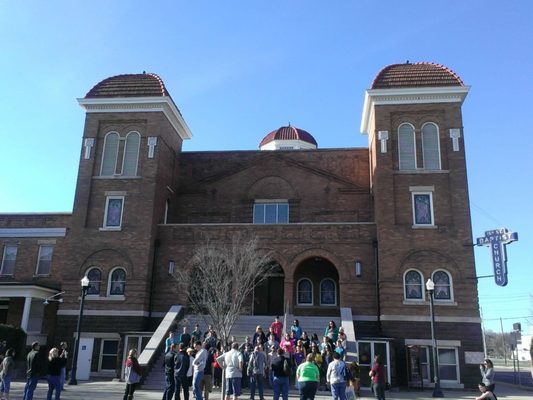
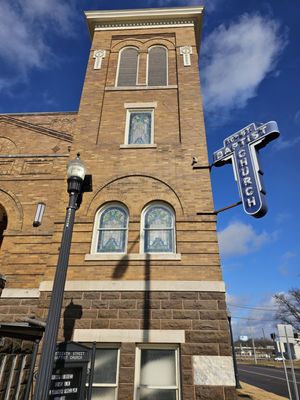
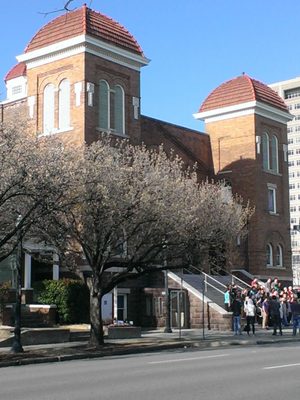
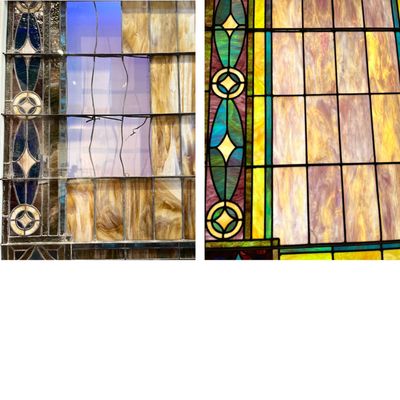
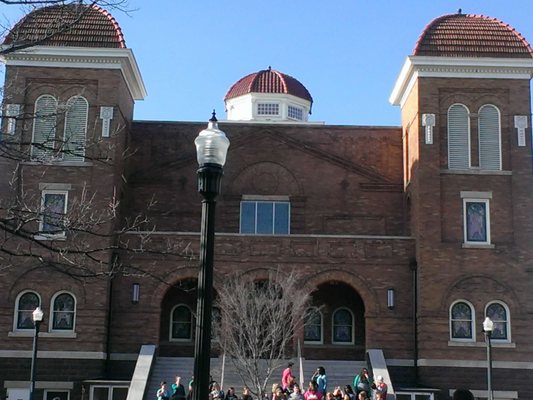
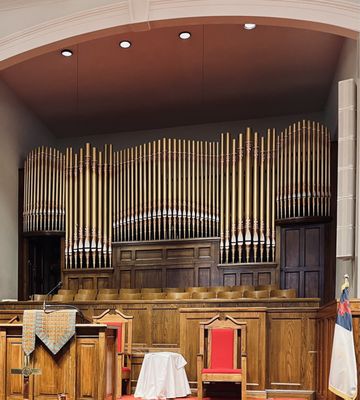
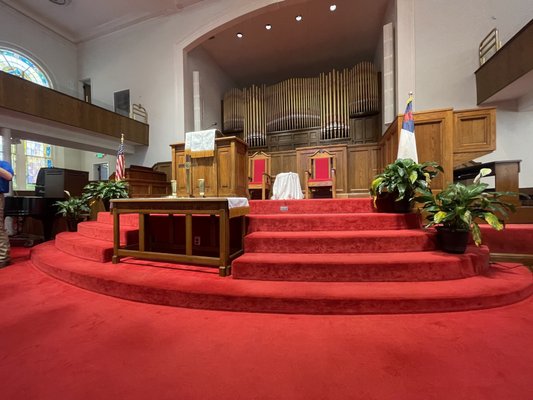
Architectural and cultural monument: The church’s architecture and preservation reflect the era and the community’s resilience, making it an important destination for history and heritage.
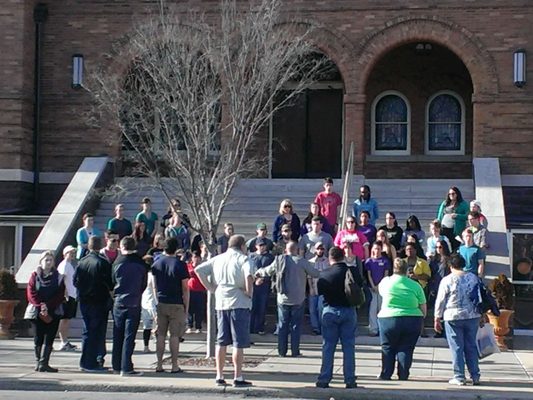
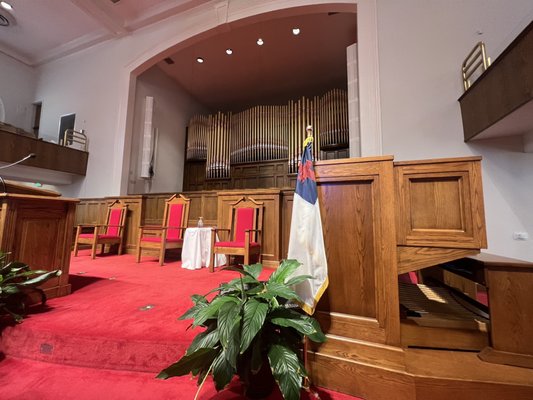
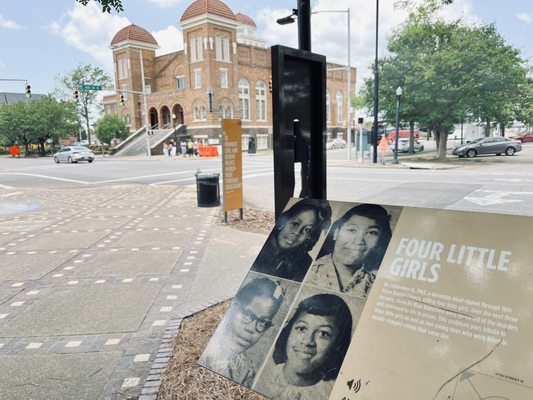
Educational context: The site offers educational materials, exhibits, and guided context that help visitors understand the social and historical impact of the church and the Civil Rights era.
Reverent, inclusive atmosphere: The space invites respectful reflection and conversation about history, justice, and community healing.
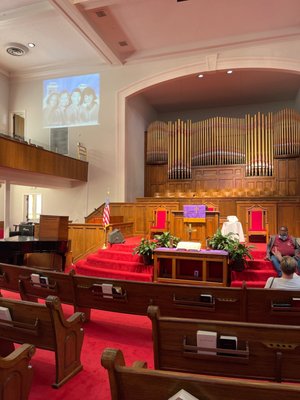
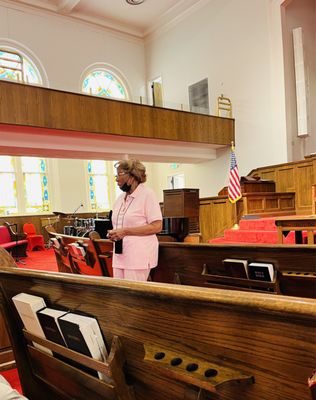
Ongoing legacy: The church remains an active congregation and community hub, continuing to host events and outreach that reflect its enduring mission.
What to expect
A moving commemorative experience: Visitors often feel a mix of solemnity, respect, and inspiration as they engage with the site’s memory and ongoing civil rights impact.
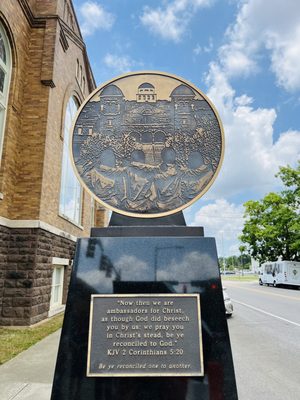
Guided and self-guided insights: Informational plaques, tours, and educational resources help frame the historical significance and ongoing relevance.
Cultural resonance: The church’s story intersects with broader national history, making it a powerful stop for learning about civil rights and community resilience.
Practical tips
Dress thoughtfully and respectfully: The site honors a serious portion of history; comfortable walking shoes are advisable for onsite exploration.
Allocate time for reflection: Plan for quiet moments to absorb the significance beyond the surface of the building.
Check visiting hours and tours: Some programs or commemorations may affect access at certain times.
Bring a notebook or audio guide: Jot down reflections or key facts for future study or discussion.
Bottom line
16th Street Baptist Church is more than a landmark—it's a living memory and a beacon of courage, justice, and faith. A must-visit for history buffs, students, and anyone seeking a deeper understanding of the Civil Rights Movement and its ongoing call to action. Highly recommended for travelers and locals alike who want to connect with a powerful piece of American history.