Aldebaran O.
Google
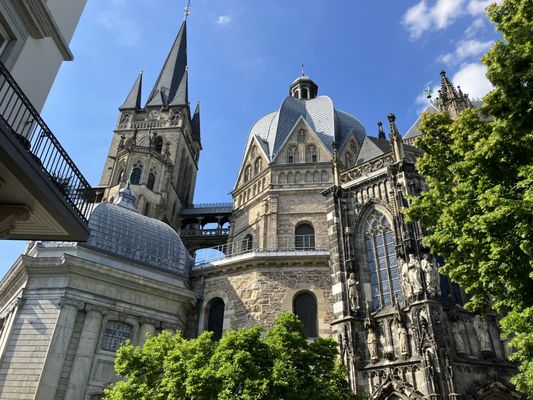
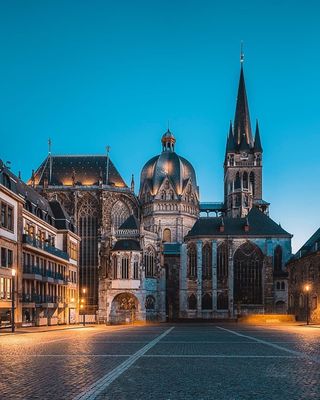
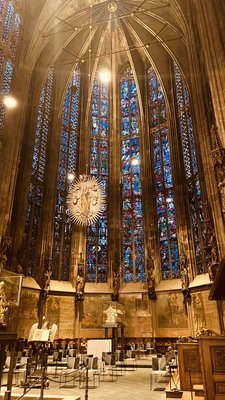
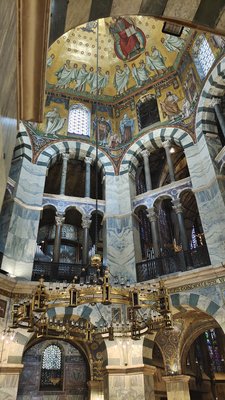
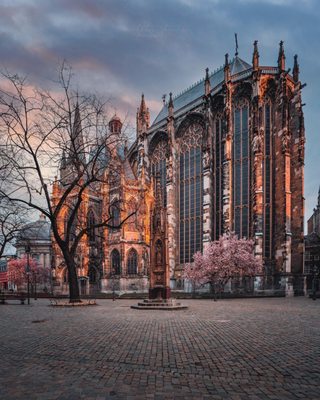
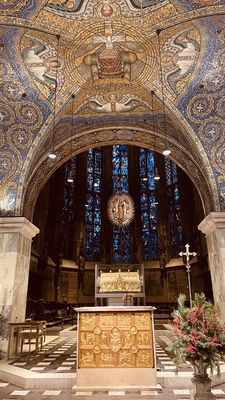
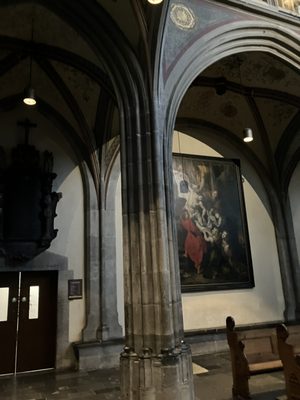
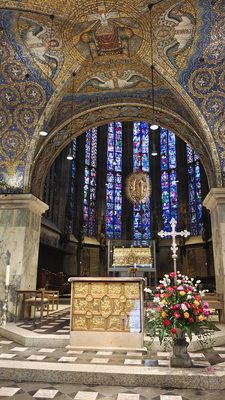
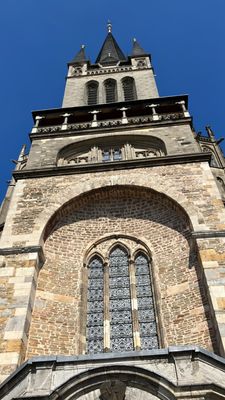
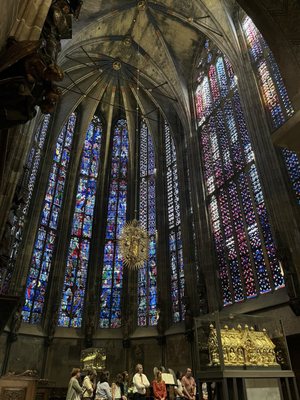
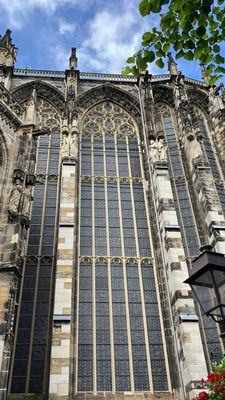
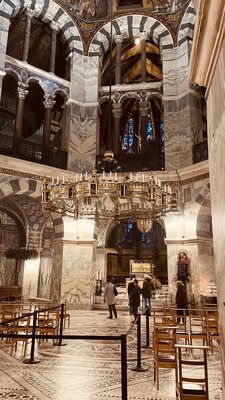
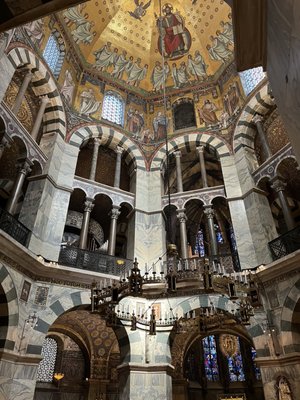
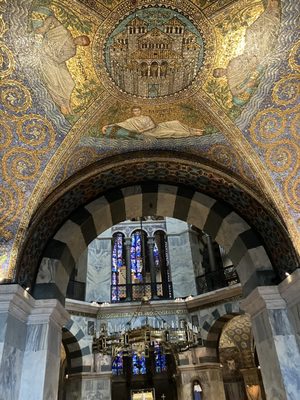
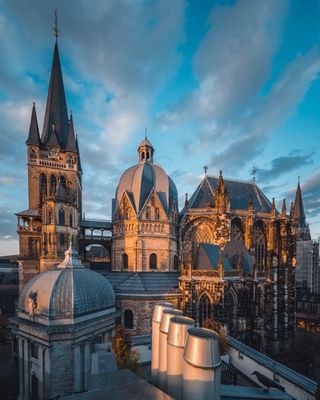
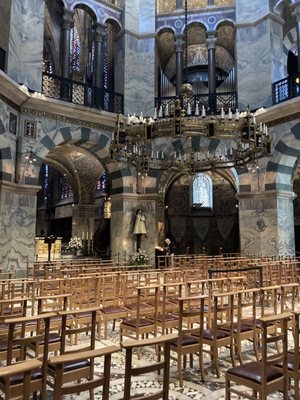
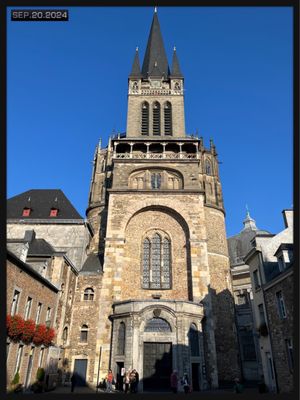
Aachen Cathedral, known in German as Aachener Dom, stands as one of Europe’s most historically significant ecclesiastical structures. Commissioned by Emperor Charlemagne in 796, the cathedral represents an enduring testament to Carolingian architectural ambition and religious devotion. Its status as one of the oldest cathedrals on the continent underscores its foundational role in the development of European sacred architecture.
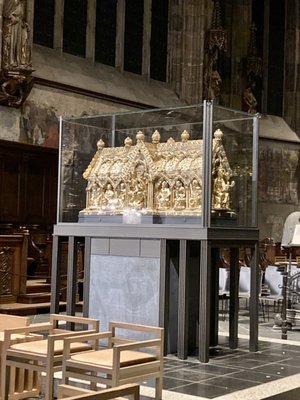
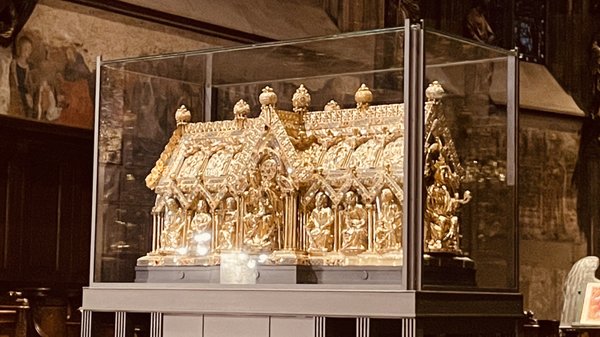
The cathedral’s importance is further heightened by its direct association with Charlemagne, who was interred within its walls upon his death. This connection has long contributed to the site’s reverence and its cultural and historical prominence.
In recognition of its exceptional universal value, Aachen Cathedral was inscribed as a UNESCO World Heritage Site in 1978. Notably, it was among the earliest sites ever to receive this designation, reflecting both its architectural distinction and its deep historical resonance.
Overall, Aachen Cathedral embodies a remarkable convergence of historical significance, architectural heritage, and cultural legacy. Its early UNESCO inscription affirms its standing as a landmark of international importance.