Andrew W.
Yelp
A dozen years ago, I went to an exhibit of Robert Rauschenberg's "combines" at the Museum of Contemporary Art in Los Angeles. These works are considered groundbreaking creations representing a landmark development in modern art: Rauschenberg began incorporating different media into paintings ― items that were often picked out of the trash the artist found on the streets of New York City. Tires, stuffed birds, silverware, pillows, chicken wire, old furniture, and shreds of fabric and newspaper are held together with dried, congealed drips and splashes of paint: This is supposed to be the work of a visionary. But I grew up in the South, and every town has at least one house with a front yard chock-full of stuff that an art historian would be hard-pressed to distinguish from a Rauschenberg combine. But it's really just the junk collected by crazy old Uncle Winchell (and everyone knows he ain't right in the head). Highfalutin' yankees have been copying the styles they find in Uncle Winchell's front yard ― or just buying it cheap and selling it at a huge mark-up ― for decades. "Outsider Art" has even been the subject of episodes of "The Simpsons," "King of the Hill," and Amy Adams' breakthrough film, "Junebug." But what happens when the artist is in on the joke? What do you get when the "outsider" is an insider? The answer is: The Abita Mystery House.
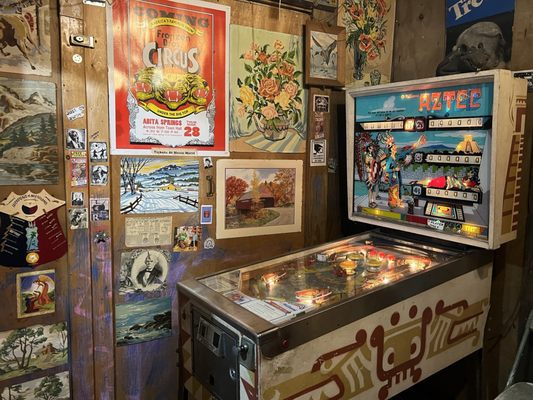
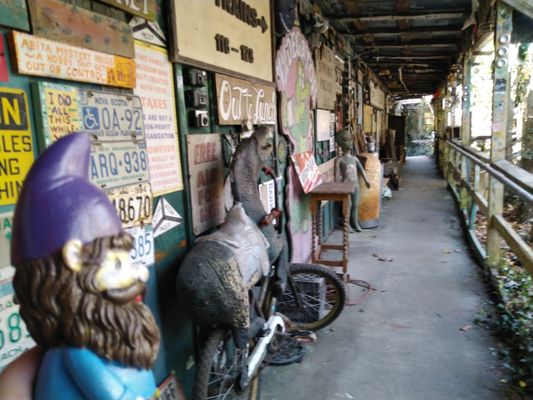
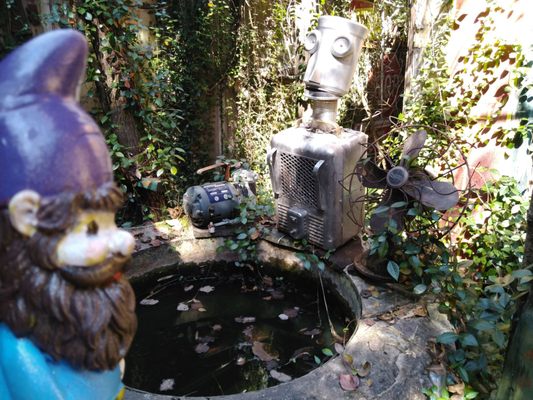
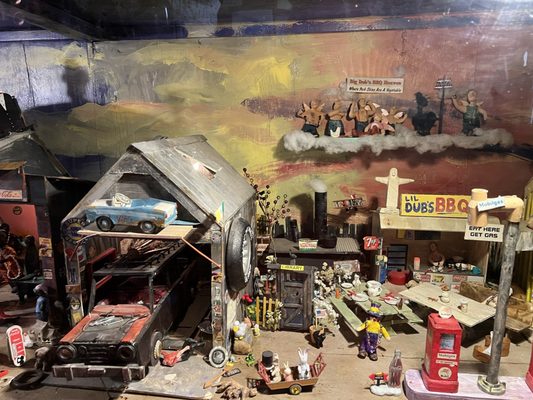
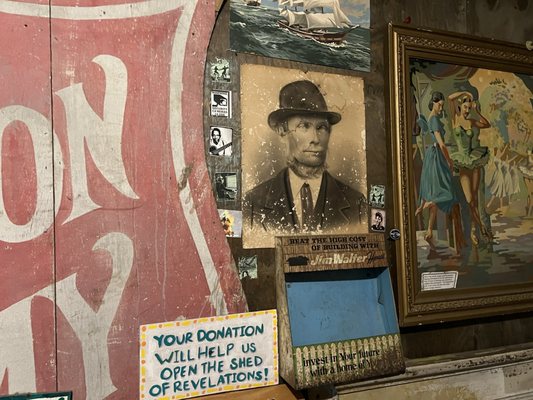
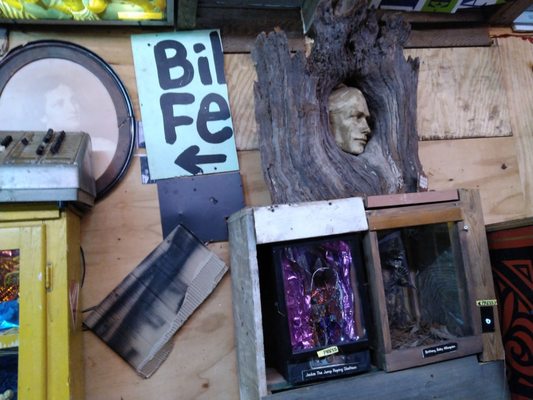
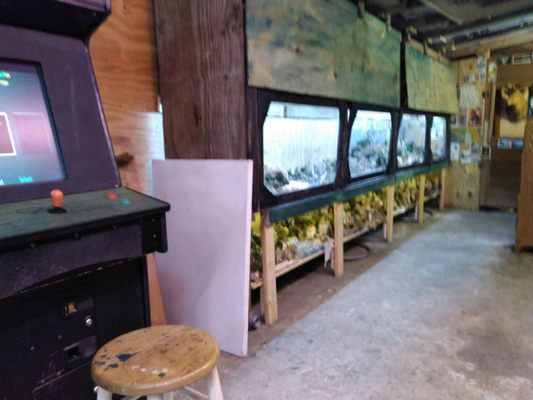
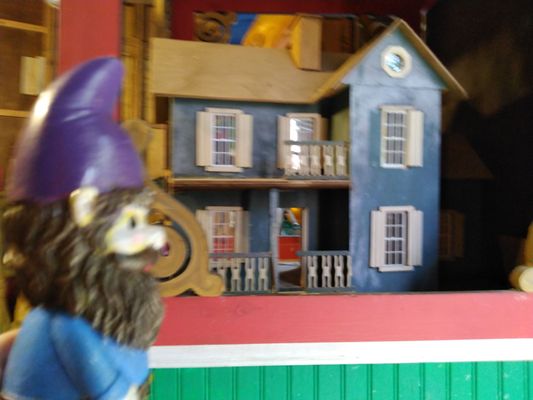
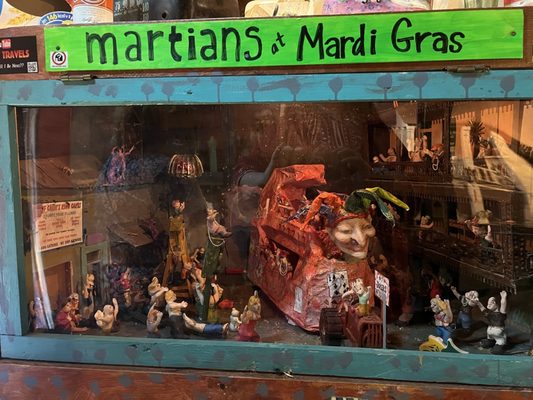
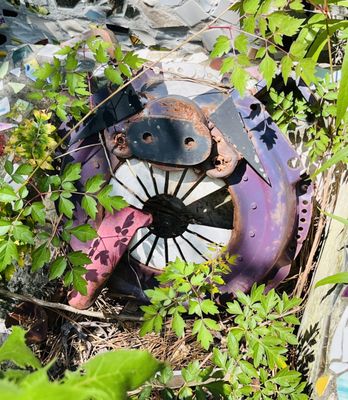
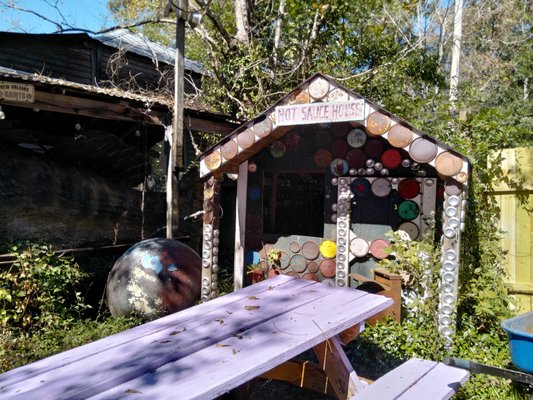
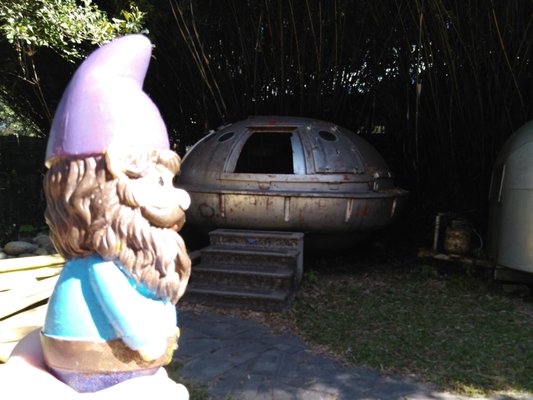
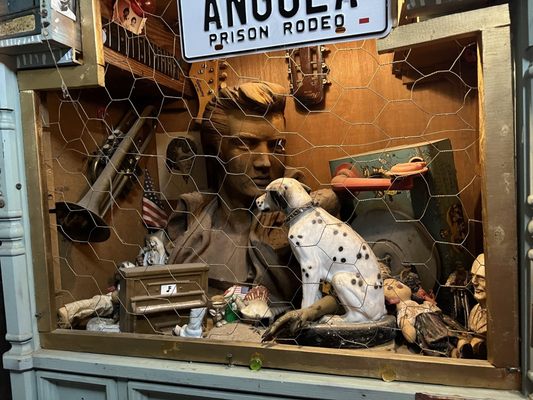
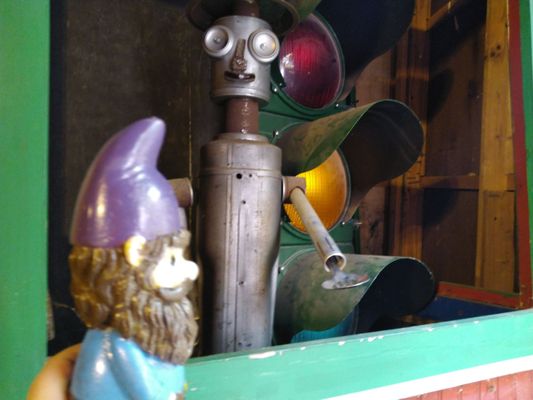
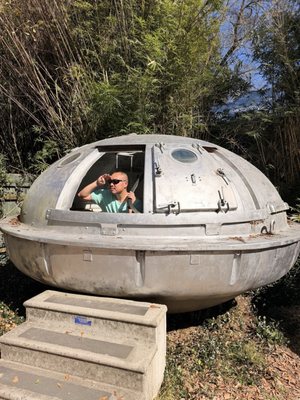
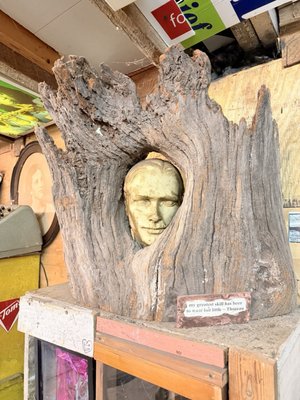
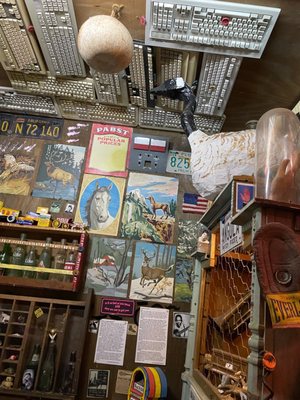
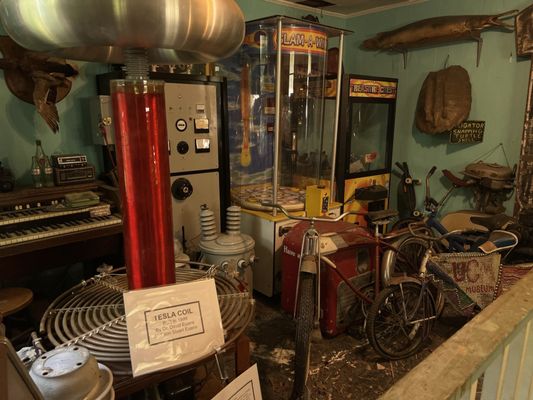
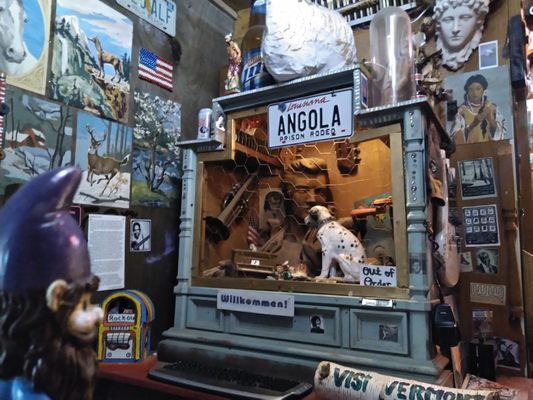
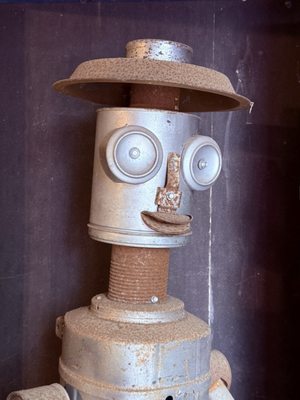
Talk to the artist-cum-proprietor long enough, and one discovers that he's not some backwoods hick gluing random junk on the walls. No siree-bob: Everything is designed ahead of time; the random chaos of the Abita Mystery House is carefully planned. Collecting the "junk" inside the place must have taken many years, and there are some fantastic items on the walls. And ceilings. And floors. The first museum structure ― an authentic Creole cottage that's nearly a century old ― contains a series of whimsical dioramas that move with the push of a button. Vintage arcade games are dotted around the labyrinthine floor along with other strange machines like a popsicle-stick roller coaster reminiscent of the old Mouse Trap board game and a "career counseling machine." (Bring quarters.) The "House of Shards" is covered in a mosaic of colorful broken dishes ― the bathroom is particularly striking with its random alphabet of broken plate letters. Some other structures have yet to be finished, and the outside of the structures ― including the curved walls made of colored glass bottles and the small "Hot Sauce House," a little shack filled with hundreds of different bottles of red pepper-based condiments ― apparently seem to be left to weather in the extreme Louisiana elements of harsh sun, heavy rain, high humidity, and aggressive vegetation.
Everything is done with a sense of humor: The sign on the front door advertises "Thelma the 32-foot Alligator"; when one finally finds Thelma (SPOILER ALERT), she is barely a foot in length... but she has thirty-two feet. One of the many hand-painted signs inside reads, "Make BIG money, open a cool museum!!!", and the owner readily admits that the Tinkertown Museum in Sandia Park, New Mexico inspired the Abita Mystery House. "All of those artists come down here and copy my work," he said, and given what I've seen in museums, I believe him. But the Abita Mystery House is a lot more fun than the derivative, self-serious installations one finds in the contemporary galleries of New York, Los Angeles, and San Francisco. Anyone passing through this part of the country should take the time to drop into Abita Mystery House. It's one of Louisiana's bizarre treasures.