Abney Park Cemetery Trust
Cemetery · Stoke Newington ·
Historic parkland, arboretum, and non-denominational cemetery

















Historic parkland, arboretum, and non-denominational cemetery
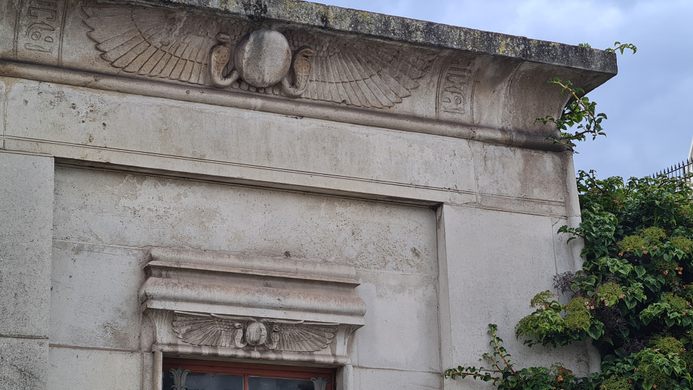
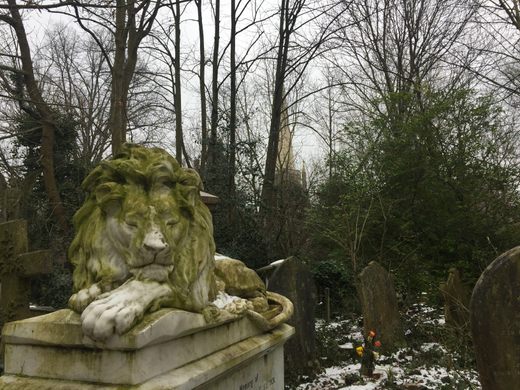
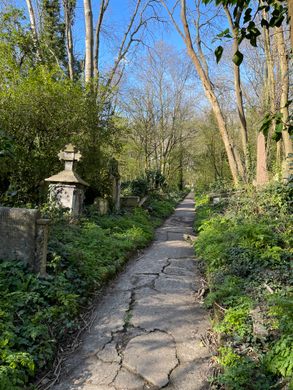
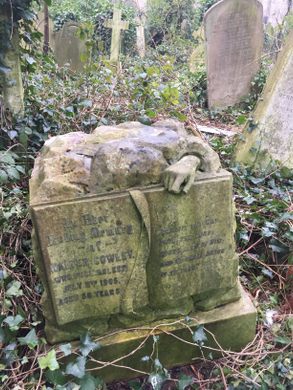
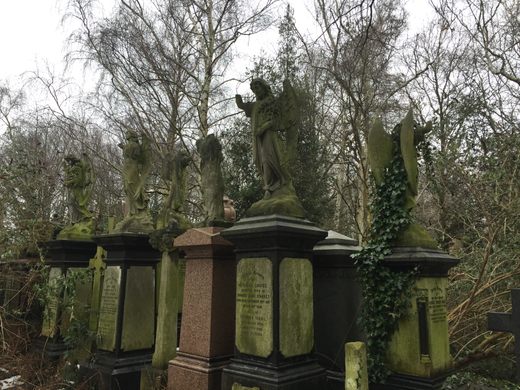
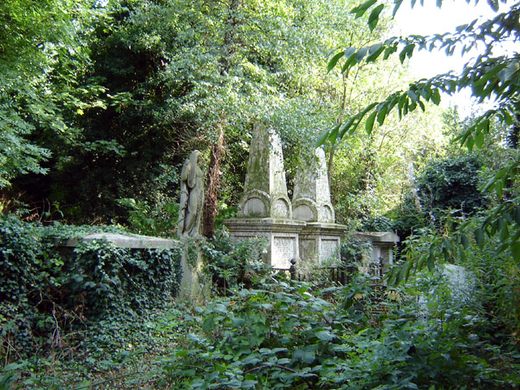
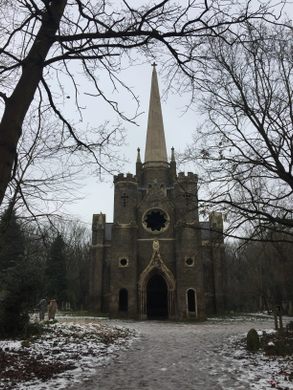
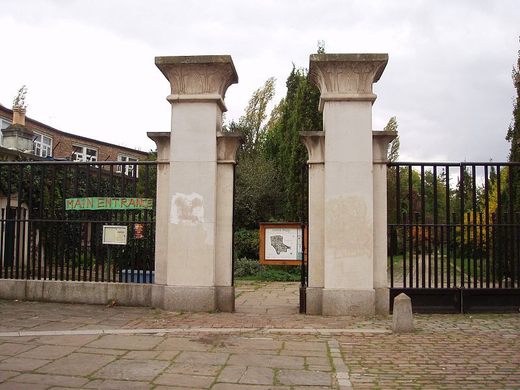
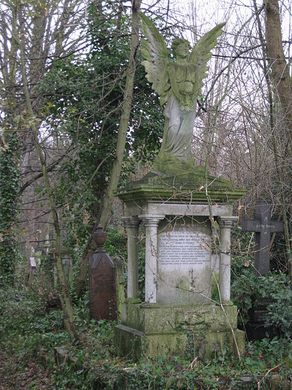
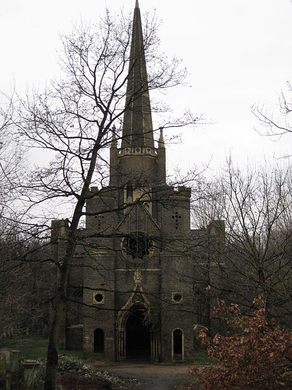
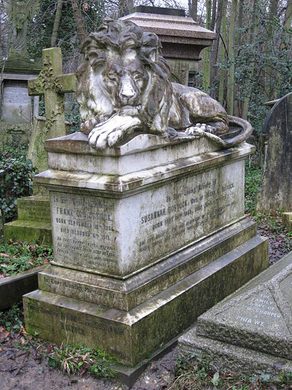
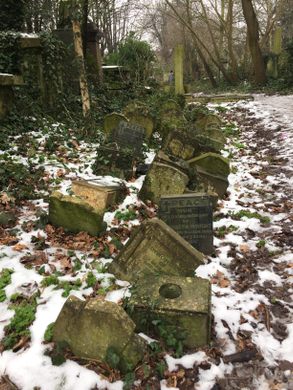
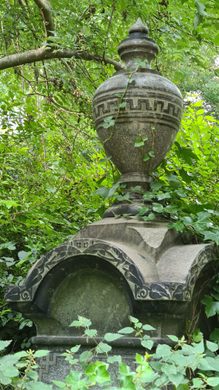
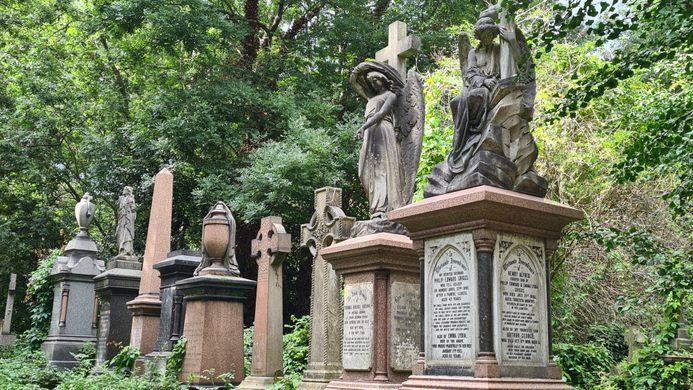
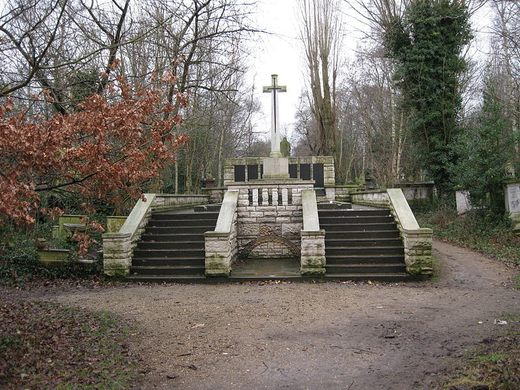
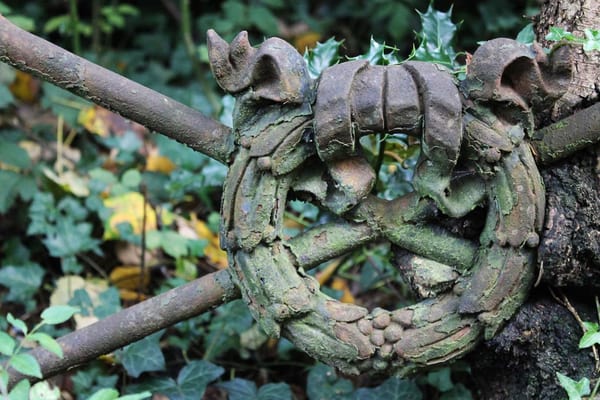
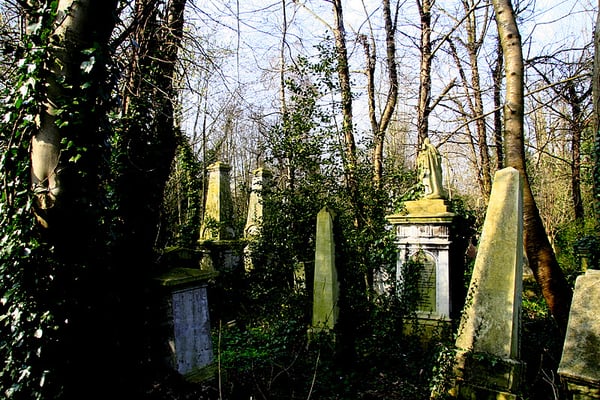
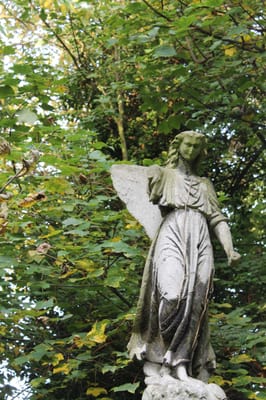
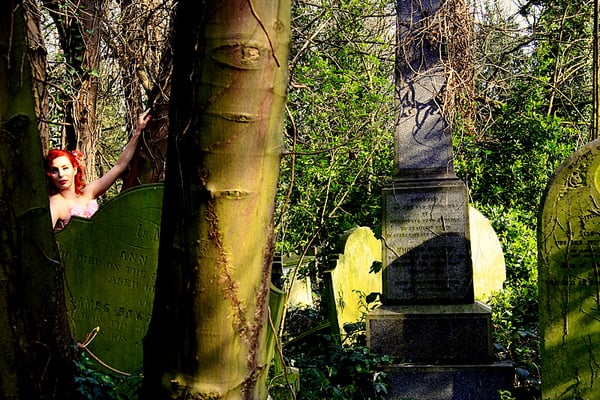
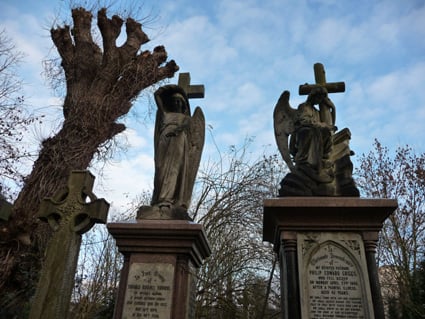
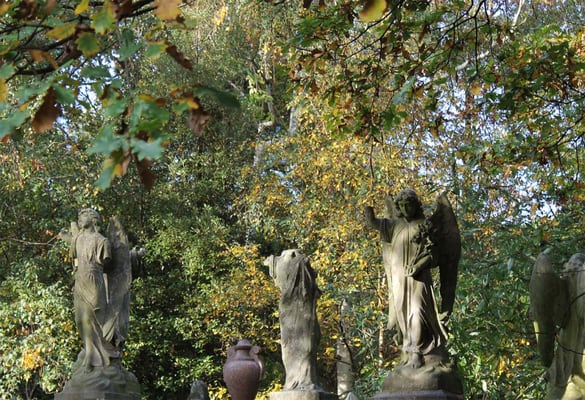
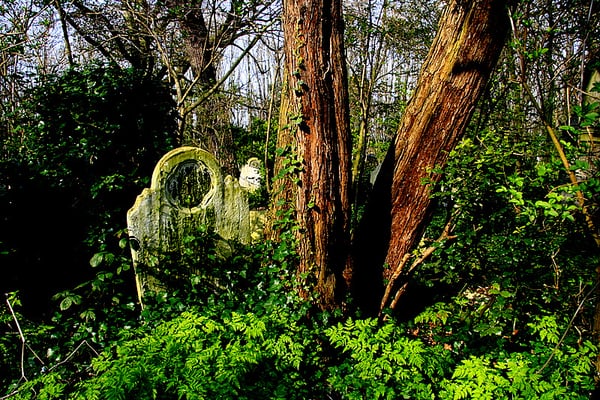
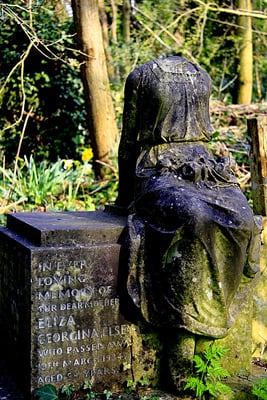
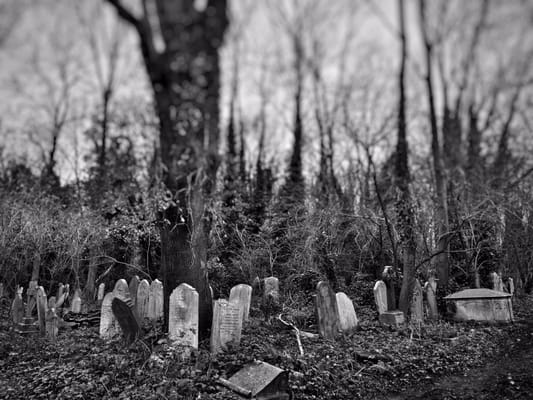
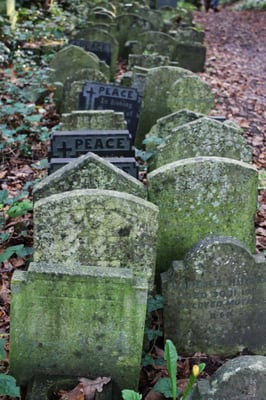
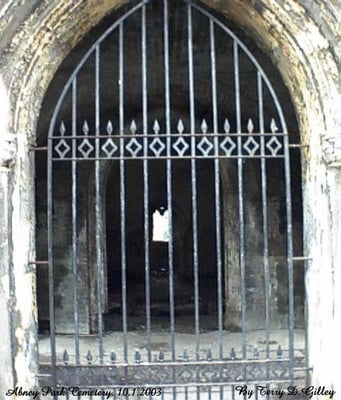
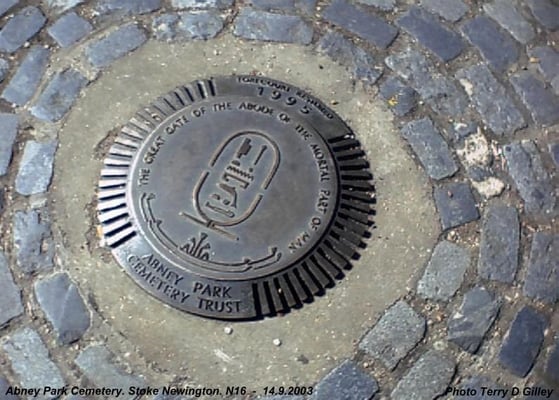
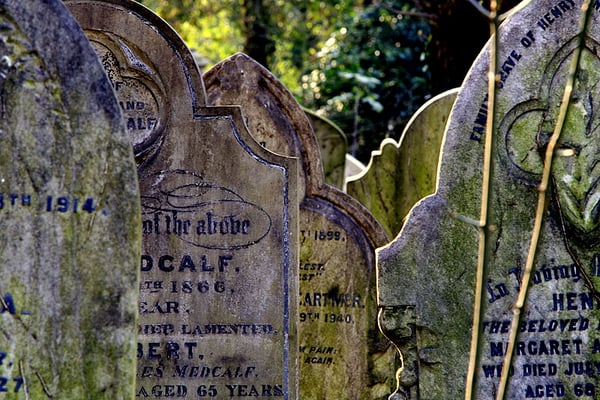
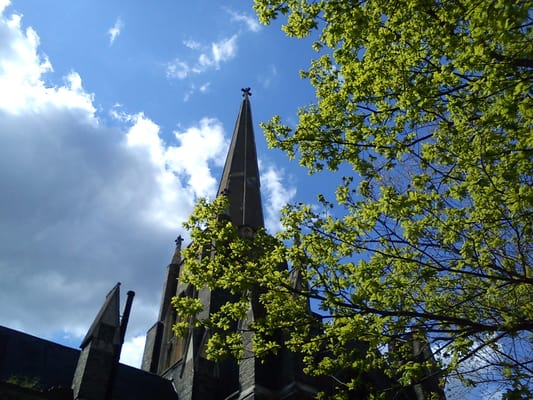
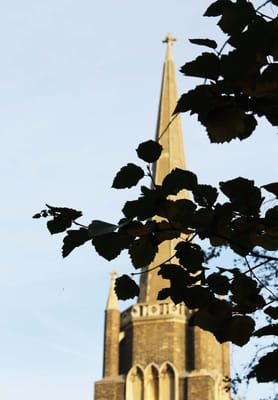
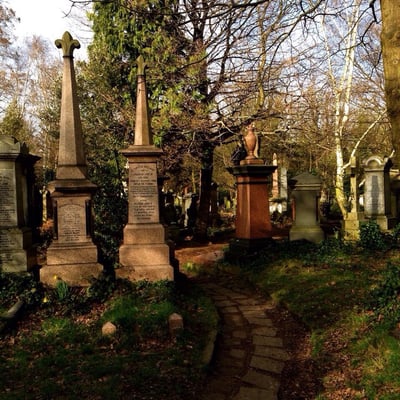
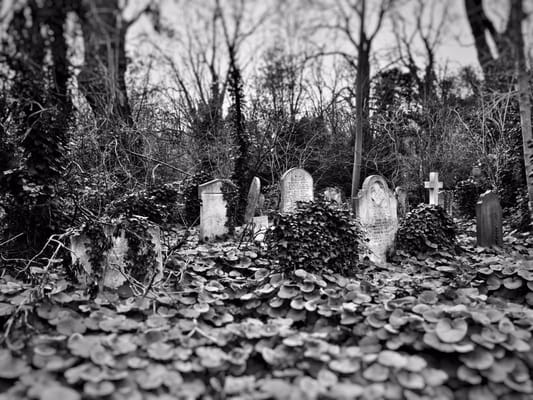
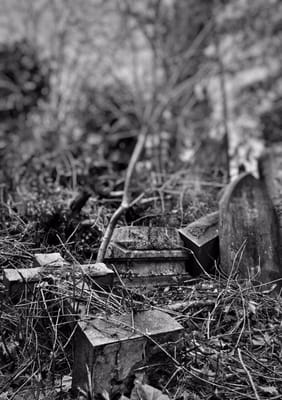
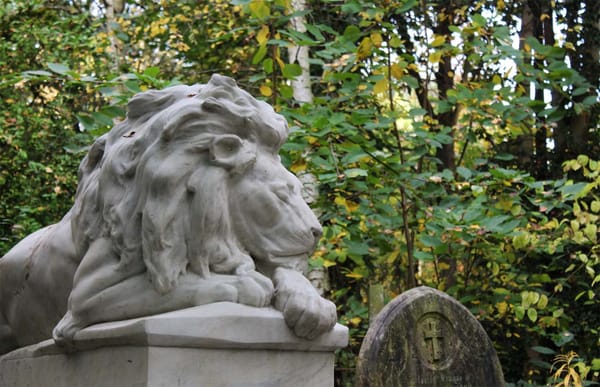
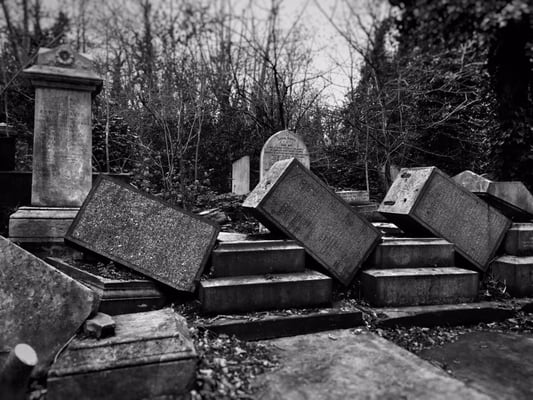
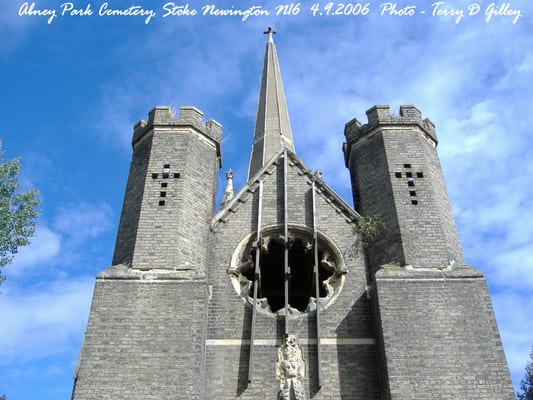
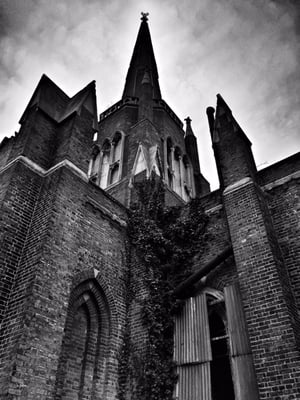
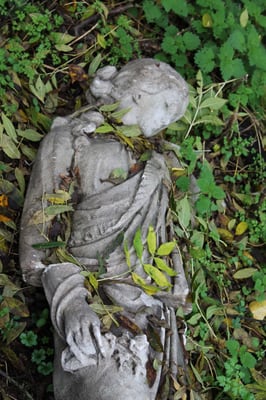
"Although it is now somewhat overgrown, the original free-thinkers behind Abney Park Cemetery’s unusual design would likely actually be pleased to see their vision of a tree-filled parkland fulfilled. Abney Park was built on 32 acres as one of London’s “Magnificent Seven” Victorian-era park-cemeteries. More park than cemetery, Abney Park Cemetery began as an experiment in mixing the natural delights of an arboretum with a non-denominational burial ground. Specimen trees with names covering all the letters of the alphabet were planted in an informal layout, mixed with shrubs and flowering bushes. Burials were placed between plantings, with no divisions between members of different faiths. Comprised of Kensal Green, Highgate, West Norwood, Abney Park, Nunhead, Brompton and Tower Hamlets cemeteries, the Magnificent Seven were created in 1832 as part of an effort to move burials out of the City of London in response to the twin pressures of health concerns about overcrowded churchyard cemeteries and desires for buildable land in the rapidly expanding city. The design drew inspiration from the recently established Mount Auburn Cemetery near Boston, looking for ways both to mix a natural setting with design and symbolism that would promote its origins in the non-conformist movement. Its controversial Egyptian Revival gates provoked some disapproval, setting Abney Park’s style as distinctly different and more eclectic than the traditional NeoClassical or Gothic inspiration from which the other park cemeteries of the era were drawn. True to its original designers’ dreams, Abney Park has evolved into an urban woodland, home to mature trees and diverse fauna and flora. Closed to all but very rare burials, the property is now a Local Nature Reserve and Conservation Area, managed by the Abney Park Trust." - ATLAS_OBSCURA
Lorne I.
Dario F.
Raj K.
ThS
Caïna V.
Lilexx L.
Faye C.
Mary

Katya L.

Clarissa S.

Caroline L.

Ashley V.

Katy I.

Kirsty H.

Katey H.

Prudence I.

Minh C.

Sandra G.

Larissa R.

Lizzie S.

Robert w.

Minxie G.

Qype User (.

Qype User (.

Natalie R.
Qype User (.
Carl B.

Hana V.

Qype User (.

Simon M.
Qype User (.
Qype User (.
Qype User (.
Angel B.

Qype User (.
Qype User (.
