Christopher C.
Yelp
While I can't speak for you, I know that after enough time at the beach I get a bit stir crazy and like to explore things that are not beach related. If this sounds like you then coming to Alligator River will definitely scratch that itch.
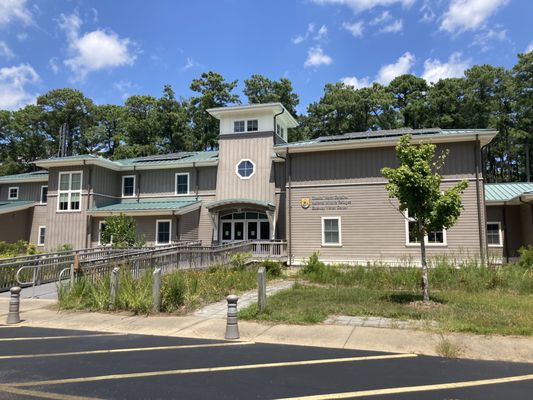
If you're anywhere in the OBX area it's very easy to get here. Just take 64 west and cross over Manteo Island and you're here. While there is a visitors center on Manteo Island, we chose to do things the more adventurous way and wing it. If you are hardcore about needing a map and directions then by all means stop by the visitors center or they do have a random map box located at the start of the Murphy Peterson Wildlife Drive by the maintenance shops on Milltail Road. In this area cell service is at spotty and the main map they have on their website bears little resemblance to the network of roads that actually exists here.
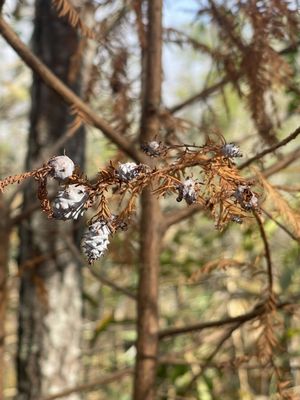
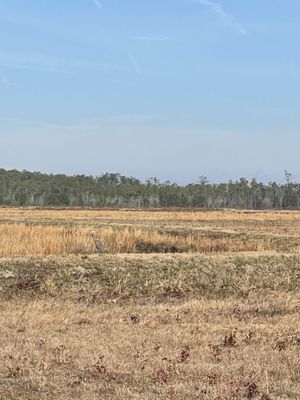
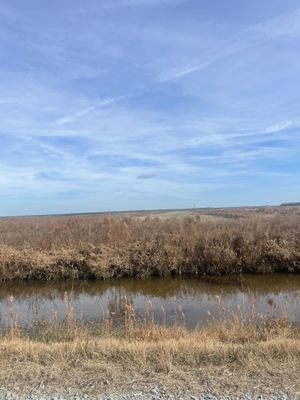
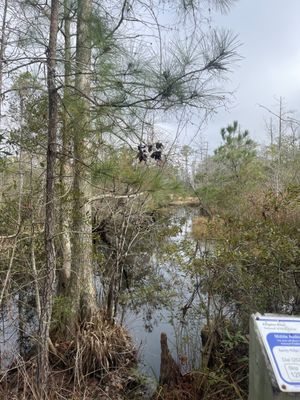
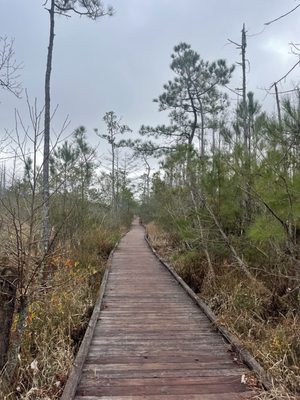
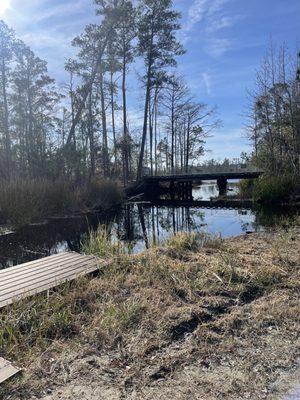
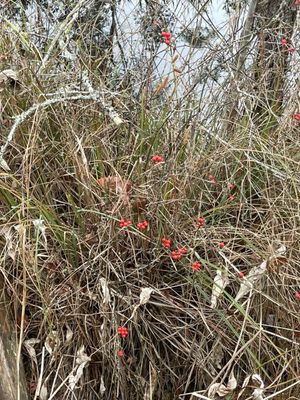
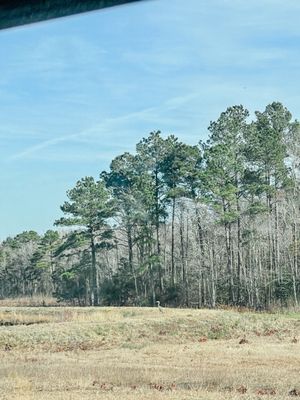
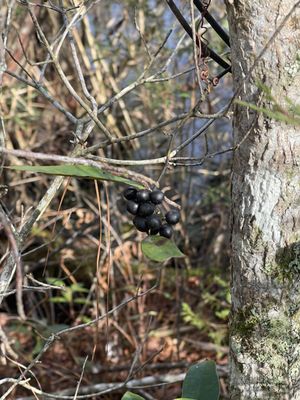
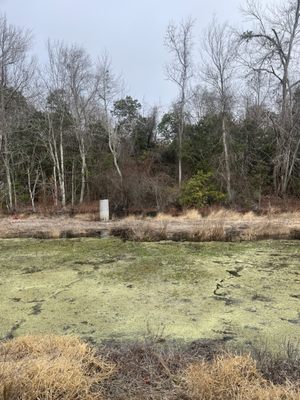
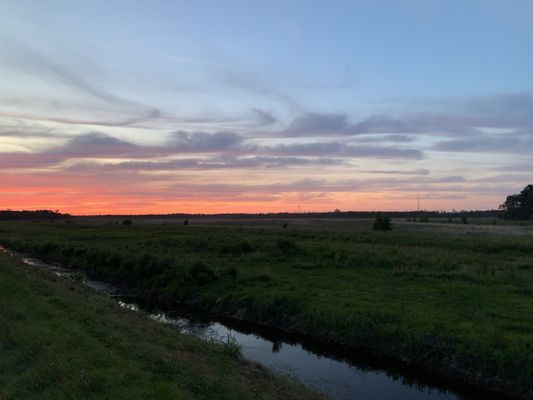
Also note that the refuge is large. According to the website it encompasses over 150,000 acres which equates to an area that's 28 miles tall by 15 miles wide. The area is mostly dense forests and swampy bogs but it also is adjacent to a lot of commercial farming operations. Bizarre.
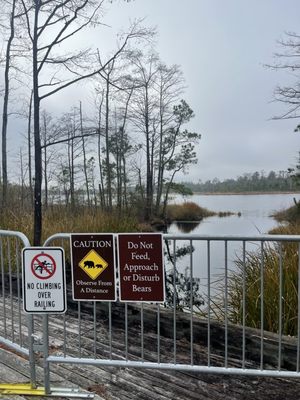
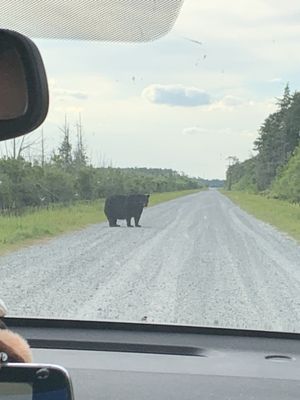
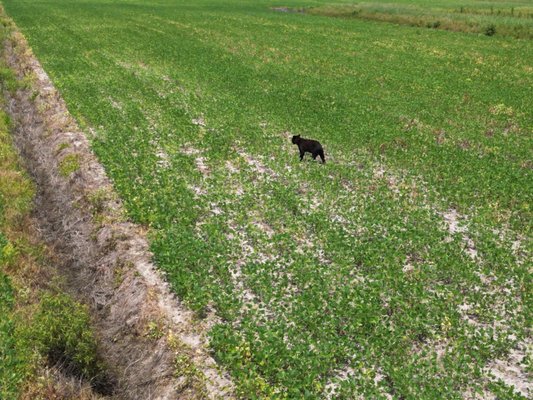
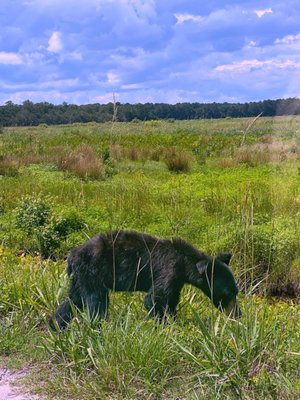
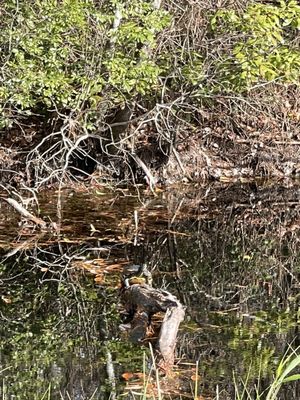
We were lucky in that we saw a bear and a gator within ten minutes of being on the property. The bear likely would have stayed around a bit more but it looked like a juvenile and some asshat in a nearby car (not this asshat) got way too close which scared it into the woods. The gator on the other hand was very interested in our presence and slowly was moving in our general direction until we moved on.
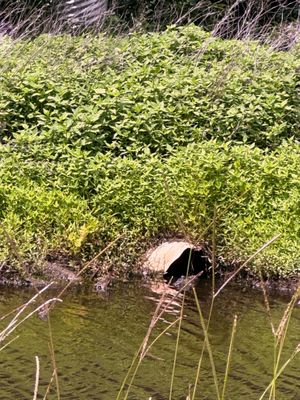
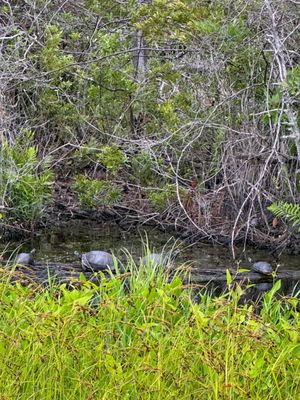
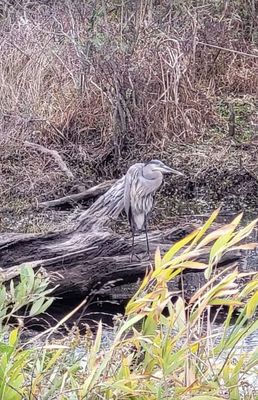
We drove most of the fifteen miles of the wildlife trail and didn't see much after that initial score except for tons of turtles and a fair amount of birds. Part of that could have been due to the heat of the early afternoon in mid-June and part of that I'm sure was due to the few other drivers who were mostly ripping down the stone roads at 30+ mph.
From their website:
"Alligator River Refuge was established in 1984 to preserve and protect a unique wetland habitat type - the pocosin - and its associated wildlife species. The diversity of habitat types include high and low pocosin, bogs, fresh and brackish water marshes, hardwood swamps, and Atlantic white cedar swamps. Considered among the last remaining strongholds for black bear in eastern North Carolina and on the mid-Atlantic Coast, the Refuge also provides valuable habitat for concentrations of ducks, geese, and swans; wading birds, shorebirds, American woodcock, raptors, American alligators, white-tailed deer, raccoons, rabbits, quail, river otters, red-cockaded woodpeckers, and migrating songbirds. It serves as the core area for re-establishing the red wolf back into the wild.
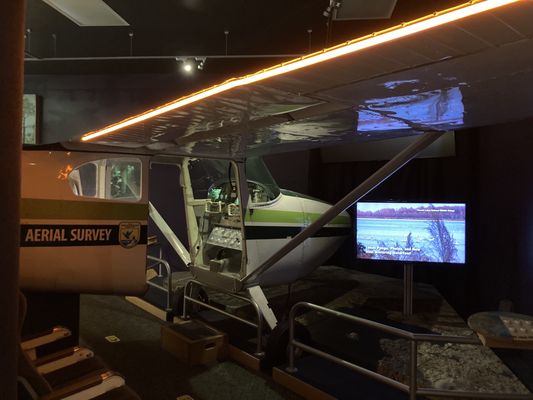
To learn more about Alligator National Wildlife Refuge, visit the National Wildlife Refuges Gateway Visitor Center on Roanoke Island. The visitor center offers numerous hands-on and interactive exhibits on Alligator River National Wildlife Refuge plus 10 other regional refuges and one National Fish Hatchery. The Visitor Center is on the north end of Roanoke Island, about a quarter-mile from the entrance to Fort Raleigh National Historic Site. It's open from 9 a.m. to 4 p.m. daily, and admission is free."
I wouldn't call Alligator River a must do but it is a neat diversion that no doubt only a minute number of tourists ever hear about let alone visit.
www.fws.gov/refuge/alligator_river/ (lots of events in season)
www.fws.gov/refuge/Alligator_River/map.html (shitty map)
www.fws.gov/southeast/pdf/tearsheet/alligator-river-national-wildlife-refuge.pdf (the map you need to use)
thedyrt.com/magazine/local/alligator-river-national-wildlife-refuge/ (good article on the refuge)