Apostle Islands National Lakeshore
National reserve · Ashland County ·
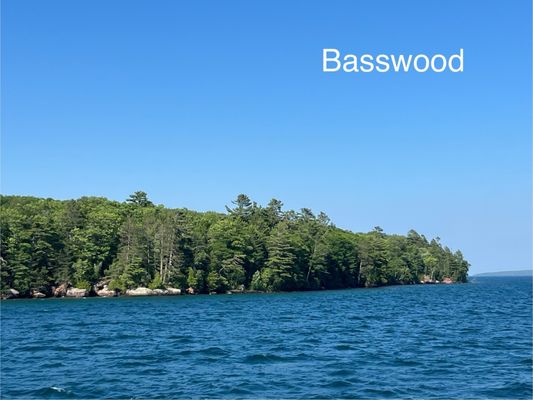
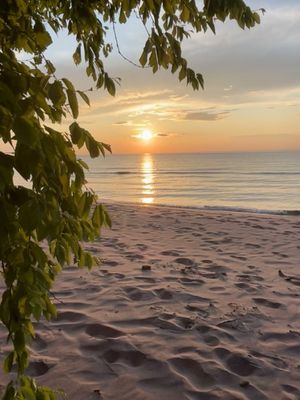
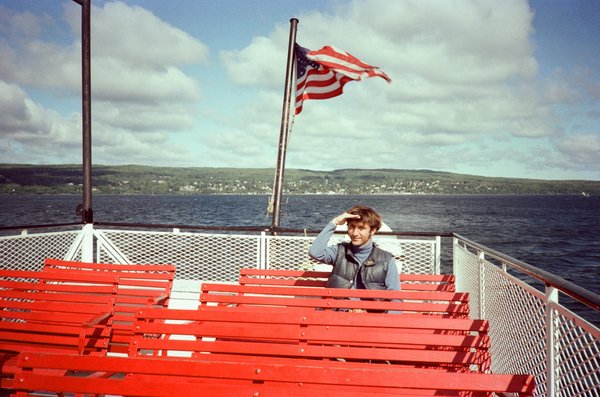
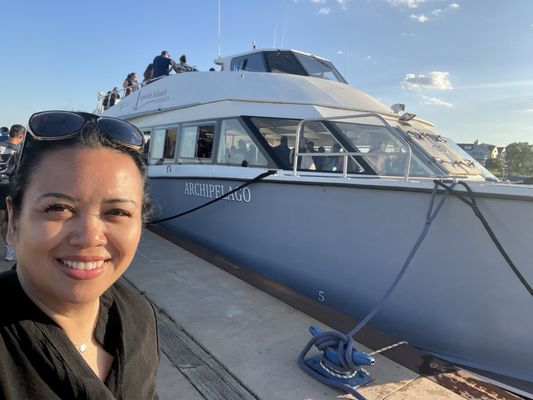
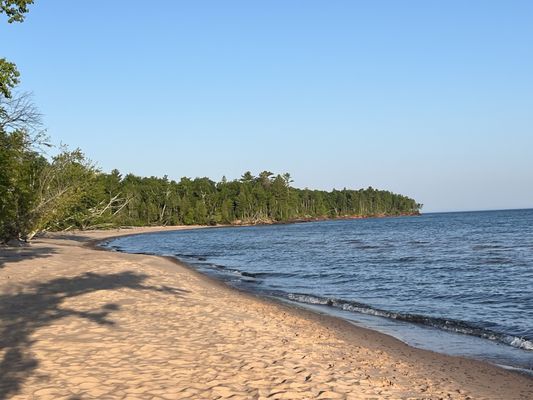
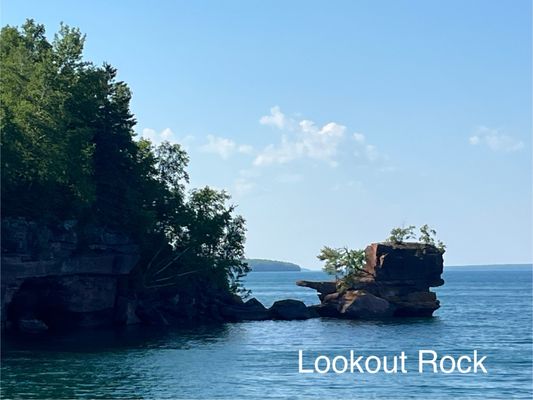
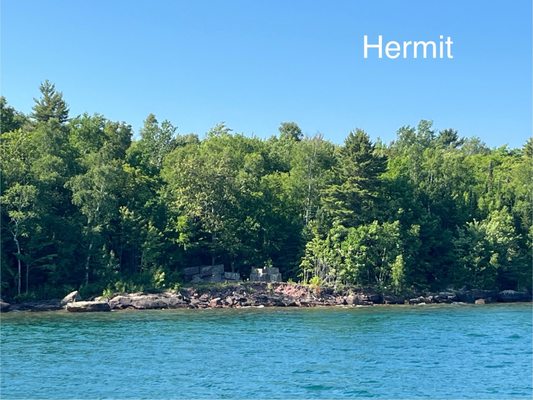
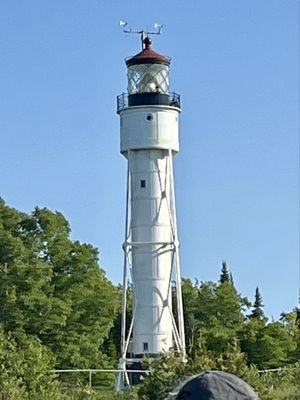
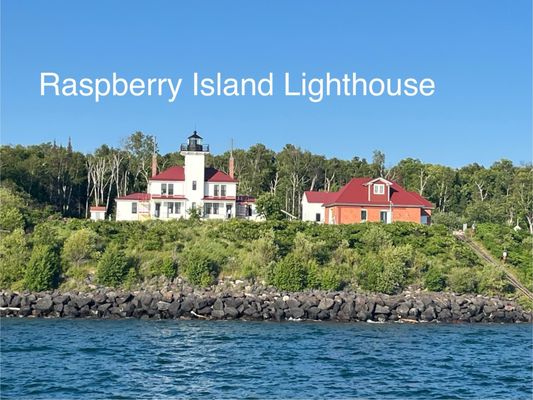
Explore 21 islands, sandstone caves, lighthouses, and hiking.











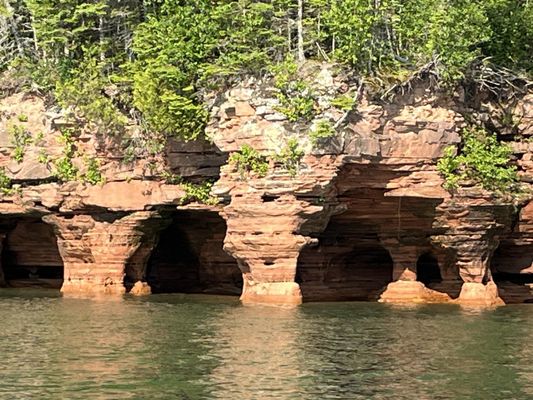




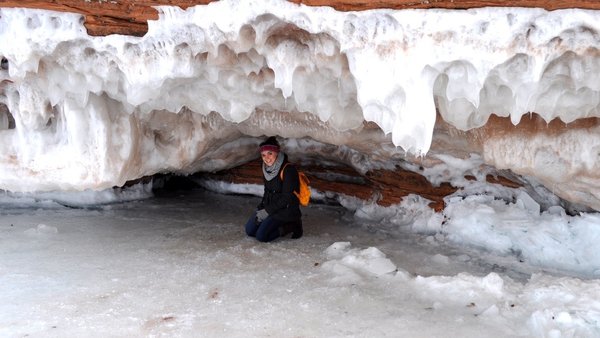
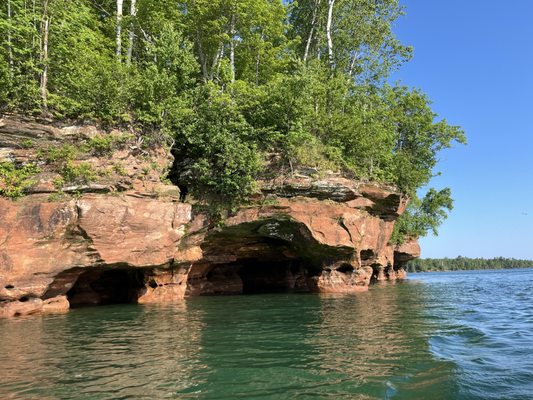


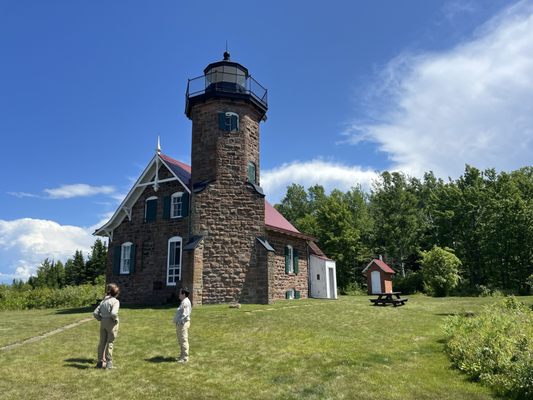


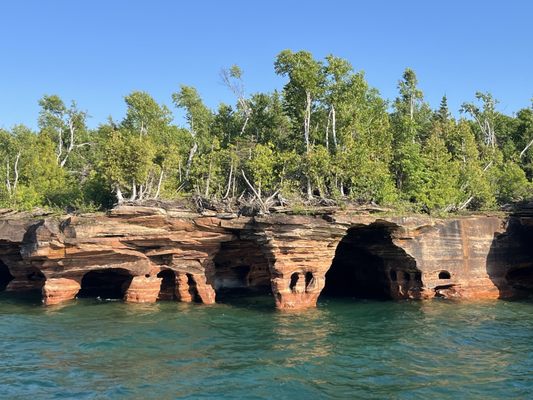
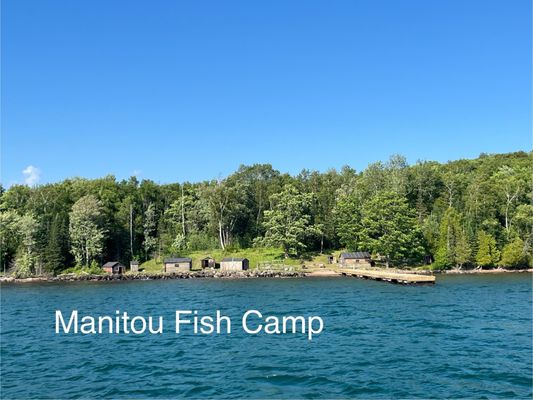
Explore 21 islands, sandstone caves, lighthouses, and hiking.
"Included along a Great Lakes path itinerary, this national lakeshore is presented as one of multiple lakeside attractions on an EV-friendly route that emphasizes accessible, pet- and family-oriented stays and charging access for drivers touring the region." - Stacey Leasca Stacey Leasca Stacey Leasca is an award-winning journalist and co-founder of Be a Travel Writer, an online course for the next generation of travel journalists. Her photos, videos, and words have appeared in print or online for Travel + Leisure, Time, Los Angeles Times, Glamour, and many more. You'll usually find her in an airport. If you do see her there, please say hello. Travel + Leisure Editorial Guidelines
"I learned that the Apostle Islands consist of 21 islands with beach camping available on 18 and backcountry camping on 15 islands for those seeking solitude. Individual campsites are $15 per night with reservations up to 30 days in advance, but overnight camping on the lakeshore is currently suspended — check the National Park Service website for updates." - Andrea Romano Andrea Romano Andrea Romano is a writer and editor in New York City. For the last eight years, she has been a lifestyle journalist for Mashable, Brit+Co, Reviewed, Bustle, and Travel + Leisure. Travel + Leisure Editorial Guidelines
Steph W.
Frederick Bradbury V
Jackie T.
Katie B.
Mike M.
Liz W.
Deanna L.
Heather P.

Lauren H.

Valerie B.

Carol H.

Vee V.

Xia Y.

Daniel K.

Tim C.

Ari W.

Kylie S.

Tom B.

Phillip Y.

Heather F.

Daniel E.

Mira S.

Virginia L.

Lorraine N.

Jedd J.
Samantha L.
Yoko Y.

Janelle M.

Raul I.

Karen B.

Katy G.

Jeff K.
Bob F.

Barbara A.

Dwain C.
Kiki S.

Jackie L.

Emily S.
Ju L.

Peter D.
sandy s.
Brandon S.
M S.
