Arizona Sake, not a liquor store
Sake brewery · Holbrook ·
Award-winning sake brewery using local ingredients, unique flavors















Award-winning sake brewery using local ingredients, unique flavors
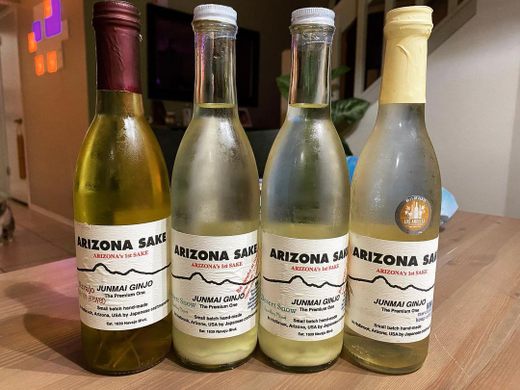
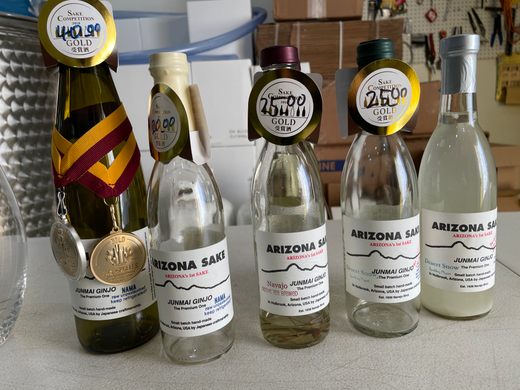
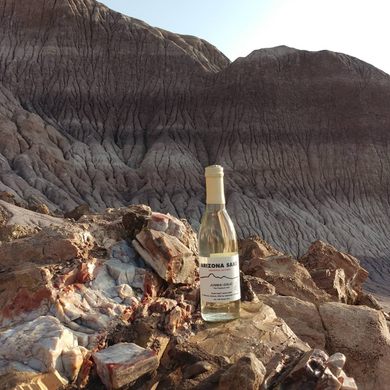
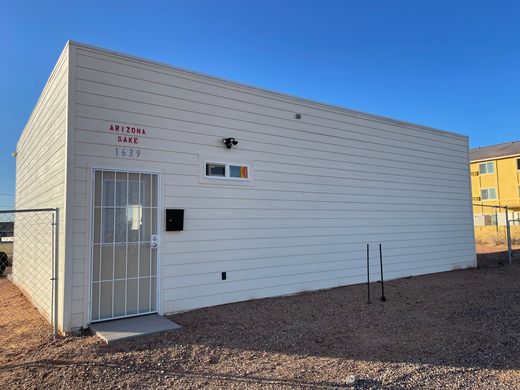
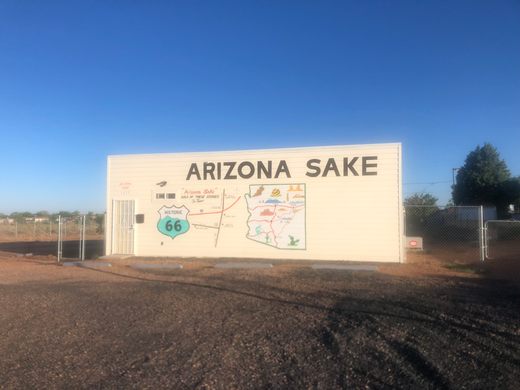
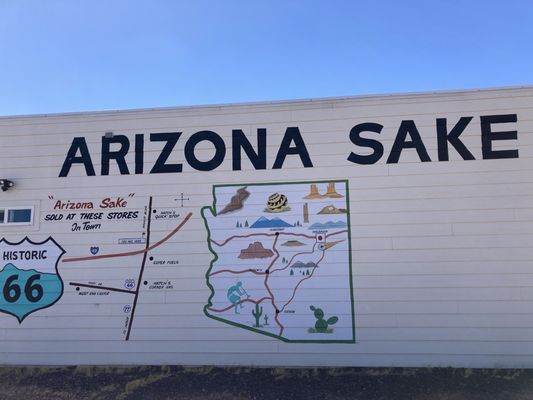
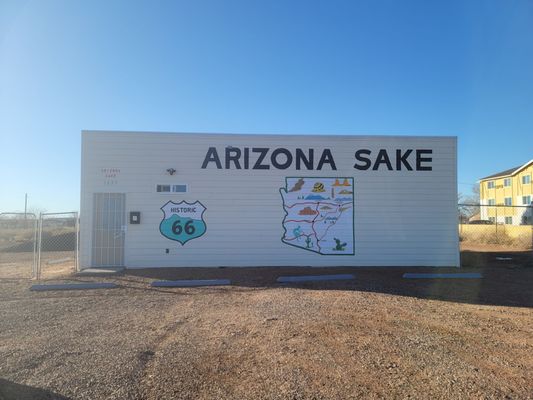
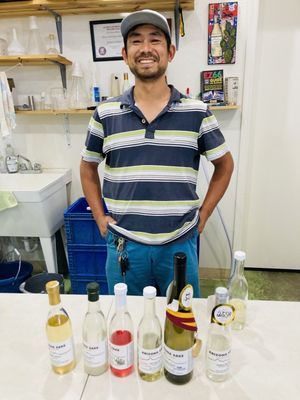
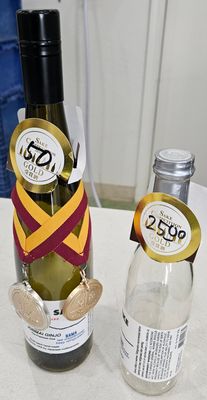
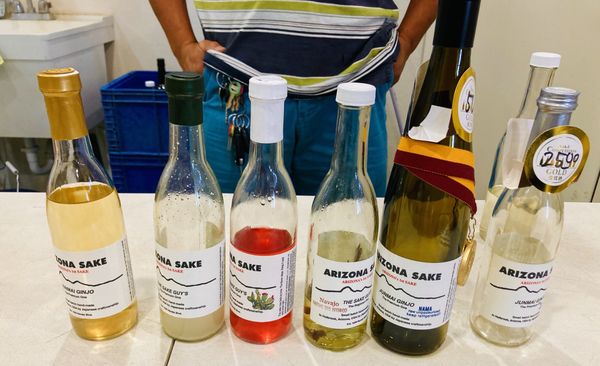
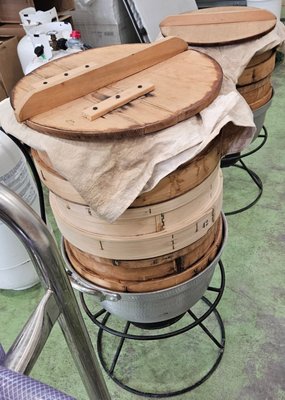
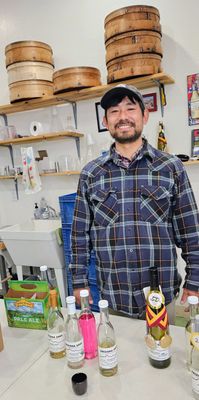
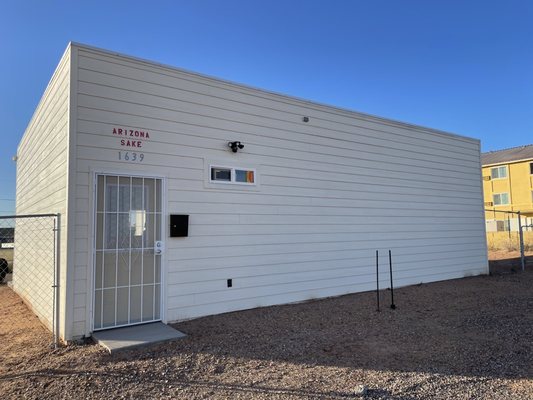
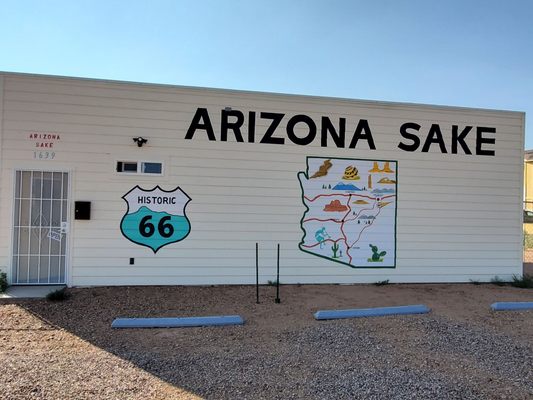
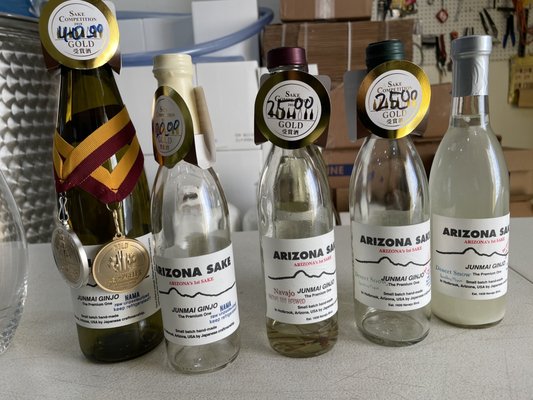
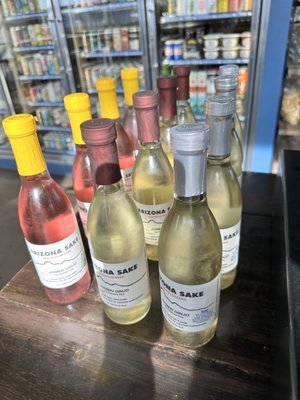
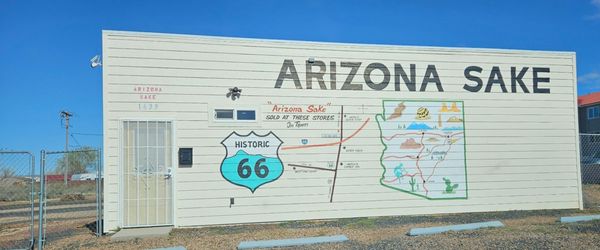
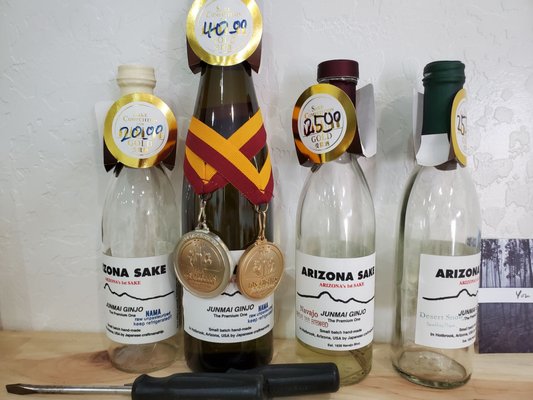
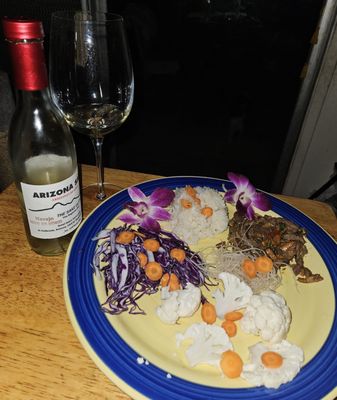
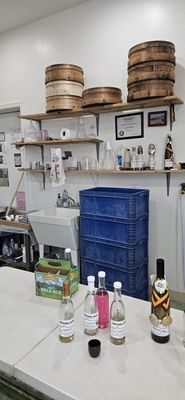
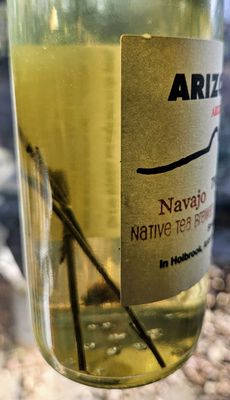
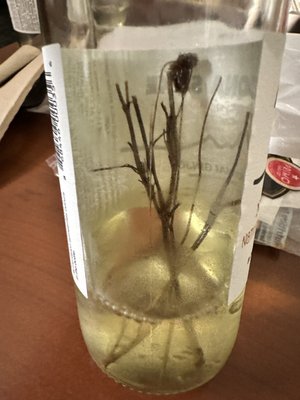
"Holbrook, Arizona, is about the last place you’d expect to find world-class sake. With a current population of about 5,000, Holbrook’s heyday was during the Wild West days of the late 1800s, complete with cowboys, bandits, a notorious sheriff, and shootouts. Today it’s a place to stop for gas en route to Petrified Forest National Park and pick up Route 66 souvenirs. It’s also home to a brewery producing excellent sake. Founder Atsuo Sakurai, a native of Yokohama, Japan, moved to Holbrook in 2015 to be closer to the family of his wife, Heather, who is Navajo and from the town. Soon after, he started brewing sake in his garage. Three years later, Arizona Sake won the gold medal for the best sake made outside of Japan in the Tokyo Sake Competition. The following year, it was named best of class at the 2019 Los Angeles International Wine Competition. In Japan, Sakurai had worked for more than a decade to earn the title of Certified First-Grade Sake Brewer. But because of strict regulations, he had to work for established sake producers. Moving to Holbrook allowed him to make his own sake and established him as the only First-Grade Sake Brewer in the United States. In 2019, Sakurai freed up room for his wife to park in the garage and opened his Sake House in a 1,000-square-foot bunker-style building on a dusty acre between a Super 8 Motel and Dollar General store. This is where he handcrafts every batch of his sake and prepares it for delivery to stores, restaurants, and individuals in Arizona, New York, Hawaii, and California. In addition to his original unpasteurized junmai ginjo, he has added a pasteurized version, a sparkling sake called Desert Snow, and, at the urging of his father-in-law, sake subtly infused with sprigs of Navajo Tea." - ATLAS_OBSCURA
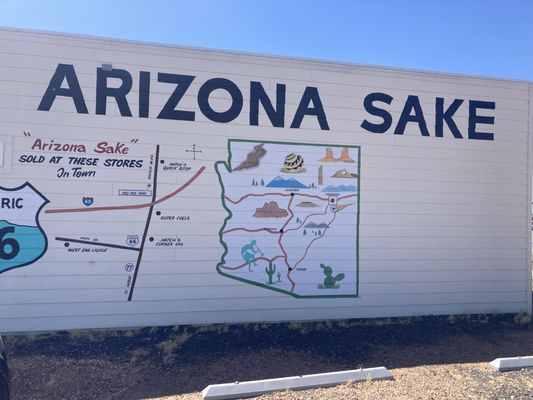
"Holbrook, Arizona, is about the last place you’d expect to find world-class sake. With a current population of about 5,000, Holbrook’s heyday was during the Wild West days of the late 1800s, complete with cowboys, bandits, a notorious sheriff, and shootouts. Today it’s a place to stop for gas en route to Petrified Forest National Park and pick up Route 66 souvenirs. It’s also home to a brewery producing excellent sake. Founder Atsuo Sakurai, a native of Yokohama, Japan, moved to Holbrook in 2015 to be closer to the family of his wife, Heather, who is Navajo and from the town. Soon after, he started brewing sake in his garage. Three years later, Arizona Sake won the gold medal for the best sake made outside of Japan in the Tokyo Sake Competition. The following year, it was named best of class at the 2019 Los Angeles International Wine Competition. In Japan, Sakurai had worked for more than a decade to earn the title of Certified First-Grade Sake Brewer. But because of strict regulations, he had to work for established sake producers. Moving to Holbrook allowed him to make his own sake and established him as the only First-Grade Sake Brewer in the United States. In 2019, Sakurai freed up room for his wife to park in the garage and opened his Sake House in a 1,000-square-foot bunker-style building on a dusty acre between a Super 8 Motel and Dollar General store. This is where he handcrafts every batch of his sake and prepares it for delivery to stores, restaurants, and individuals in Arizona, New York, Hawaii, and California. In addition to his original unpasteurized junmai ginjo, he has added a pasteurized version, a sparkling sake called Desert Snow, and, at the urging of his father-in-law, sake subtly infused with sprigs of Navajo Tea. Know Before You Go Arizona Sake is open for tastings and short tours by appointment only. You can email arizonasake@gmail.com, or give Sakurai a call at 928-214-8594, to set one up. If you're in town and he's traveling, or if you can't visit in person, the Arizona Sake website lists locations in Holbrook and nearby that sell Arizona Sake." - hetmzr101, CoriB89, Abbie Gripman, brendonstinson
Ryan S.
Jeff L.
BC L.
ben C.
S Y
Anjul
Nick S.
Karen L

Gary I.

Genevieve M.

Veronica M.

Lety C.

GLENN F.

Deanie R.

Cori B.

Jay K.
Mark P.

Karen L.

Pegah F.

Mimi M.
Ross R.
Terra B.

Noelle T.
