Jay Y.
Yelp
Perhaps this basilica is a fine example that not those in power cannot stay in power forever.
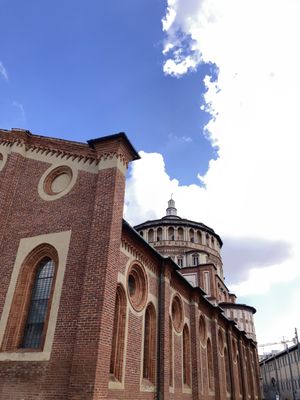
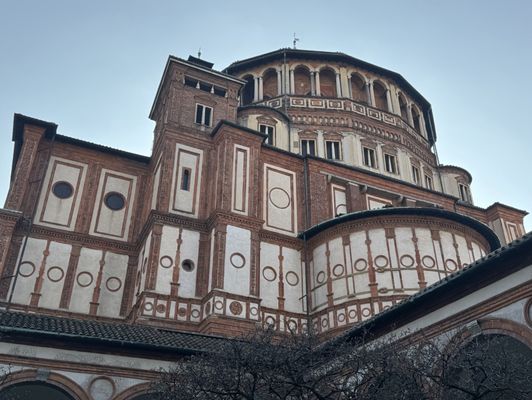
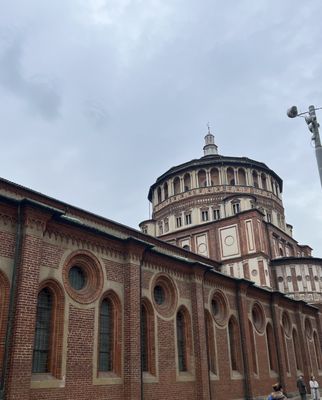
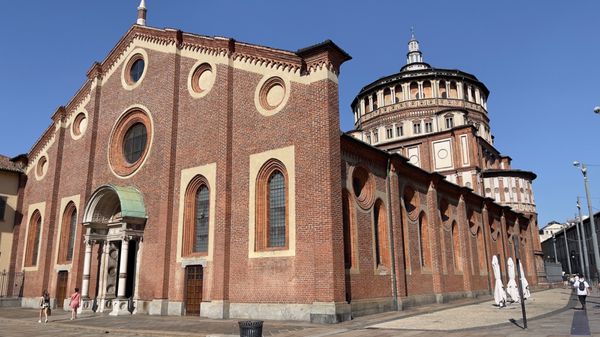
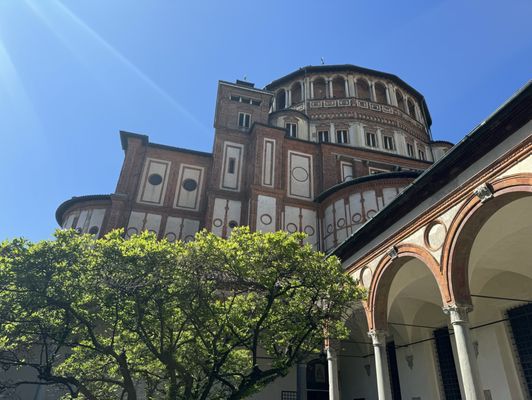
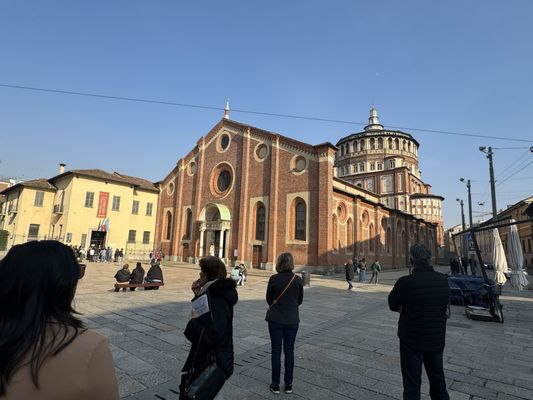
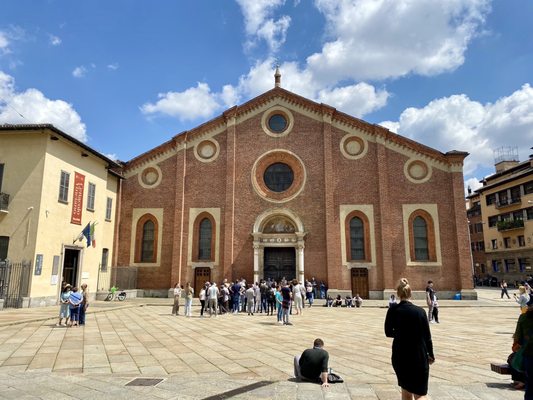
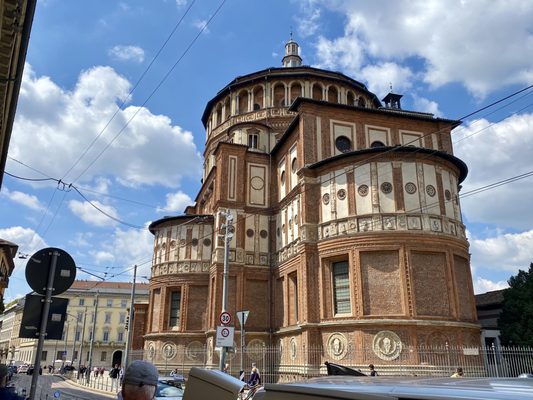
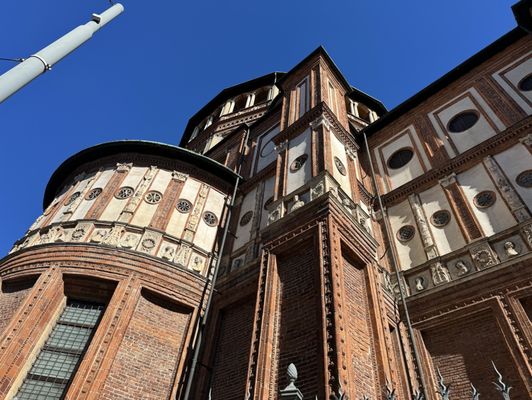
Santa Maria delle Grazie was intended to the family chapel for the Sforza family, who used to rule Milano and the surrounding Lombardy region. In the words of the Sforza family head, this church was planned to be more spectacular than even the grand Duomo! To best showcase their power, the Sforza family gave a hefty budget to decorate the basilica by hiring the best of the best in Italy, including Renaissance giants Titian and Leonardo da Vinci.
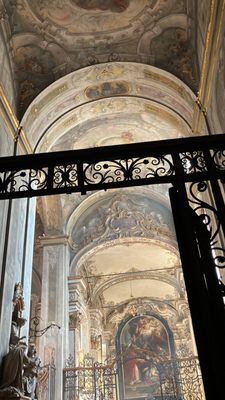
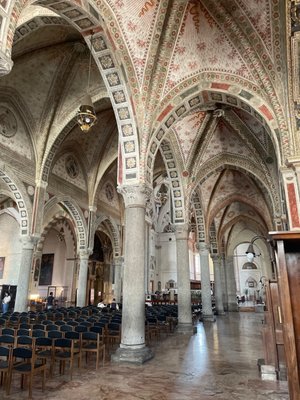
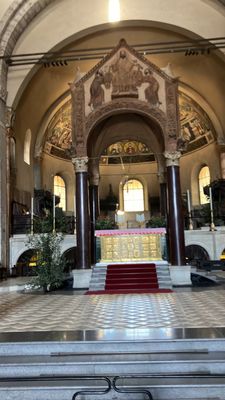
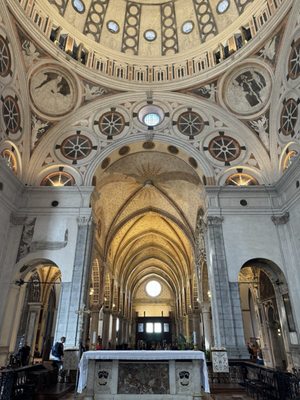
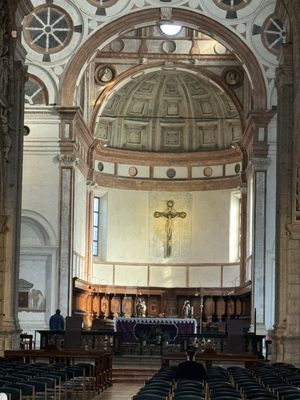
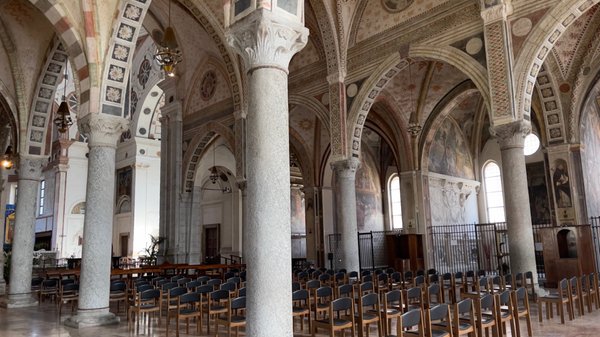
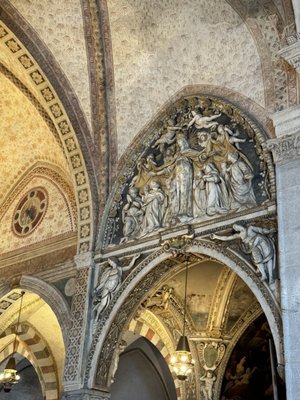
Sadly the church interior was not complete before the Sforza family fell out of power, which also ended the financing. The few pieces that were completed were either left badly deteriorated or pillaged (For example, a Titian piece was moved by Napoleon to the Louvre). Today, the basilica interior is full of sketches of fresco to be like a spectacular artwork frozen in mid-stage eternally...
Nonetheless, Santa Maria delle Grazie is worth stepping into, and the sketches on the wall are an interesting freeze-frame to see what grand fresco like Sistine Chapel were before the colors were applied. Although it's sad to see that the art inside SM delle Grazie was never realized, the incomplete interior nonetheless gives you a different perspective to appreciate.
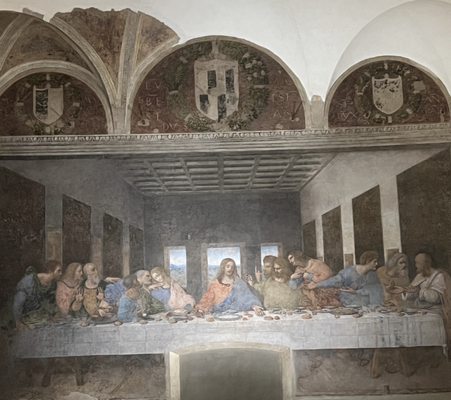
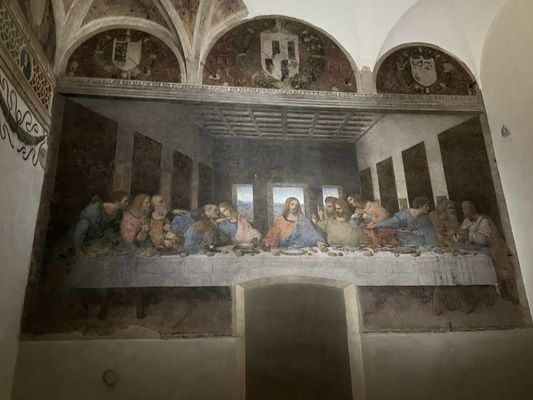
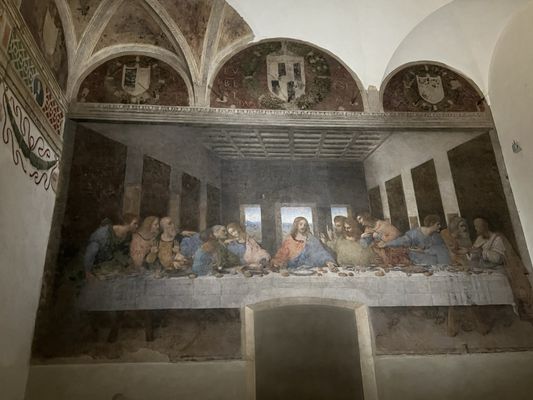
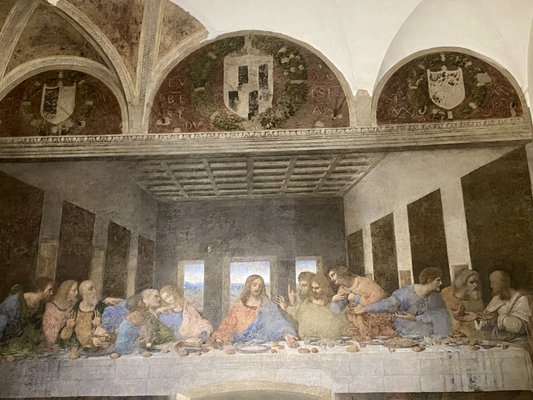
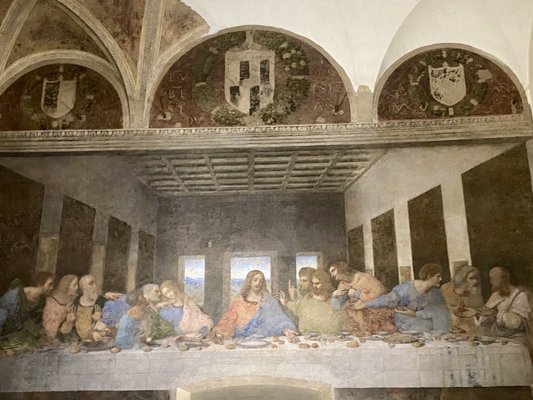
By the way, this is also where Leonardo da Vinci's "Last Supper" is at! The painting was on a wall of this church's dining room but now it's a separate museum.
---
HOW TO SEE THE LAST SUPPER
The famous "Last Supper" is now a part of the "Cenacolo" museum, which is administrated separately from the church. You don't need to reserve, but your chance of seeing it without reserving is minuscule. Because of the Last Supper's poor condition, the Cenacolo has a tight entrance quota (15 people every 15 minutes), so this may be the toughest public painting to see, especially if you go in a group larger than 2.
Reservation is the cheapest (€15 total) through its official website on Vivaticket, but good luck - I tried to reserve in the midweek of February (low season in Milan) as soon as the reservation window opened at midnight, and all the slots were brought already! Many tour operators knew how popular the painting is, so they would buy off all the slots and scalp them for prices as high as €50 for the same service.
If you failed to book it through the official website, you can check the official website constantly because as the date becomes closer, more slots will available! However, you have to keep your time and even date flexible. Otherwise, you will have to buy the overpriced tour operator ticket.
Another way is to show up at the museum entrance before 8:30 AM on the day you wish to go, because you may secure a last-minute cancellation. As you reach peak season though, the chance is less likely.
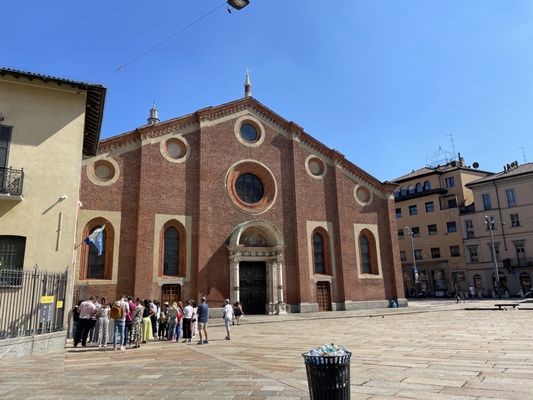
The entrance to the Cenacolo is at the left when you face the basilica facade.
---
tl;dr version:
1) Home of the Last Supper, though a separate museum
2) A church meant to be grand but was never completed
3) Worth seeing for a different perspective of art