Basilica San Silvestro in Capite
Catholic church · Colonna ·
Claims St. John the Baptist's head; features frescoes

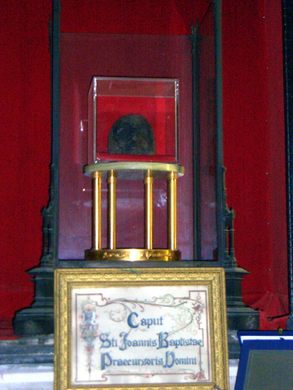
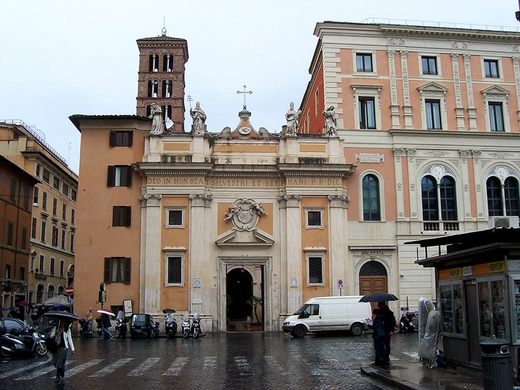
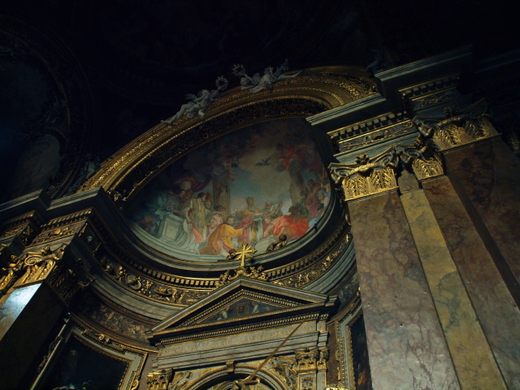
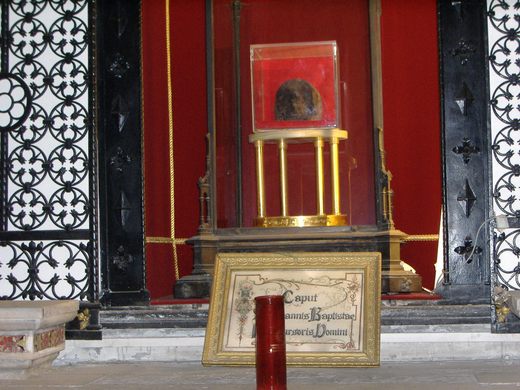


Claims St. John the Baptist's head; features frescoes
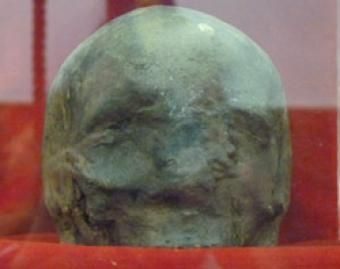
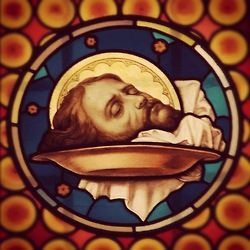
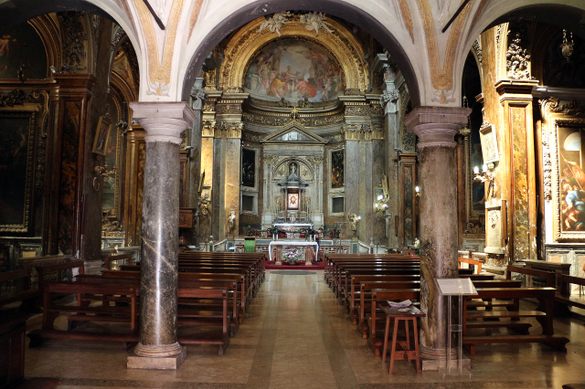
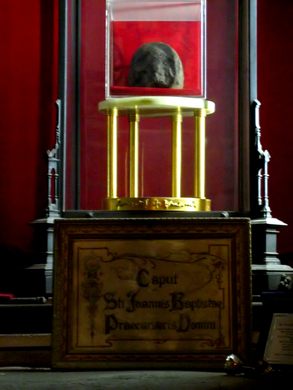
"Along with churches in France, Syria, and Germany, this Roman church claims to have the decapitated head of St. John the Baptist. Tradition holds that John was executed in the prison of the fortress of Machaerus. It is said that Herodias, wife of King Herod Antipas, played a role in John the Baptist’s execution. She also feared that if his body and his head were buried together he might come back to life, and prompted her daughter to ask the king for the prophet’s head on a platter. Though most agree that John’s disciples brought his body to the village of Sebastia, accounts of what happened to his head differ greatly. Some say that Herodias had the head buried in the fortress where John was beheaded, while others claim she hid it within Herod’s palace at Jerusalem. There are accounts that it was discovered during the reign of Constantine, or that it was found during the Crusades and brought back to Europe. Islamic tradition maintains that the head is in Damascus, interred in a building that was once the Basilica of St. John the Baptist and is now the Umayyad Mosque. Churches in Germany and Jerusalem also claim to have fragments of the skull. According to Roman Catholic tradition, San Silvestro in Capite (Basilica of St. Sylvester the First) in Rome is home to the true relic, which can be viewed in the first chapel to the left of the entrance. It is not a full skull, just the top part of one, which has been set into a wax skull. Another piece of St. John’s skull is on display at the Cathedral of Amiens in northern France, which comprises the front part of a head from the forehead down to the upper jaw. The church was built to house relics from the catacombs. These are not normally on display. Instead they’re housed in the confessio under the altar and listed near the front door of the church. Don’t miss the stained glass in this room depicting St. John’s head on a plate." - ATLAS_OBSCURA
EK
Misiu M.
James D.
Luke C.
Raimond
HERM P.
Art B.
Elizabeth C.
