Bridge of No Return
Historical landmark · Paju ·
Historic bridge site of POW exchanges; DMZ landmark



Information
471-1 Josan-ri, Gunnae-myeon, Paju-si, Gyeonggi-do, South Korea Get directions
Historic bridge site of POW exchanges; DMZ landmark
471-1 Josan-ri, Gunnae-myeon, Paju-si, Gyeonggi-do, South Korea Get directions

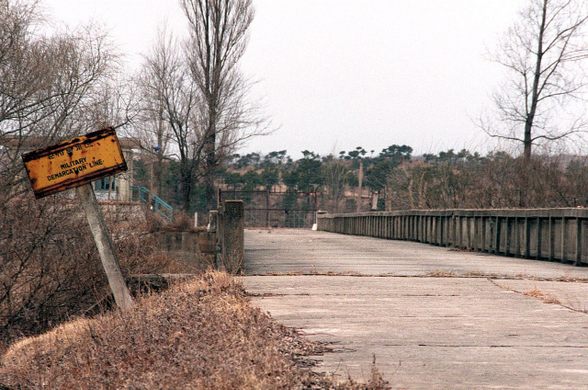
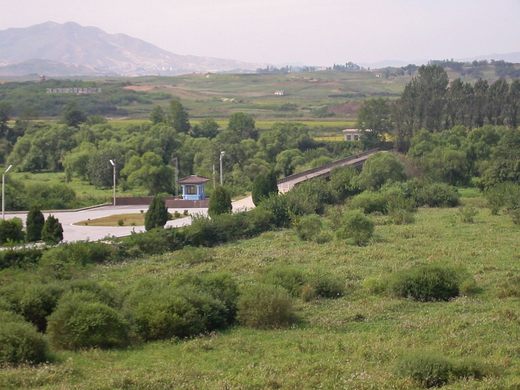
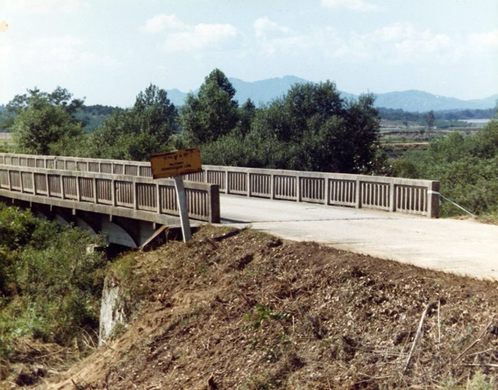
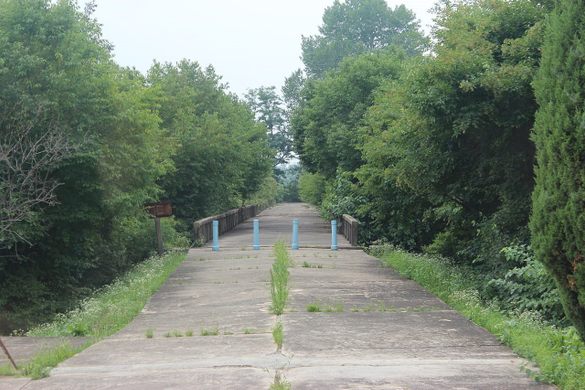
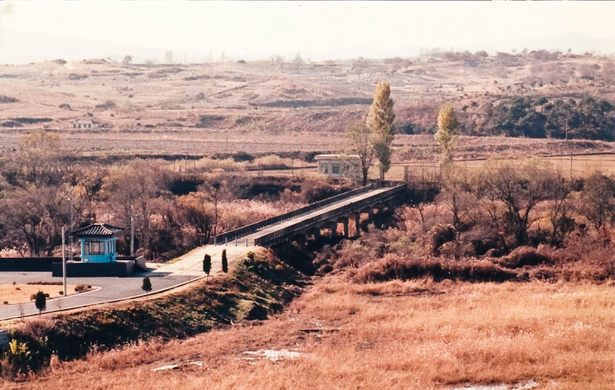
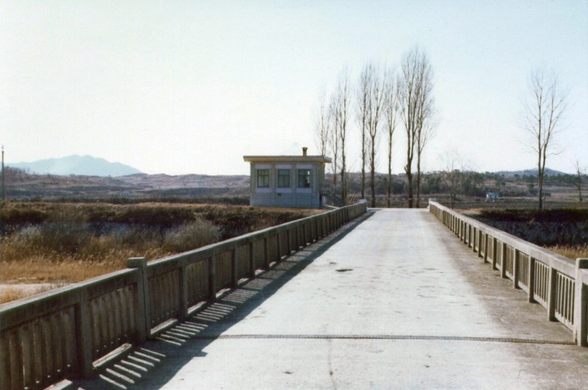
"Between 1953 and 1976, the Bridge of No Return was the scene of tense prisoner exchanges and highly charged incidents between North Korea and South Korea. The bridge crosses the Military Demarcation Line, separating the two sides of the DMZ, the Korean Demilitarized Zone. Starting at the end of the Korean War in 1953, prisoner exchanges were made across this bridge. Its name comes from the ultimatum given to prisoners of war before they crossed: They could stay in the country where they were formerly held captive or they could return to their homeland, but once they stepped over the line, there was no going back. The first major prison exchange, known as Operation Little Switch, took place in April 1953. The United Nations Command (UNC) exchanged 6,030 North Korean prisoners for 605 UNC prisoners, most of whom were sick or wounded. The fraught exchange was a success, and soon led to the start of Operation Big Switch. From August to December that year, 70,183 North Koreans and 5,640 Chinese POWs were exchanged for 12,773 UNC POWs from various nations, including 7,862 South Koreans, 3,597 Americans, and 945 British. Much to the bewilderment of the UN, 23 Americans and one Briton declined repatriation. The next major incident came in 1968 following the capture of the USS Pueblo by DPRK naval forces in international waters off North Korea. The captain and crew were held for 11 months. They were finally released and allowed to walk across the bridge, but only while a forced confession from the captain was blasted out over loudspeakers. It was the last prisoner exchange across the Bridge of No Return. Tensions again peaked, this time with fatal consequences, in August 1976. Two United States Army officers went out to trim a poplar tree in the Joint Security Area, which was obscuring the view between checkpoints near the bridge. When the U.S. soldiers went out to trim it, they were set upon and killed by axe-wielding North Korean soldiers, in what is now known as the Korean axe murder incident. The North Koreans built a new bridge following this incident, and the Bridge of No Return was never used again, at least not for prisoner exchanges. But it did still hit the headlines occasionally. In 1993, President Bill Clinton walked part of the way over the bridge, to within 10 feet of the demarcation line. He was naturally heavily guarded by a Secret Service escort, and carefully watched by AK-47-carrying North Korean soldiers on the other side. More recently, in August, 2016, the United Nations Command accused the North Korean army of planting land mines near the northern end of the landmark bridge. It was the first time North Korea had been seen planting mines near the bridge since the armistice of 1953. Now unused and barred by bollards at either end, the bridge nevertheless remains a potent symbol of the fraught history between the two countries, and between the United States and the North Korean regime. The bridge is located inside the Joint Security Area of the DMZ, and can be visited—but not crossed—by adventuresome tourists." - ATLAS_OBSCURA
̇
István N.
Michelin Star R.
BARROSO
A
Antoś Ż.
Allen
Rylan L.