David J.
Yelp
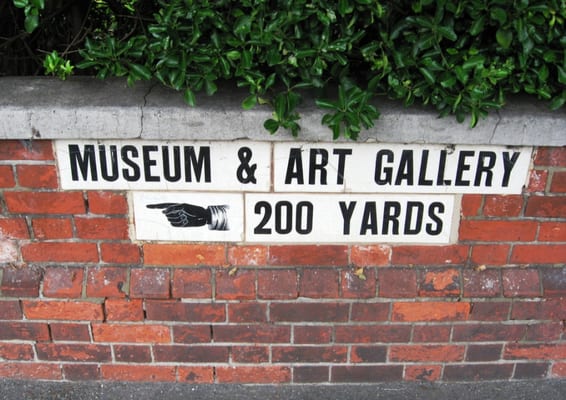
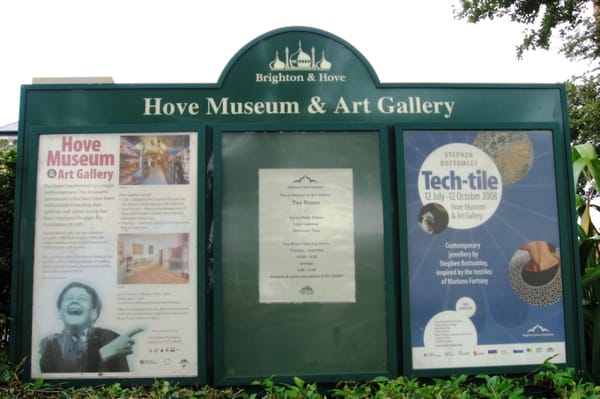
Hove museum and art gallery is small, but perfectly formed.
It's not somewhere you'd make a beeline for, unless there was something of specific interest to you personally to see, but it can provide a pleasant enough distraction for an hour or so on a rainy day. It has recently been refurbished and upgraded to provide high quality temporary exhibition space.
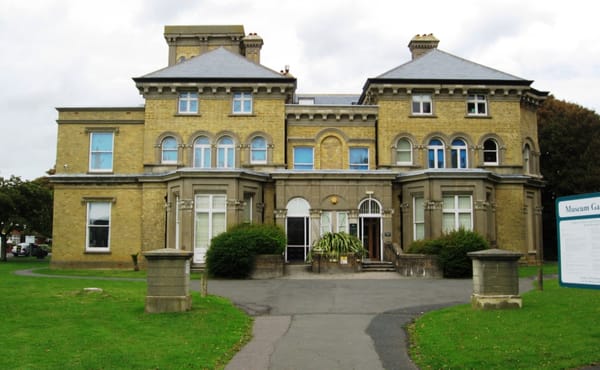
The museum is housed in one of Hove's grandest former mansions, a large Italianate house just to the west of the shopping area, half a mile from St Andrew's old church on Church Road.
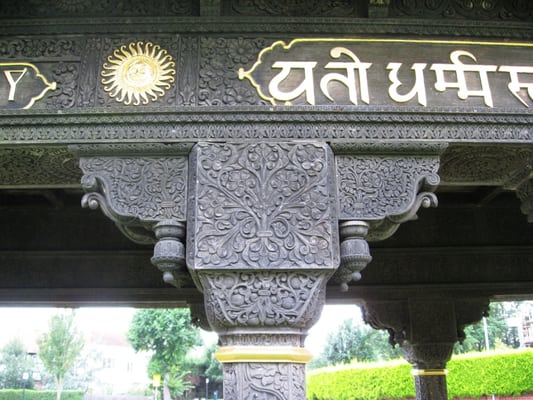
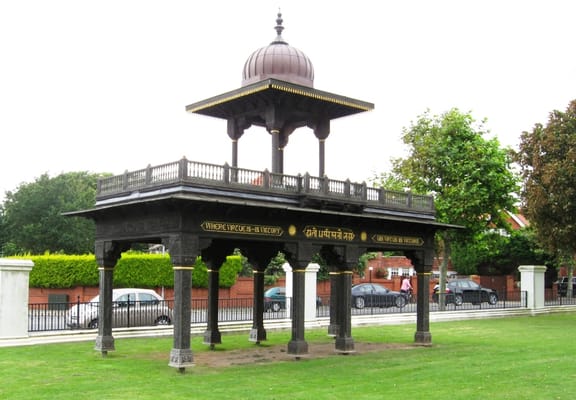
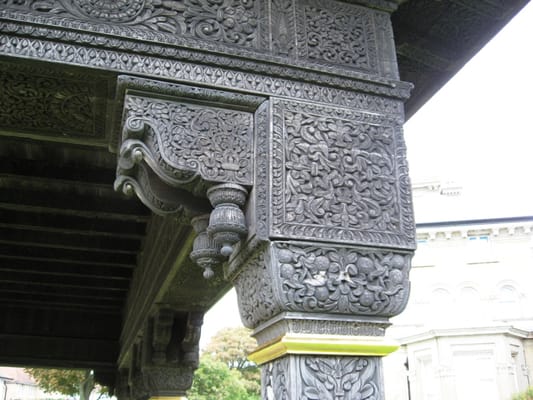
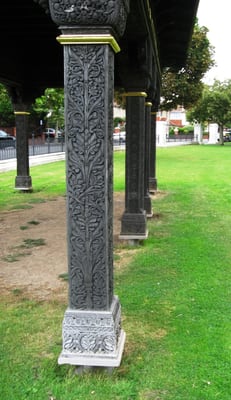
The highlight of the permanent collections is actually outside the museum: the Jaipur Gate. This was made for the Colonial and Indian Exhibition of 1886 held in South Kensington, and moved here in 1926. It was paid for by the Maharaja of Jaipur, whose motto is inscribed on the front, in English, Sanskrit and Latin: 'where virtue is, there is victory'. It was carved by Indian craftsmen, although its design was concieved by two Englishment, and it combines both Mughal and Rajput elements. After recent conservation work, it is now in excellent condition.
Inside, the ground floor provides two temporary exhibition spaces, a small shop and a tea room, which seemed very popular on my visit, and is probably worth knowing about in its own right.
Upstairs are the four main areas of the permanent collection.
Most important of these is the collection of early film and cinematic equipment. Brighton and Hove were important in early British film making, and a small film industry was based at Shoreham Beach in the days of silent films. The collection includes a wide selection of early film-making and projection equipment, and a small 8-seat 'cinema' where excerpts from early films and items for children are shown.
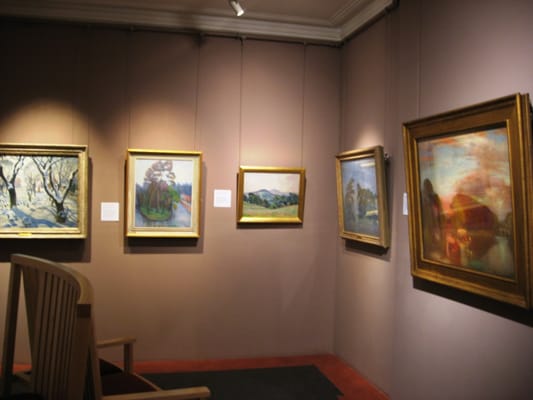
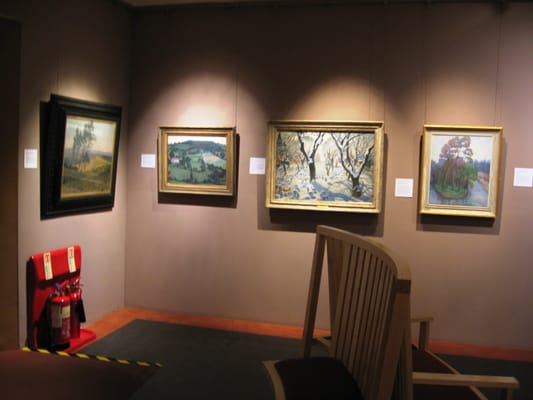
The art gallery contains a handful of attractive works by European (mostly British) artists, although none are in the 'top flight' of European painting. Details of the collection are on the website (note that this covers Brighton's collection, too, which is wider ranging and more impressive).
Next comes a small display of local history, which includes a small number of objects from local excavations from the bronze age to the mediaeval period, and includes the skull of a Saxon woman, important amber Bronze-age grave goods, items from a Saxon warrior burial, and pottery from a Roman villa excavated in nearby Southwick.
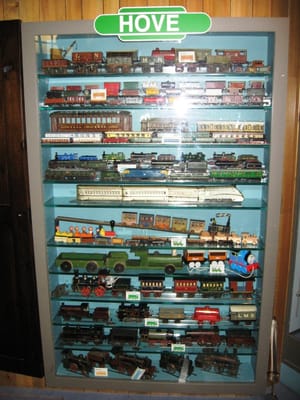
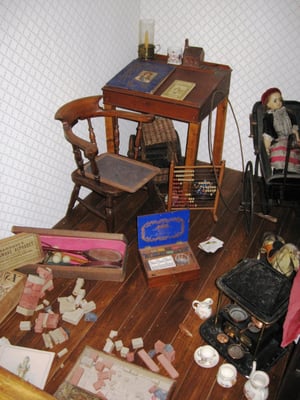
Finally, there a lovely toy collection, displayed in an area especially designed for children, which seems very well done -the collection covers quite a wide range from the 18th to the present.
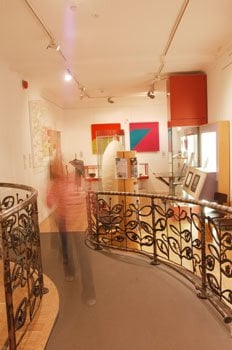
The temporary collections cover local arts and crafts and, as ever with this kind of display, the quality varies a bit, although the presentation is excellently done.
The shop sells cards, postcards and toys as well as small souvenir items.
Entrance is free.