Kenneth W.
Google
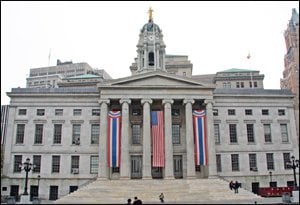
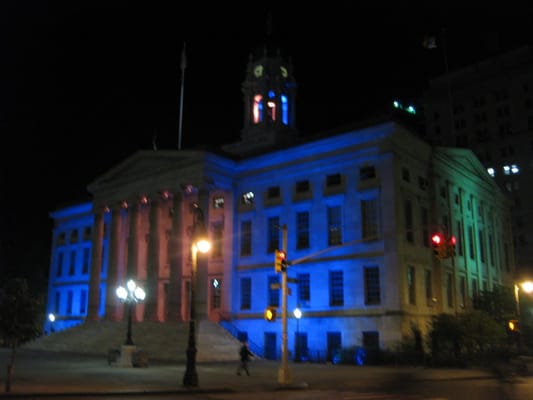
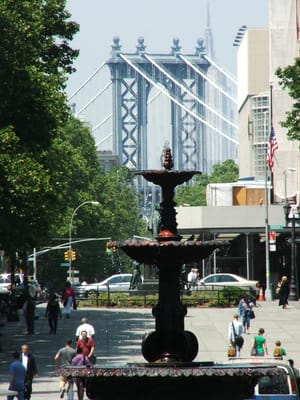
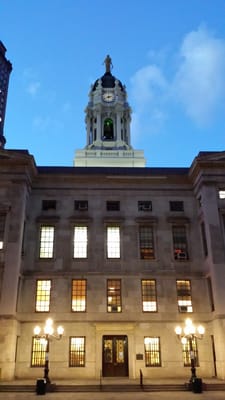
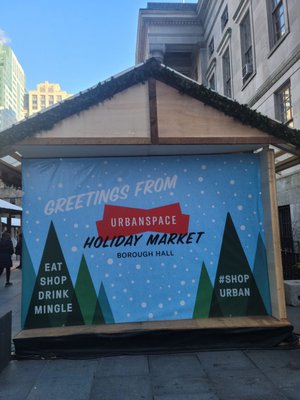
This year’s Brooklyn Book Festival — its 20th anniversary — was an invigorating reminder of how literature connects people across geographies, languages, and communities. Spread across Brooklyn Borough Hall, Borough Hall steps, and nearby venues, the festival combined lively panels, bustling book stalls, and opportunities for writers and readers to meet face-to-face.
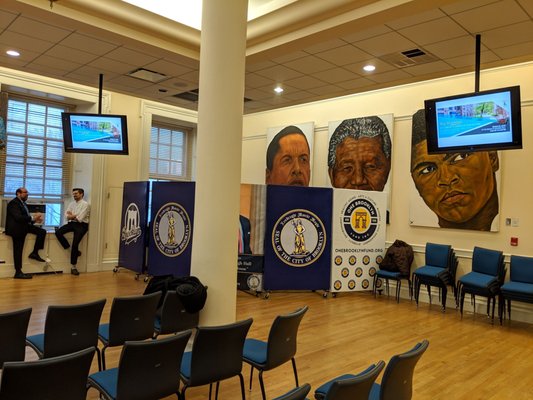
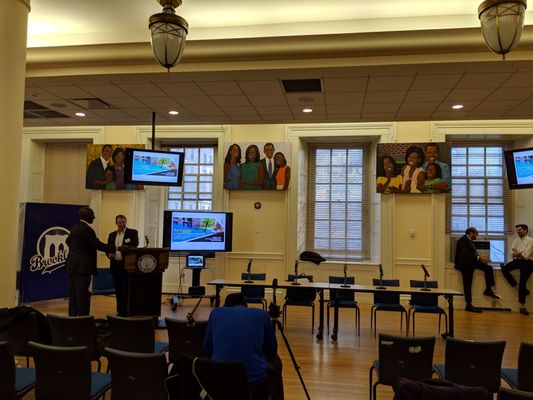
At Brooklyn Law School, Cory Doctorow delivered a sharp talk around Enshittification, dissecting how digital platforms decline and what strategies readers, writers, and citizens can adopt in response. Elsewhere, Kimm Topping’s session on Generation Queer resonated strongly, blending advocacy with storytelling to highlight the vitality of youth voices.
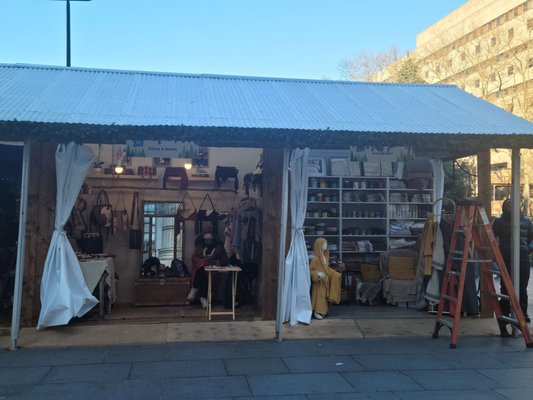
The marketplace was equally rich. Independent publishers openly welcomed translated manuscripts from other regions, underscoring a growing appetite for global perspectives. I was especially glad to see Ho Sok Fong’s Lake Like a Mirror (Mahua literature) available in translation by a Berlin-based writer, a reminder of Southeast Asia’s resonance abroad.
The festival also foregrounded the politics of books, from the ALA’s display of the “most challenged books of 2024” to PEN America’s unapologetic “I Read Banned Books” campaign. Brooklyn Book Festival 2025 was more than a showcase of books — it was a living dialogue on what stories matter, how they travel, and how communities keep them alive.