Brown University
Private university · College Hill ·
Beautiful Ivy League campus with historic architecture and green spaces.

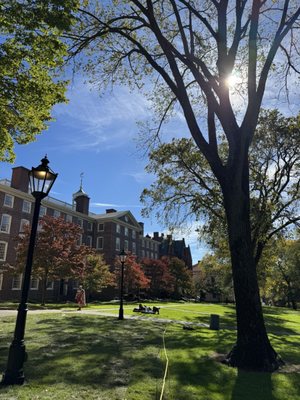




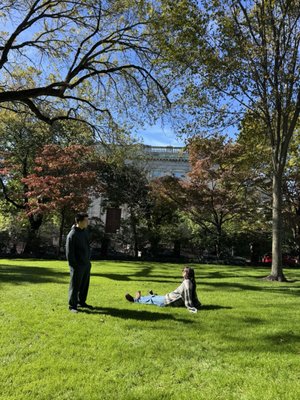

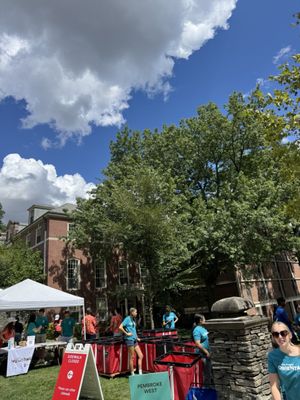
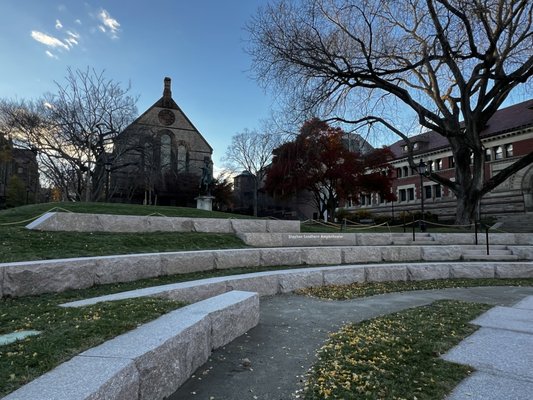
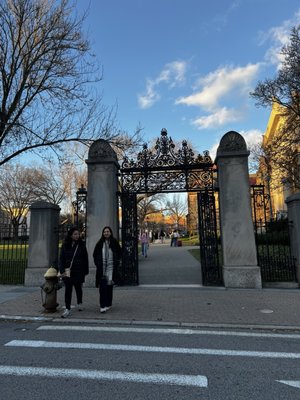


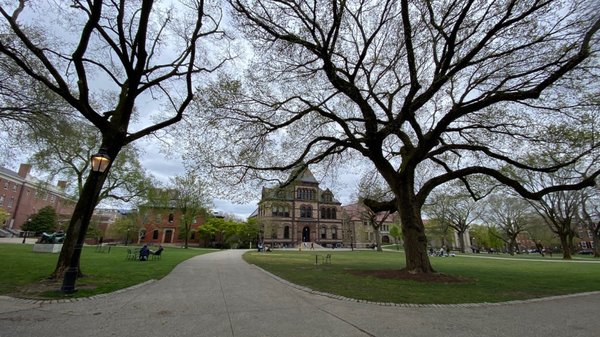

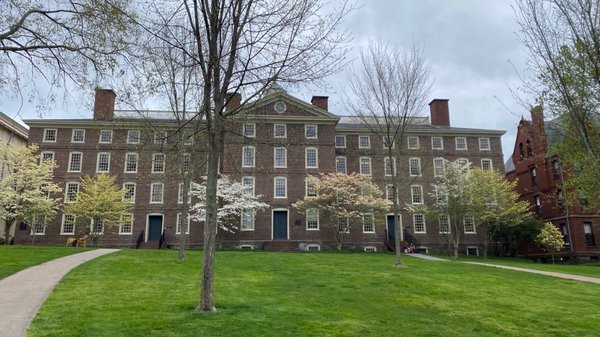
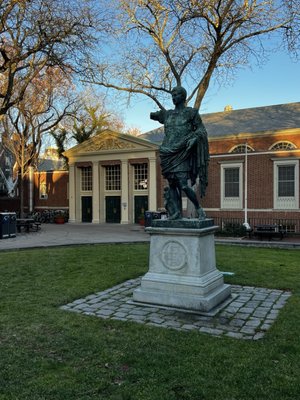
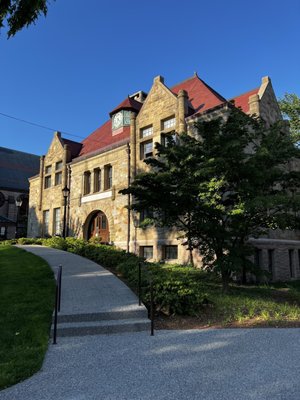

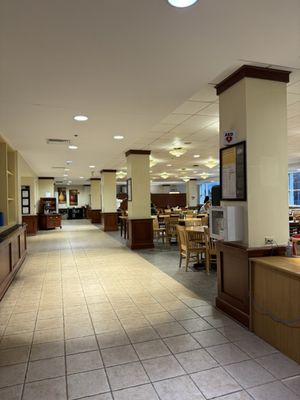




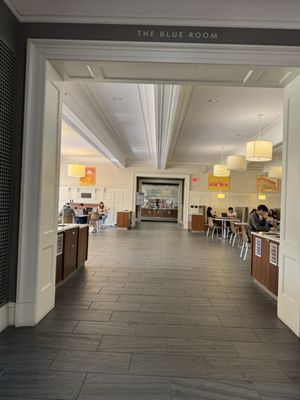







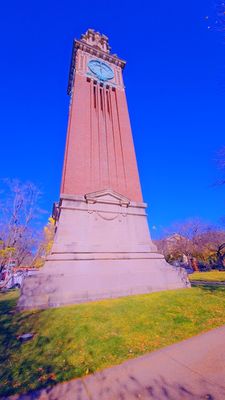
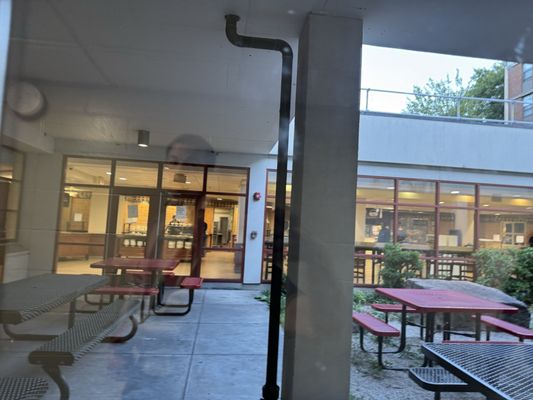

Beautiful Ivy League campus with historic architecture and green spaces.
"A 2016 study published in Current Biology described the “first-night effect,” in which sleeping in a new environment causes one brain hemisphere—consistently the left—to stay lighter and be more responsive to noise, presumably as an evolutionary, animal-like monitoring of unfamiliar surroundings; this asymmetry typically evens out on subsequent nights. The researcher suggests avoiding contamination of important events by arriving two nights early, or when that isn’t possible, spending time in the room and bringing familiar items from home to reduce unfamiliarity. Complementary, traveler-tested tactics include using familiar scents such as lavender sachets or pillow mists, keeping a consistent bedtime routine, using white-noise or ambient-noise apps and sleep headphones, wearing a sleep mask and earplugs, controlling temperature and humidity, and even simple security gestures (like placing a chair by the door) to help the brain relax; if none of these work, going to bed earlier to bank extra rest can mitigate the effects of a poor first night’s sleep." - Travel + Leisure Editors
Yulia B.
Jean T.
Dilyana O.
Mitchman
Khalid O.
krutartha S.
Al M.
Chaeil Y.

Purpose T.

Yonnie C.

Chloe T.
Aja H.

Adam C.

Sue D.

Owen R.

Mollie W.

Payal M.

Guy K.

Eric D.
Chuck K.

Alexis B.

Megan C.

May A.

Shelley D.

Michael L.

Gerald N.

Blake N.

Les M.

Melissa S.

Eric C.
Tina S.

Greg M.

Anya R.

Paul M.

Bunny B.

Ellie T.

M T.

Tyler L.

Gordon B.

George C.

Tom B.
Nik E.
Shirin O.
Ann T.
Jenny C.
