Alexis B.
Yelp
After reading about Philadelphia's newest art museum - and being a fan of Calder's work - I was so excited to visit Calder Gardens a week or so ago.
So what is Calder Gardens? It's a new art institution dedicated to the artist Alexander Calder, who was born in Philadelphia and became a highly influential artist of the 20th century. According to its website, Calder Gardens was "conceived as a place where an evolving interplay between art, architecture, nature, and programming encourages contemplation and self-discovery."
I'm really bummed to be writing a three-star review for Calder Gardens, because some of what they're doing is amazing. But I just think they've missed the mark a bit, too.
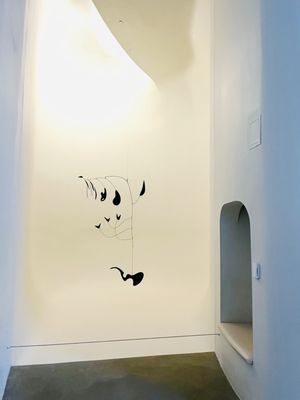
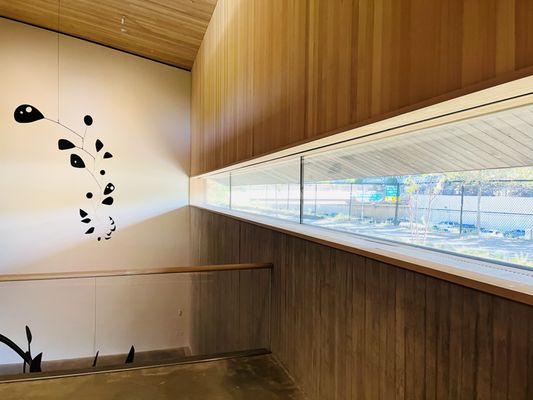
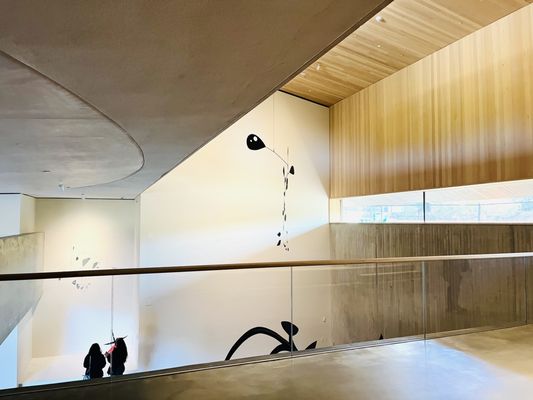
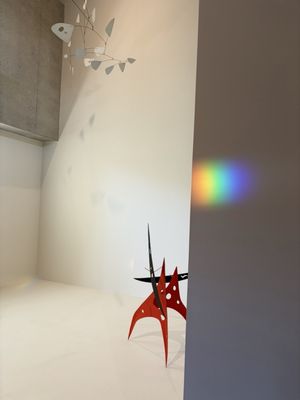
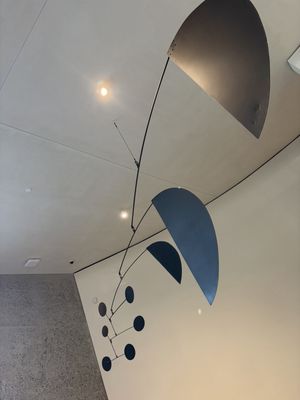
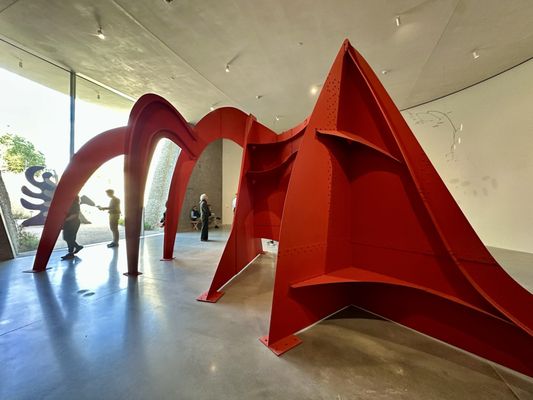
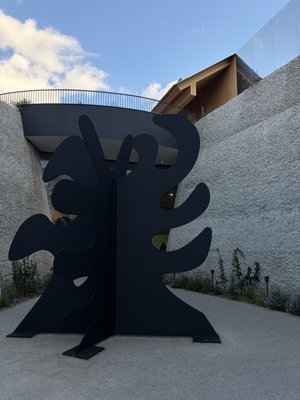
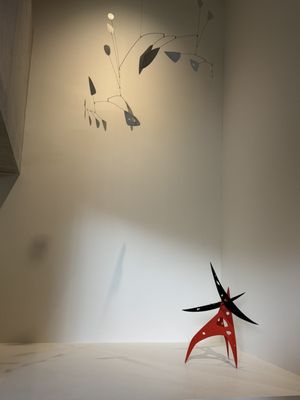
What's great about Calder Gardens? The architecture. The building was designed by Herzog & de Meuron, and it's stunning. I knew I was in for an architectural treat just from the exterior - a folded metal canopy roof reflecting the nature around the structure meats a warm wood-lined entry area - but it was the interior that really blew me away. The interior is filled with concrete (including really interesting use of "scratched concrete"), beautiful wood planks, windows and tons of light (except where there was hardly any light intentionally), beams, and more. There were some special spaces, too. The Apse Gallery is created from two offset curved walls, and the single piece in that gallery looks like it's floating in some unreal place. The Cuboid Stair make me feel like I was entering a 1980s Jim Henson movie set (like Dark Crystal or Labyrinth), and the piece hanging there now (a compact mobile titled "Tentacles") has a haunting quality from its placement in that strange (but strangely beautiful) stairwell covered in dark, rough, textured concrete.
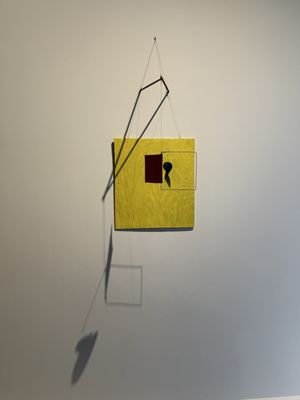
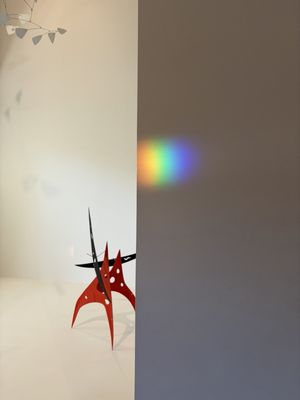
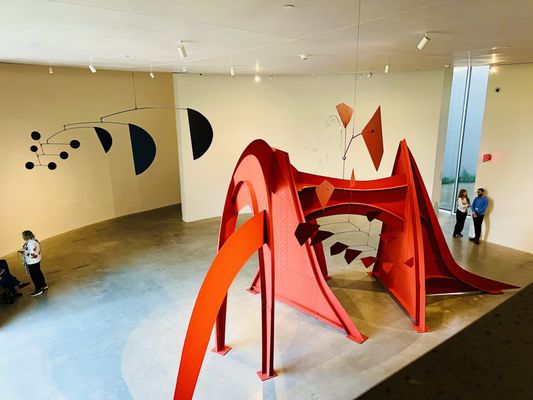
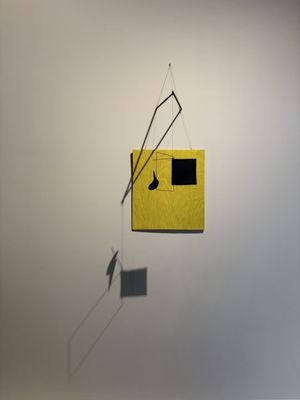
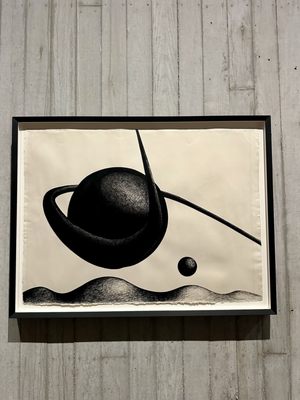
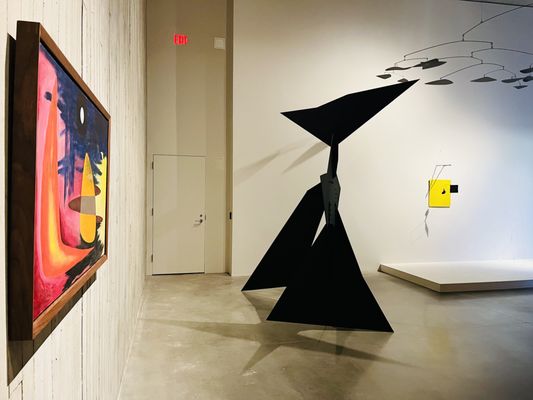
All of this makes for a really great site for Calder's work. It's really an exhibition space, not a museum. Calder Gardens doesn't own any of the art but exhibits Calder pieces from around the world and from different collections. That means the galleries will always be changing - some will remain for years, some for months. The piece on view display a diverse range of Calder's work: mobiles, sculptures, paintings... I saw some pieces that looked like what I think of classic Calder, and I saw some that surprised me. And the architecture's openness and light really showcases the works beautifully.
It's hard to describe or explain, but Calder Gardens just feels fun. The spaces are surprising, and it feels like you're a part of the work. You can also just wander. It feels like exploring and wandering much more than it feels like a museum. Kids there when we were looked to be having a lot of fun, too.
So what didn't I love about Calder Gardens? First of all, I'm not sure calling it Calder Gardens was a great idea. A lot has been made in articles I've read about the landscape design by Piet Oudolf. Because of that and because Gardens is in the name, I thought there would be a bit of a sculpture garden - a walk through the grounds and through Oudolf's design. But the only walking you do through the gardens is taking one of two paths that leads from the street to the front door. Calder Gardens sounds nicer than Calder Institute or Calder Center, but I think it implies that you will be experiencing some gardens.
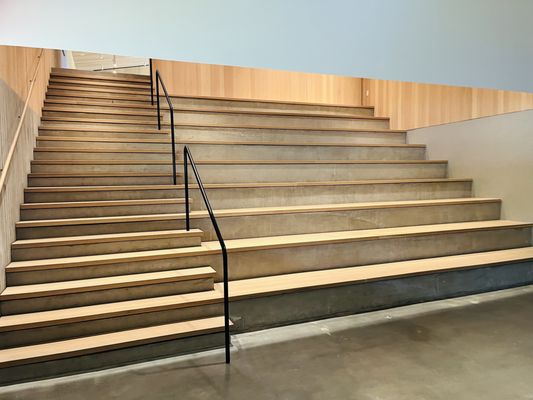
Since there aren't explorable gardens to speak of (there is one garden area you can visit - the Vestige Garden, which is a small garden area you can access from inside surrounded on all sides by the building itself), the space isn't large. A lot of the pieces are large, but there are currently 37 pieces on view, in total. The space is amazing and the pieces are amazing, but I can't imagine spending a great length of time here. There is a staircase area meant for spending time where you could read a book or sit and enjoy the space, as well as a few other bench areas, but I don't think the average visitor will spend more than an hour here (and many will probably spend less than that - half an hour?). In addition, Calder Gardens has no wall labels and no gallery booklets. If you want to know the name, date, and materials of any of the pieces, you can go to their website, where every piece on view is listed. I don't mind that really; I know that their goal is to have people experience the work in a different way, rather than just reading about it, but I do think that also can shorten the visit.
Visiting Calder Gardens costs $18 for adults, $16 for seniors, $5 for college students, $5 for youth (13-18), and nothing for children 12 and under. You can add on admission to the Barnes for an additional cost ($38 for adults). This is a lot given the amount of time many visitors may be spending here.
There are things about Calder Gardens that are amazing. I would certainly recommend it people who are very interested in architecture and Calder. But for the average visitor or casual art museum goer, I think it might not be a good fit given the price for adults and seniors.