Chun M.
Yelp
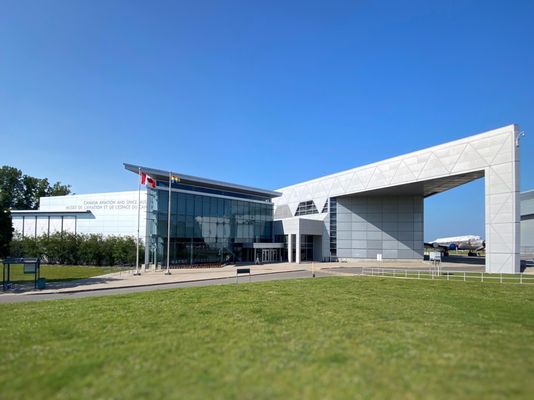
Wheeeeeee! I love Aviation and Space! I wish I lived on Aviation Pkwy! The museum is part of Ingenium, a federal crown corporation set up by an act of Parliament to oversee the trio of national museums including Agriculture & Food and Science & Technology. A little remote from the downtown area, there is plenty of pay parking if you're driving and definitely worth the trip. The $15 adult admission (US$11) is pretty reasonable. There's even a $38 family package (2 adults & 4 kids) and a $12 group discount (15+ people). Ottawa is similar to Washington DC in that they have all manner of museums, though more spread out and CASM can give the Smithsonian's Air and Space Museum a run for their money.
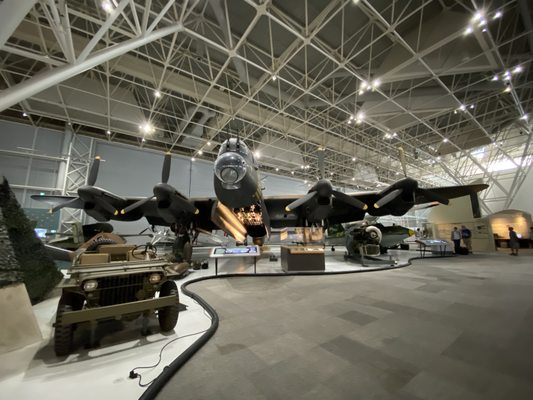
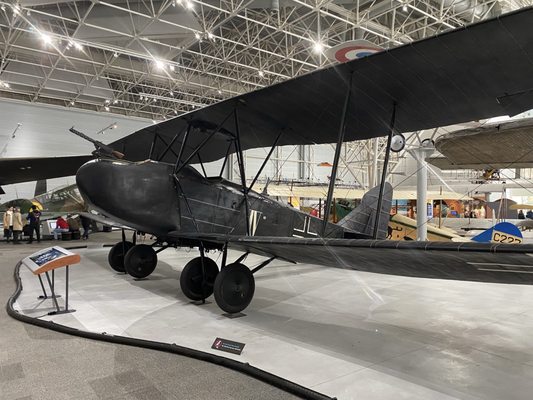
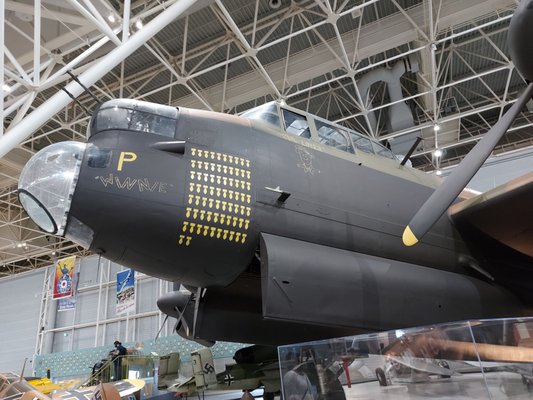
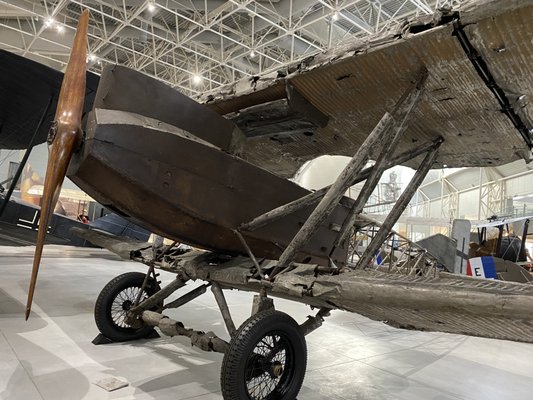
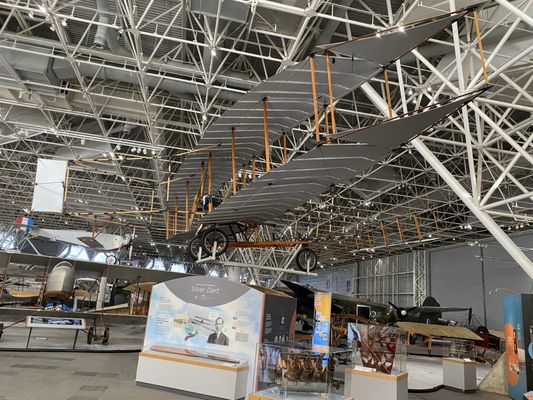
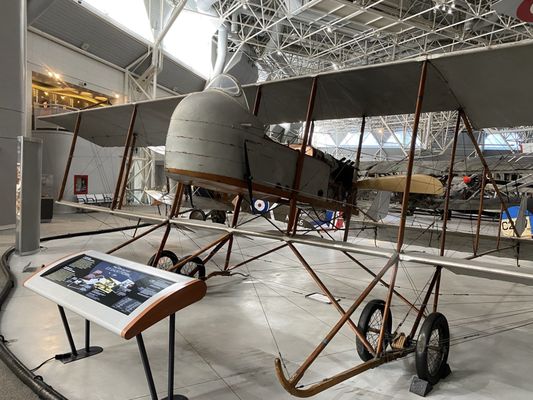
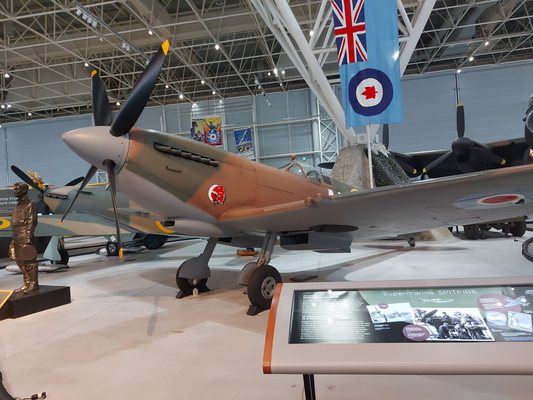
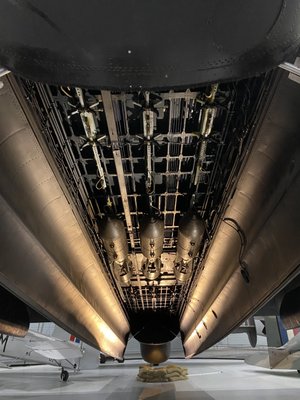
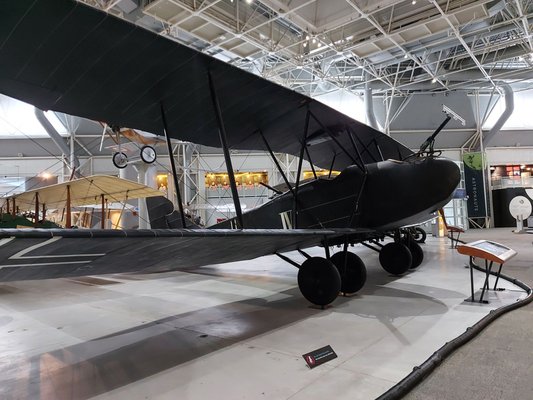
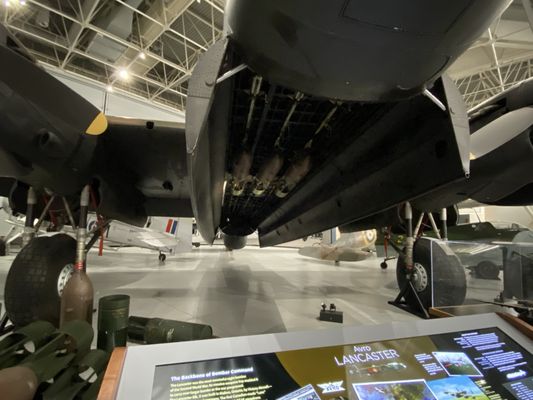
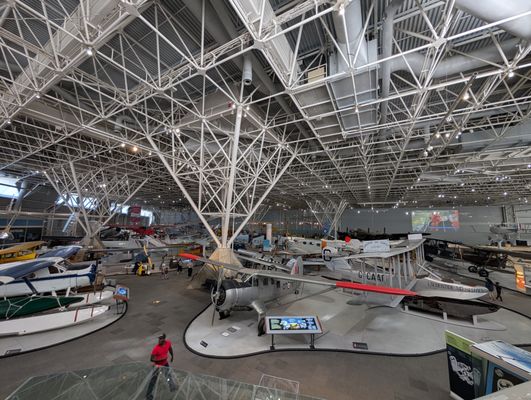
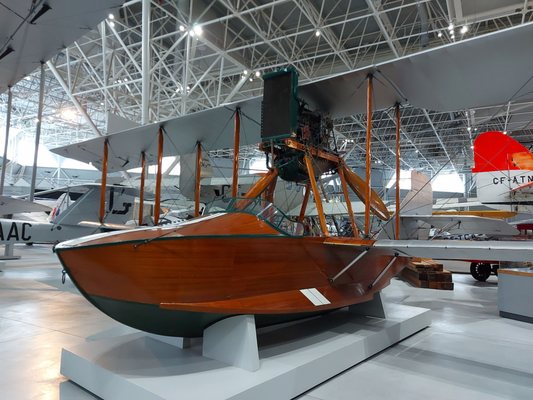
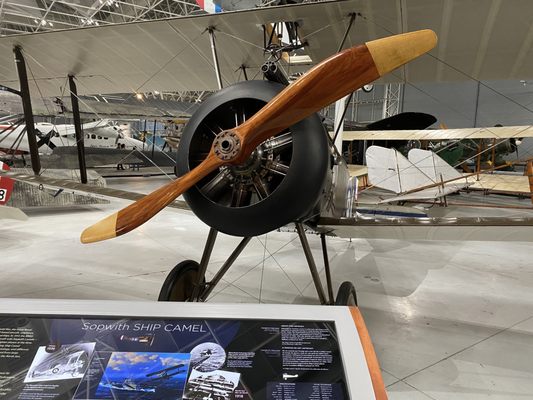
As you enter the building, you walk under the inverted CT-114 Tutor jet trainer of the famed Snowbirds aerobatic team. I had seen them perform their precision aerial maneuvers at Jones Beach and was impressed to see one up close from the balcony walkway. The main hall is sectioned off by aviation eras, starting with early wooden biplanes and WWI aircraft like the Sopwith Camel (Snoopy's plane). Moving onto WWII, there are British (Spitfire & Hurricane) and German (Bf-109, Me163 Komet & He-162 Volksjager) planes on display. Towering over them like a mother goose with wings splayed is what I came to see, the Avro Lancaster bomber, one of the few left in existence and with over 400 of them built in Canada. With its four Merlin engines, it dropped millions of pounds of bombs over Berlin, Hamburg & Frankfurt, including the Dambuster and 25,000lb Grand Slam bombs. It was a frightening time in history that should never be repeated and never forgotten.
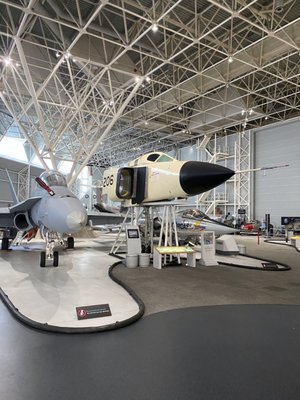
Moving onto the Jet Age, the Cold War and modern times, those eras are represented by innovative designs such as the DeHavilland Vampire carrier based fighter and the Hawker Siddeley Harrier jump jet. One of the last indigenous jet interceptor designs, the CF-105 Avro Arrow is a proud centerpiece for Canada, even though a whole one no longer exists. Only a nose section and wingtips of one of the prototypes survive after it was cancelled in 1959. A design ahead of its time, it suffered from political infighting and never made it into production, which eventually ran Avro out of business and from which the Canadian aerospace industry never fully recovered. This is evident in later years, when Canada resorted to buying military hardware from the USA (displayed here) such as the Bomarc missile, CF-5 Freedom Fighter, CF-101 Voodoo and CF-18 Hornet jet fighters.
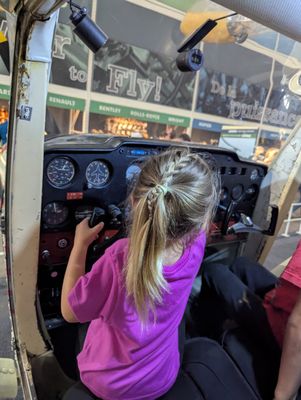
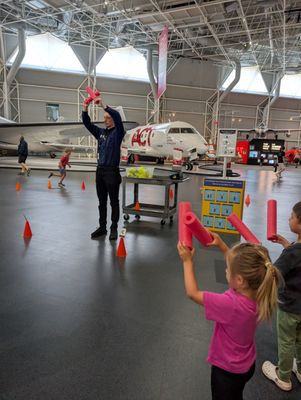
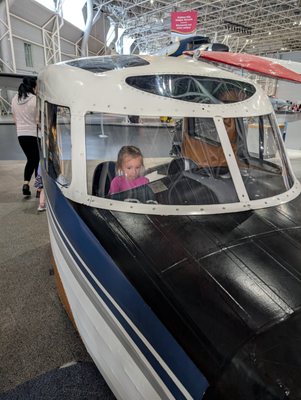
Multiple times during the day there are special demonstrations such as the ejection seat demo. It lasted for 1/2 hour and was informative, but (spoiler alert) was kind of disappointing. The kids might enjoy it since they can be called upon to participate by putting on pilot gear. For the little kids, there are wheeled wooden biplanes all over the open floor areas that they can ride in mock dogfights. Just keep an eye on them so that they don't run over any toes or into any kneecaps.
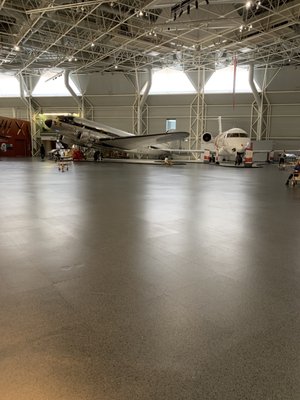
If you have an extra hour (or maybe two), definitely get the $7 add-on for the private tour of the reserve hangar, where lesser known aircraft are being restored and others are rotated into the main hall for exhibition space. There are some BIG planes in here and are literally packed on top of each other! The docent has lots of stories of some of the more obscure aircraft. One interesting story was how they landed the DC-9 jetliner on the adjacent 3000ft runway meant only for small propeller planes! One of my favorite planes, the "Wooden Wonder of WWII," the DeHavilland Mosquito is also housed here. There's also a Mustang B, a Hawker Sea Fury, a F2H Banshee, a full sized C-130 Hercules and most of the pieces of a Bristol Beaufighter that I hope they will be able to restore to museum quality. Something to look forward to on the next visit!