Casa Howard Firenze - Residenza d'Epoca
Hotel · San Frediano ·
Boutique hotel with uniquely styled rooms and in-room breakfast







Information
Via della Scala, 18, 50123 Firenze FI, Italy Get directions
Boutique hotel with uniquely styled rooms and in-room breakfast
Via della Scala, 18, 50123 Firenze FI, Italy Get directions
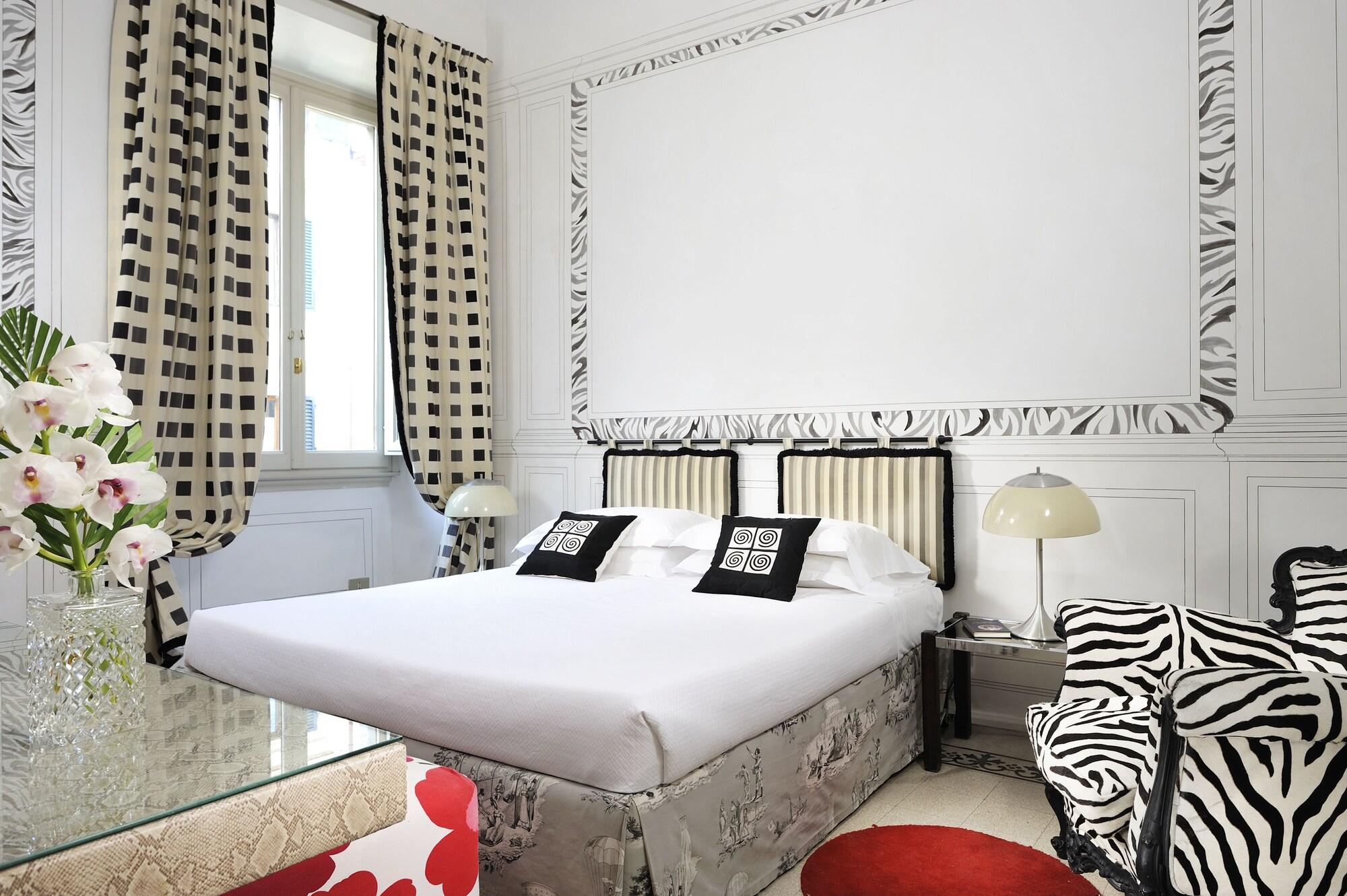
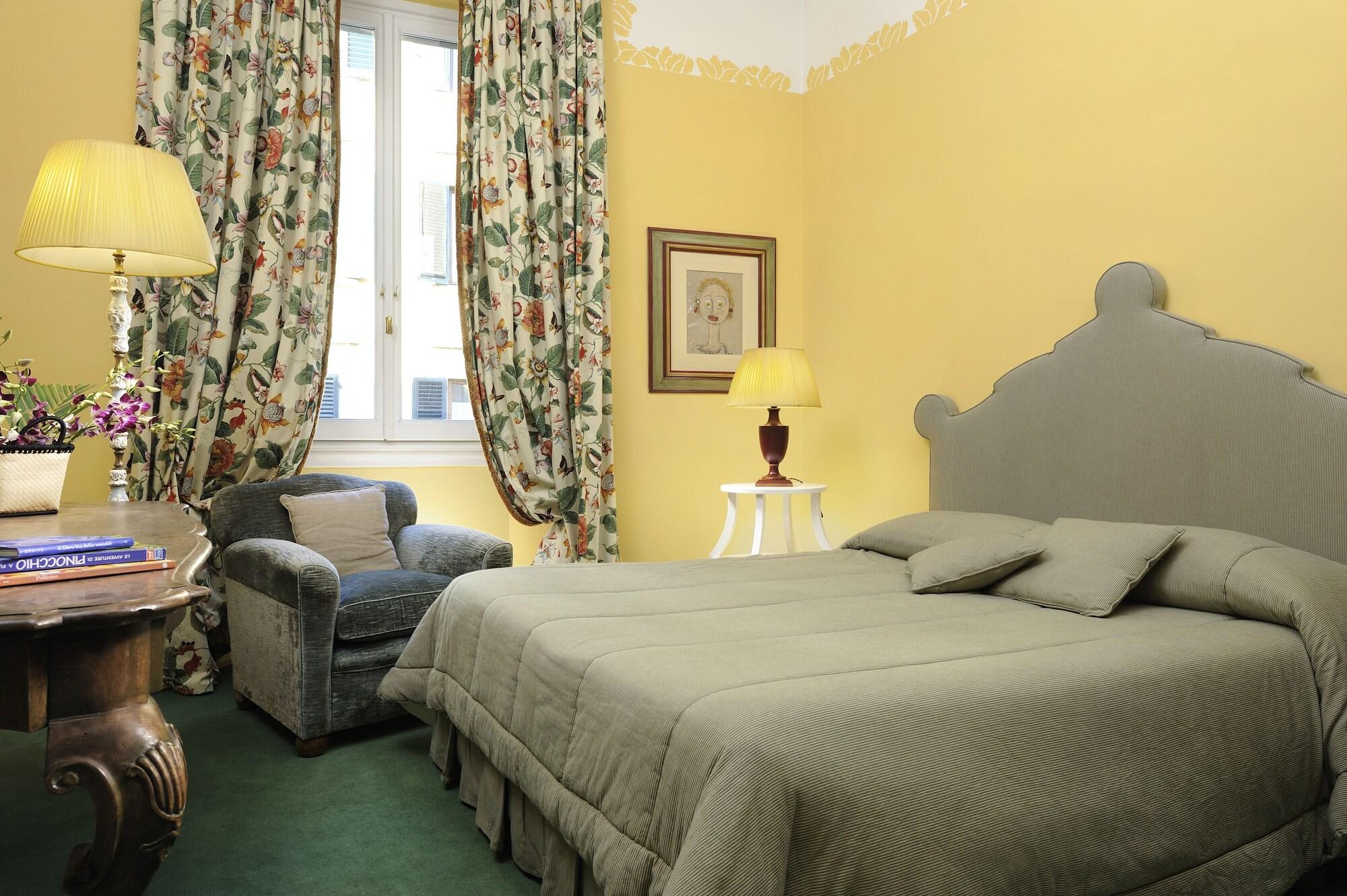
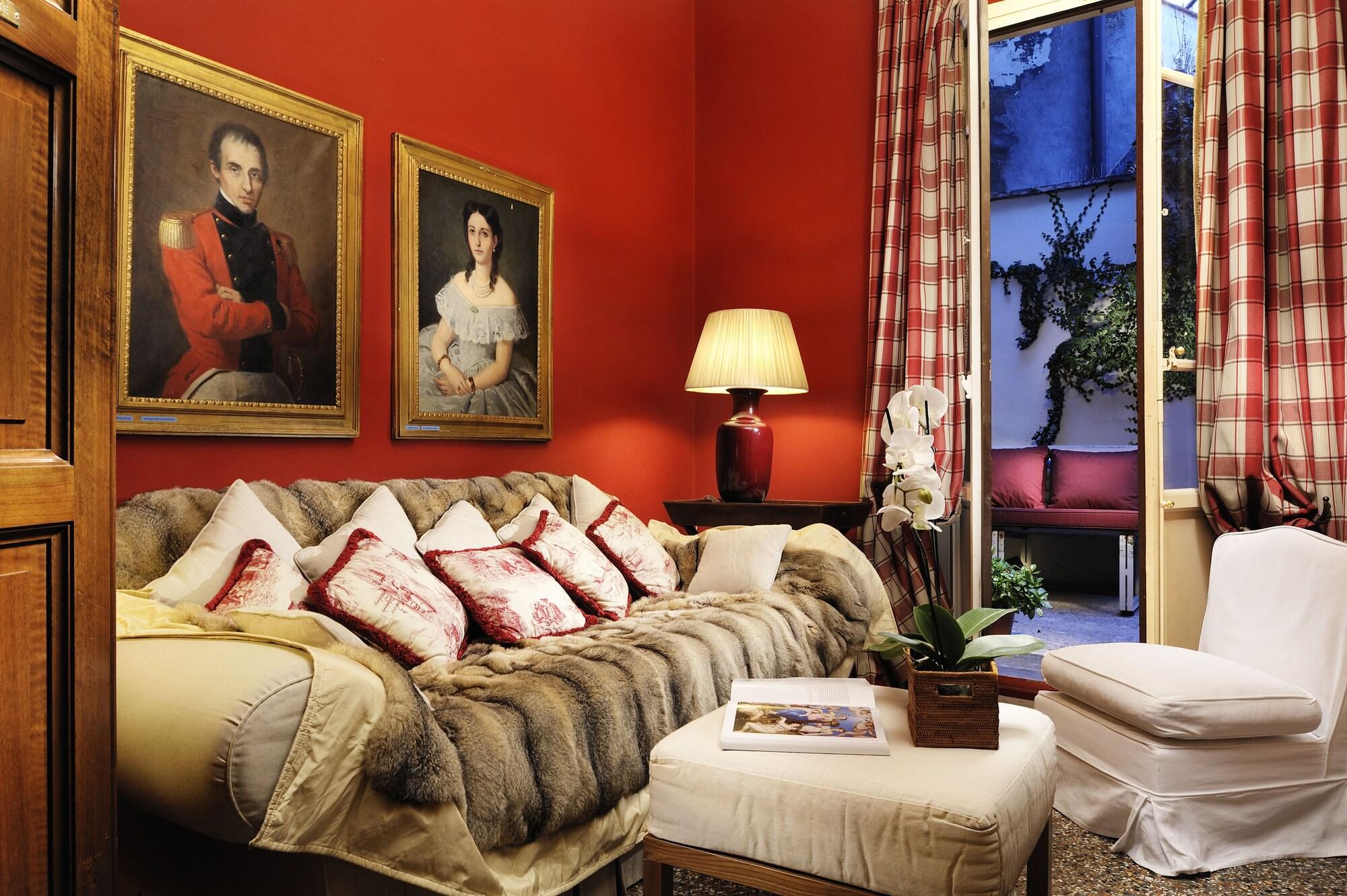
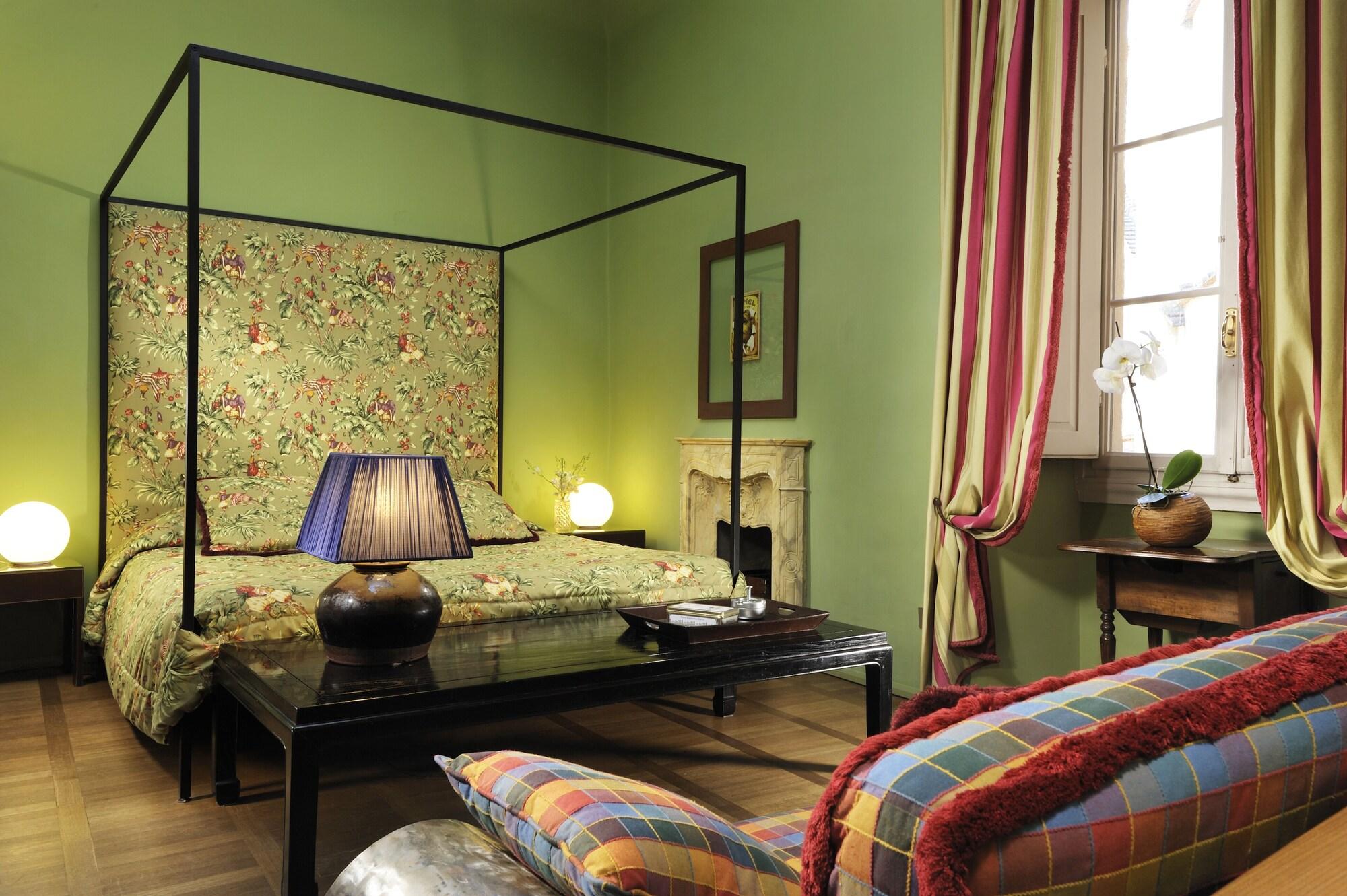
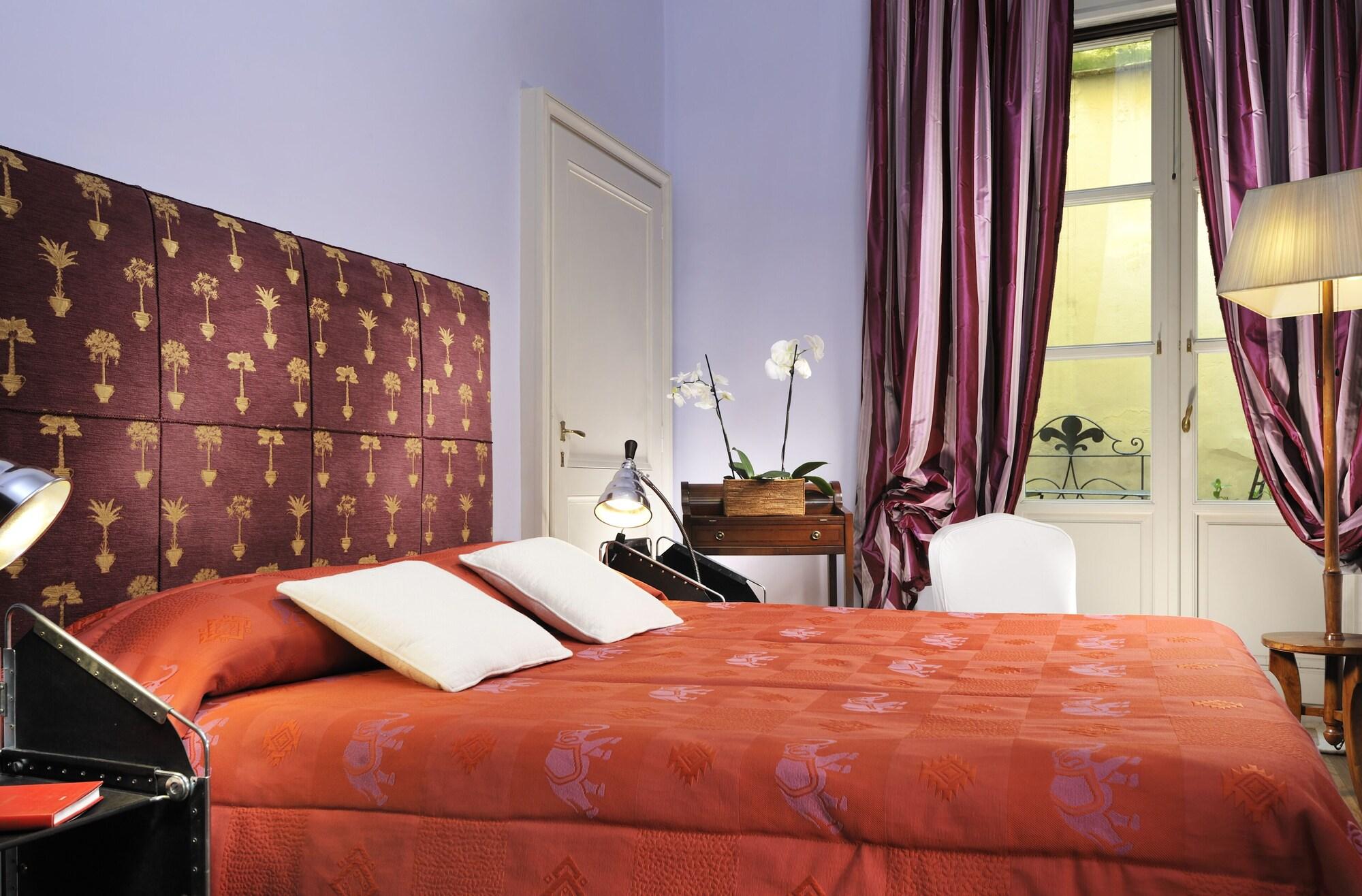
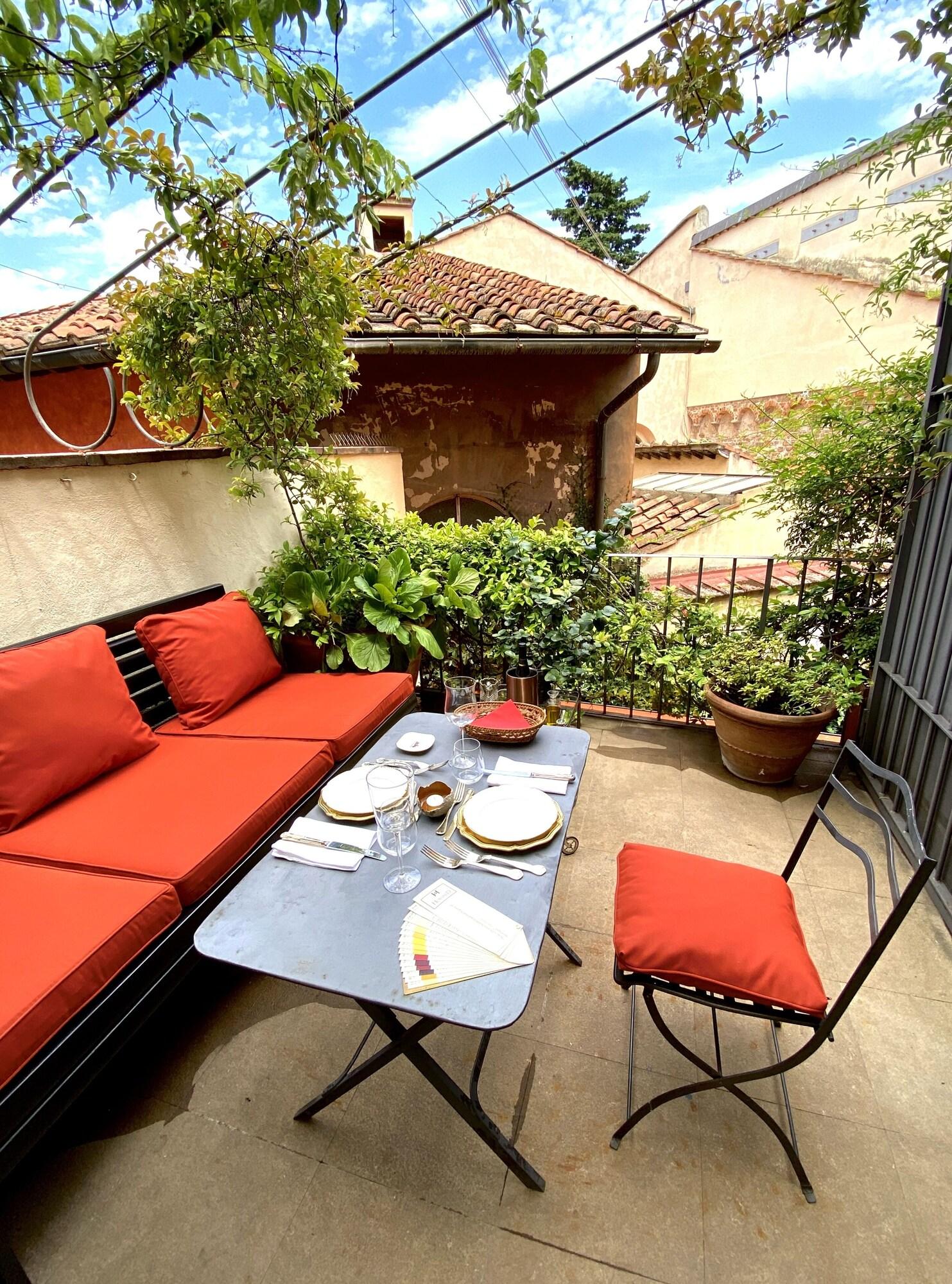
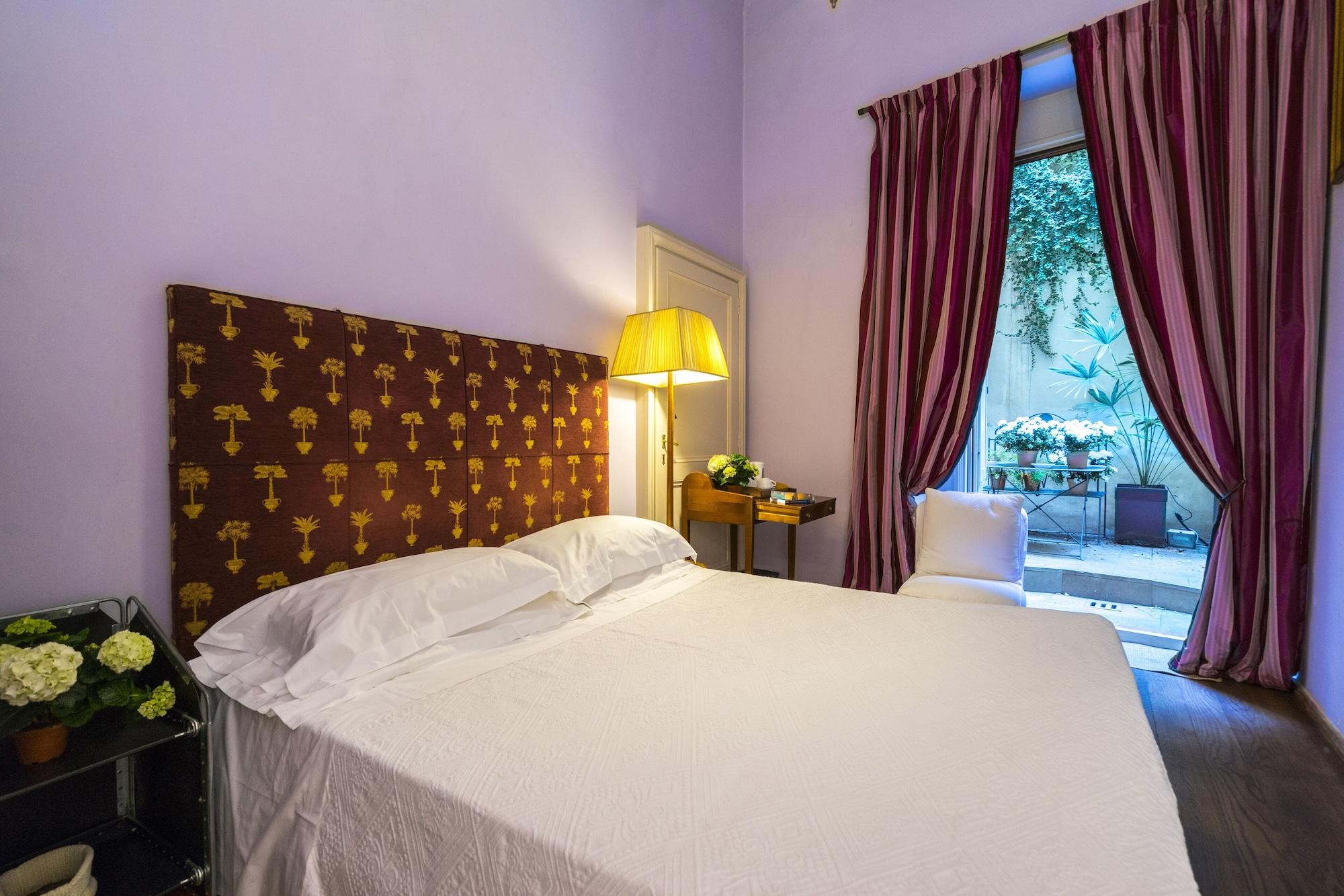
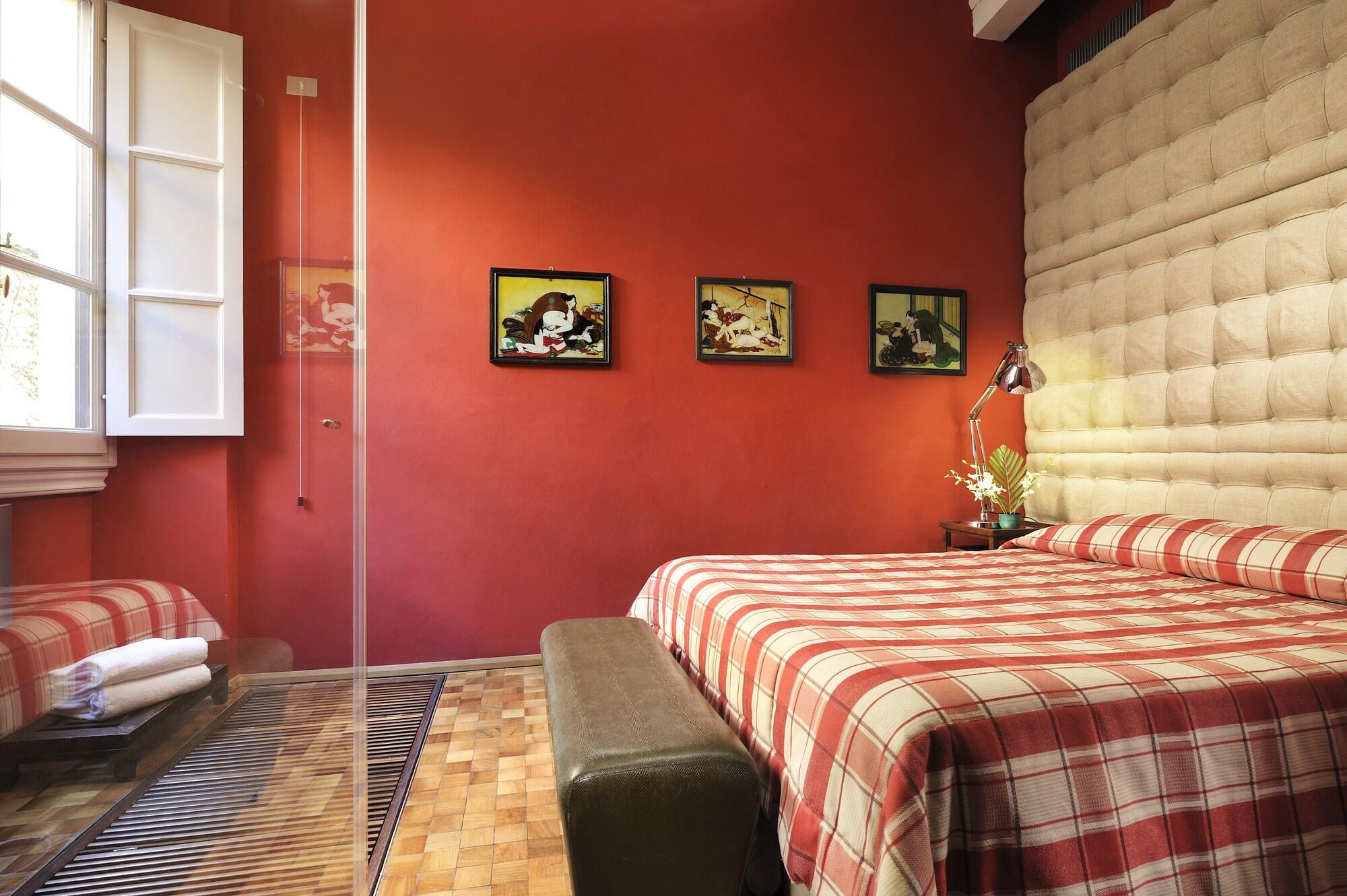
"Hundreds of years ago, at the height of Florence ’s Renaissance heyday, visitors to this cultural capital wouldn’t have stayed in the kinds of luxury hotels that now line its picturesque streets. Rather, the well-heeled would have come at the behest of friends, lodging in private homes whose unassuming facades in the best neighborhoods belied their sumptuous interiors and private gardens, outfitted with art and artifacts collected from around the world. A guesthouse to its core, Casa Howard continues this Florentine tradition; there is neither lobby nor restaurant, and the owner Massimiliano Leonardi di Casalino lives in hisown apartment here while in town (note, it can be rented when he's away). Jennifer Howard Forneris, one of the design-conscious proprietors who has since passed away, was the daughter of renowned textile designer Luciano Forneris. She gave each room its own look, with finds from her and Leonardi di Casalino’s world travels. A media room is the sole common area, and a hammam steam room and an on-site concierge service are the only nods toward traditional hotel services. Insider recommendations are personalized according to guests’ preferences, and the honor bar feels more like a friend’s (well-stocked) fridge."

Markus A.
Jocelyn T.
chrisfY8450MO
353giovanab
pearcemc2017
125allegrac
471harolds
sileqp
