Corvin Castle
Castle · Hunedoara ·
Gothic-Renaissance fortress with towers, legends, and history



Gothic-Renaissance fortress with towers, legends, and history

"While Bran lures Dracula seekers, this vast 15th-century Gothic-Renaissance fortress in Transylvania is the one more often whispered about as truly haunted, its history entwined with imprisonments that allegedly included Vlad the Impaler, famed for brutal methods he is said to have suffered here. Paranormal accounts range from a monk bricked into Capistrano Tower whose spirit still lingers to phantom footsteps and unseen hands brushing past. It’s open every day and easily reached by car or train." - Nicole Kliest

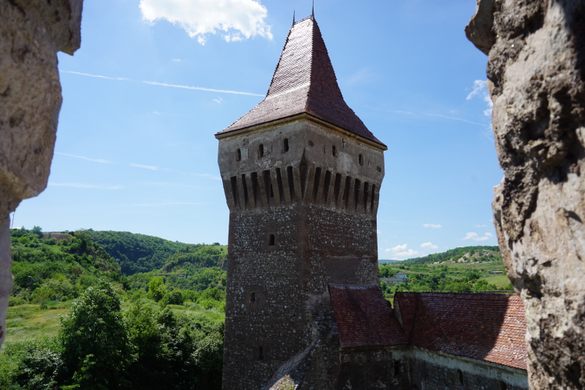
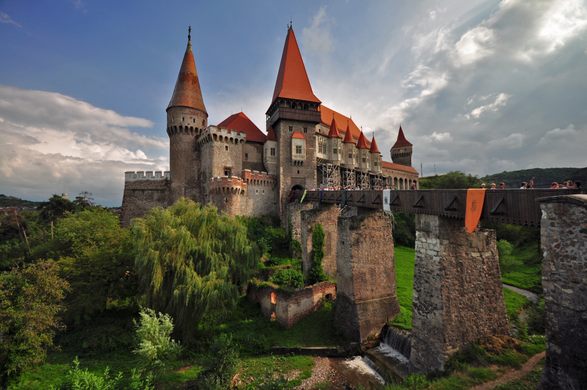
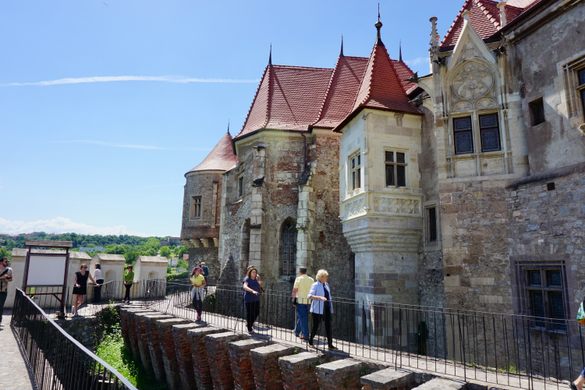
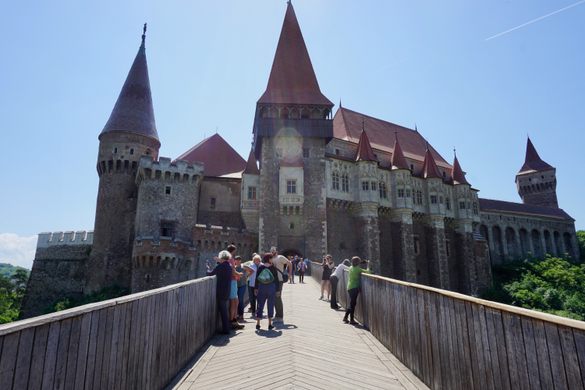
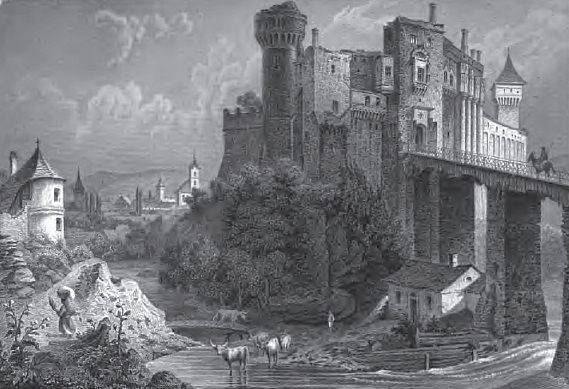
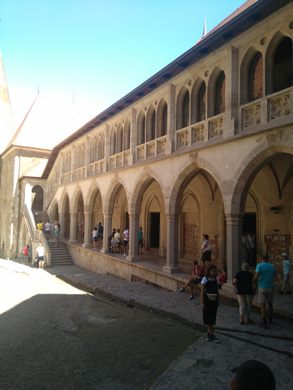
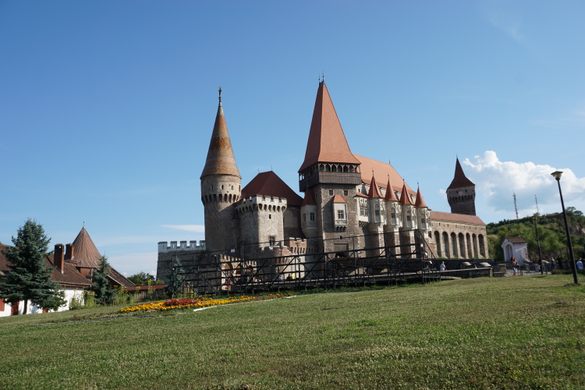
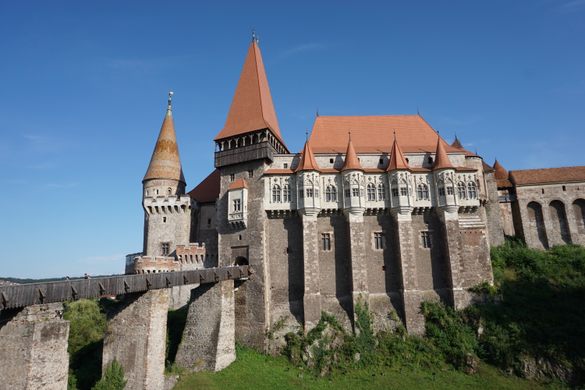
"A Gothic–Renaissance fortress in Hunedoara notable for tall towers, stone-carved balconies, and abundant windows; it was built in 1446 at the behest of John Hunyadi. Local legend holds that Turkish prisoners were ordered to dig the castle's well and would only be granted freedom when they reached water; when the well was finished 15 years later their captors broke the promise, and many claim there's an inscription on its wall that reads: "You may have water, but you have no soul." - Steven Casale Steven Casale Steven Casale is a New York City-based freelance writer and digital strategist. He specializes in food, travel, and lifestyle content for publications like Tasting Table, Travel + Leisure, The Lineup, and amNY.com. Travel + Leisure Editorial Guidelines

"Used for the exterior of Count Orlok's castle in Nosferatu. It was chosen for its gothic appearance and historical significance."
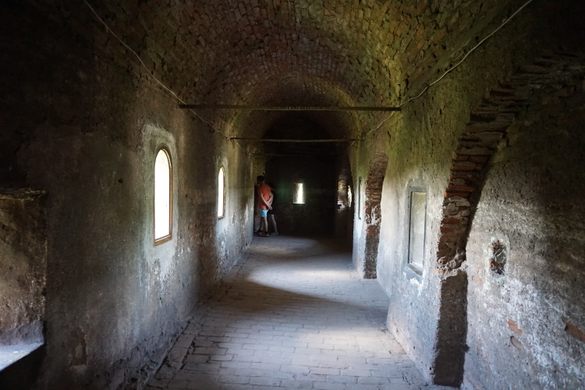
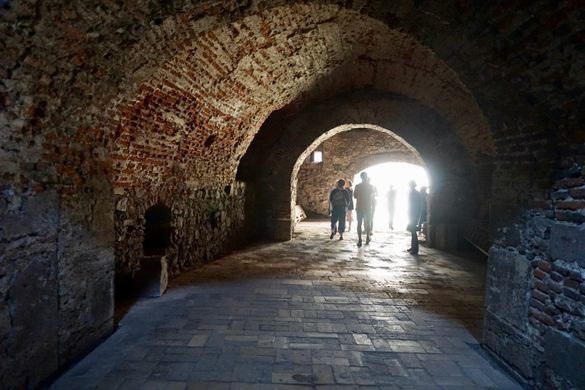
"In Hunedoara, I recount that Corvin Castle—where Vlad the Impaler was once imprisoned—carries stories of a monk bricked into a wall whose ghost is said to linger, plus the tragic legend of three prisoners who dug a well for promised freedom and were never released, all contributing to its haunted lore." - Andrea Romano Andrea Romano Andrea Romano is a writer and editor in New York City. For the last eight years, she has been a lifestyle journalist for Mashable, Brit+Co, Reviewed, Bustle, and Travel + Leisure. Travel + Leisure Editorial Guidelines

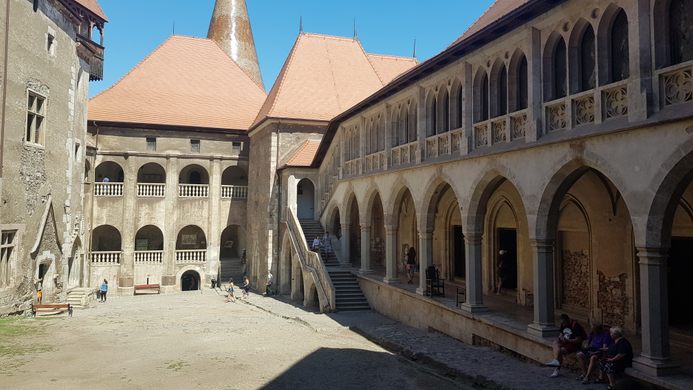
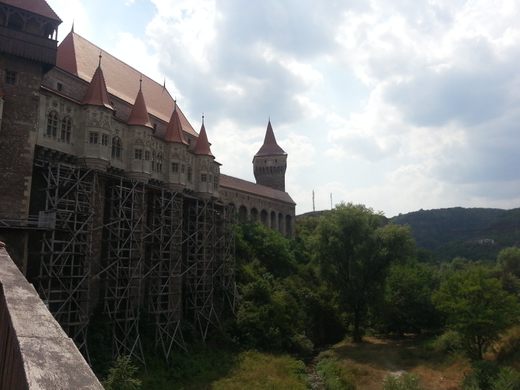
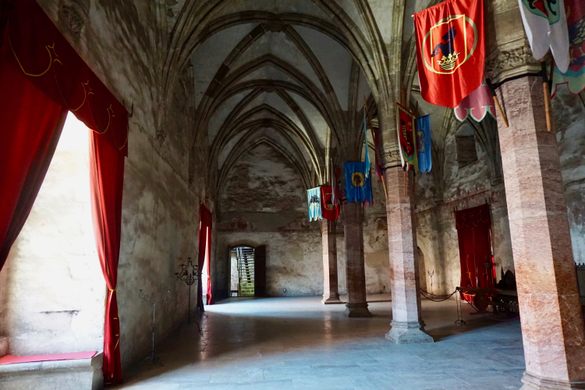
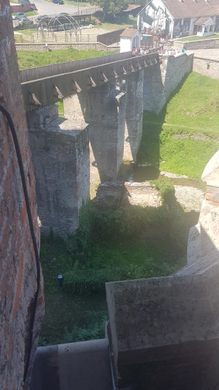
"In the heart of Transylvania, one of Europe’s largest castles looks like it sits atop a rocky bluff with nothing but a thin bridge allowing access. But this is Corvin Castle, which looks like something straight out of a fairytale, largely because restorers thought that it should. Built in the mid-15th century, the castle was the work of military leader John Hunyadi, who constructed the tall structure over the remains of a keep built by Charles I. Corvin Castle is split into three large areas: The Knight’s Hall, the Diet Hall, and the circular stairways. Each of these three parts is surrounded by both circular and rectangular towers that were used for both defense and as a prison. The elaborate architecture was designed in a rich gothic style that accentuates the already impressive structure. The castle was kept in regal condition during Hunyadi’s lifetime, but after he died, the castle fell into swift decline. It was not until the 17th century that there was more interest in restoring this medieval castle. As the restoration work began, the workers redesigned the castle to reflect what they considered a gothic castle should look like, which explains much of its currently fanciful look. A number of legends are associated with the castle. Though this is likely untrue, tourists are told that Vlad the Impaler spent some seven years in the dungeons of Corvin Castle, a stay which resulted in his eventual madness." - ATLAS_OBSCURA