Dr. Vyas S K.
Google
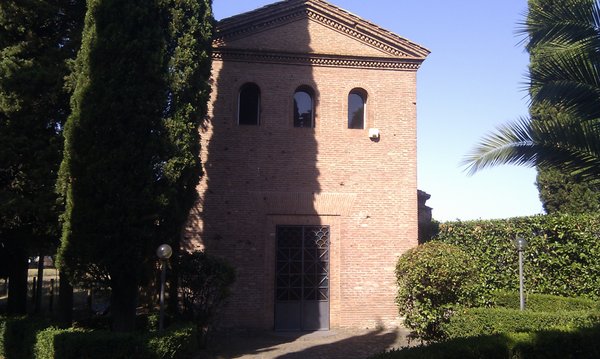
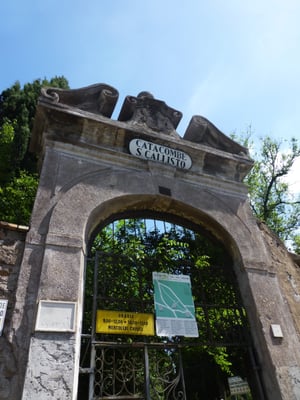
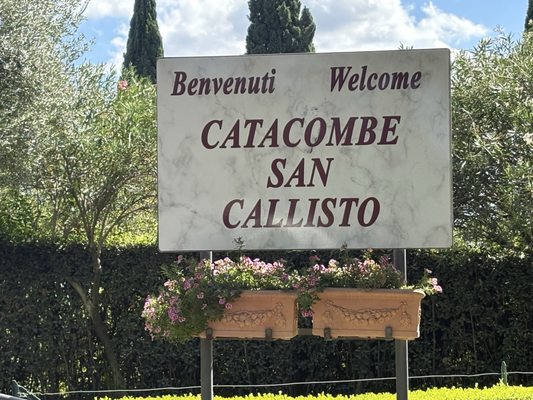
The Catacombs of St. Callixtus (Catacombe di San Callisto) represent the most majestic and significant subterranean cemetery of the early Christian era. Situated along the Appian Way, this sprawling necropolis occupies an area of approximately 90 acres and descends to a depth of 20 meters, housing the remains of nearly half a million Christians, including numerous martyrs and early Popes.
History & Importance
Originating in the late 2nd century AD, the catacombs were named after the deacon Callixtus, who was appointed by Pope Zephyrinus to administer the cemetery. This site marks a pivotal transition in Roman history, as it was the first official cemetery belonging to the Church of Rome. Its historical primacy is underscored by the "Crypt of the Popes," often referred to as "the little Vatican," where nine 3rd-century pontiffs were interred. These tunnels served not as secret hiding places, but as communal burial grounds and sites of liturgical commemoration for a burgeoning faith.
Special Highlights
• The Crypt of the Popes: The most sacred precinct within the complex, preserving original Greek inscriptions of early bishops of Rome.
• The Crypt of St. Cecilia: The original burial site of the patron saint of music, featuring 5th-century Byzantine frescoes and a replica of Maderno’s famous 1600 sculpture.
• Cubicula of the Sacraments: Five small chambers adorned with some of the earliest Christian frescoes (3rd century), depicting symbolic representations of Baptism and the Eucharist.
• The Arcosolia: Large arched niches used for the burial of wealthy families, often decorated with intricate geometric and floral motifs.
Accessibility and Navigation
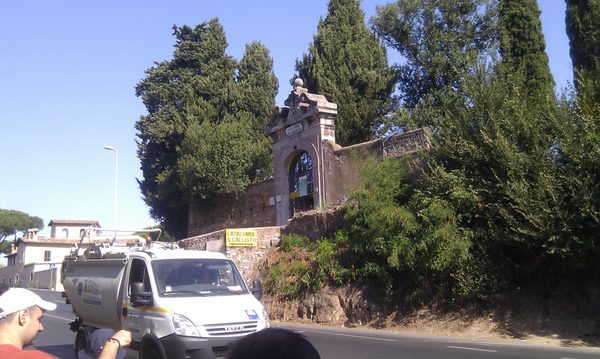
• Ways & How to Reach: Located at Via Appia Antica, 110. The most efficient transit is Bus 118 (from Metro B Colosseo or Circo Massimo) or Bus 218 (from San Giovanni), stopping directly at "Catacombe di San Callisto."
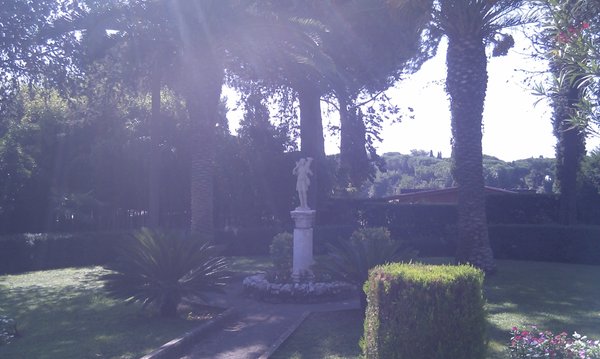
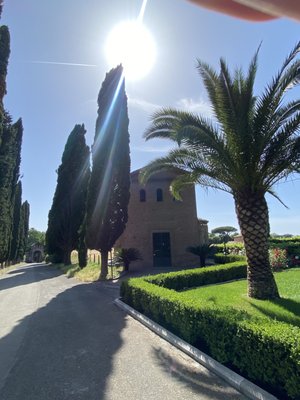
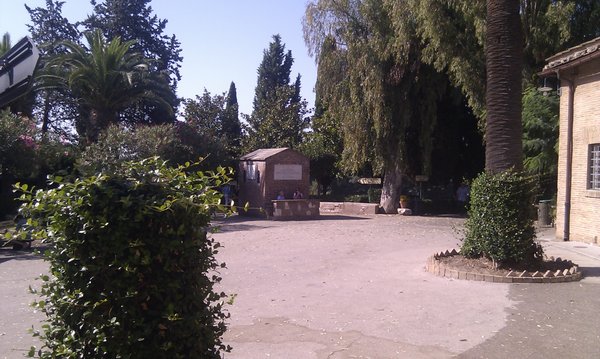
• Parking: A large, unpaved private parking area is available within the gated park grounds, accommodating cars and tour coaches free of charge during visiting hours.
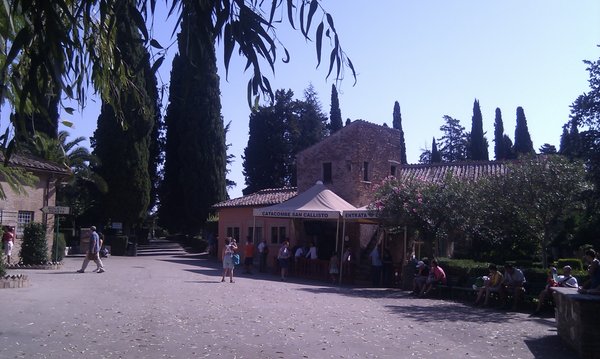
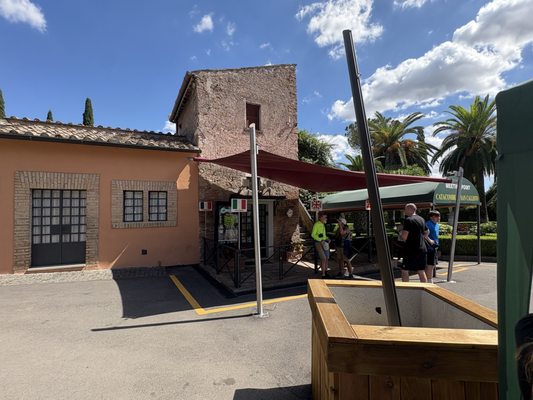
• Entrance & Ticket: Entry is strictly by guided tour (approx. 45 minutes). Tickets in 2026 are priced at €12 for adults and €7 for children. Tickets can be purchased at the on-site kiosk or pre-booked online to secure a specific language slot.
Atmosphere and Vibe
• Lighting & Decor: The tunnels are illuminated by dim, fixed electric lights to preserve the humidity levels and ancient frescoes. The "decor" is raw tuff stone carved with thousands of loculi (rectangular niches), creating a somber, monochromatic environment.
• Noise & Crowd Density: A respectful silence is strictly enforced. While the surface park is lively, the underground atmosphere is hushed and reverent. Crowd density is managed through staggered group departures, though the narrow corridors can feel claustrophobic during peak midday hours.
• Temperature: Regardless of the Roman summer, the tunnels maintain a constant, cool temperature of approximately 15°C (59°F).
Service, Quality, and Facilities
• Service Specifics: Tours are led by specialized religious and lay guides (Salesians of Don Bosco) in multiple languages, ensuring high-quality historical and theological accuracy.
• Facilities: A modern visitor center includes a well-stocked bookstore, a small cafeteria with outdoor seating, and high-capacity restroom facilities.
• Connectivity & Seating: There is no cellular reception or Wi-Fi underground. Above ground, mobile signals are strong. Seating is provided in the garden and waiting areas; however, there is virtually no seating during the 40-minute walking tour.