Seokjin H.
Google
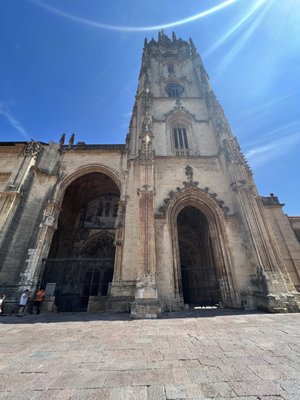
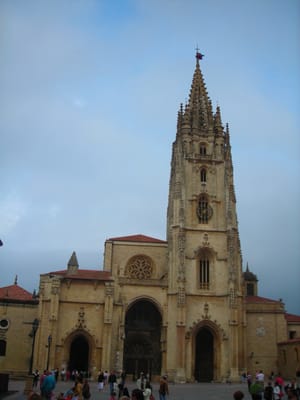
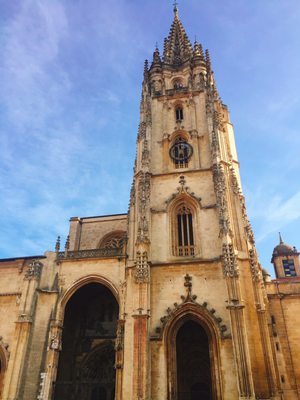
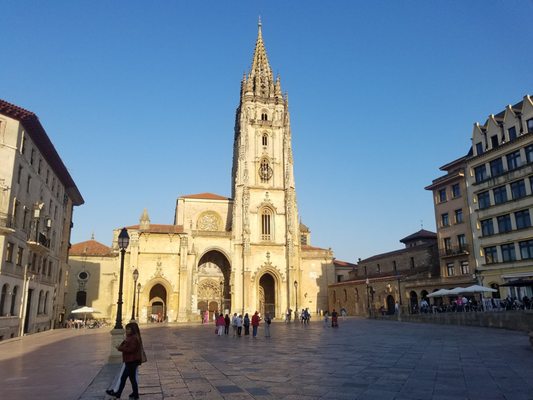
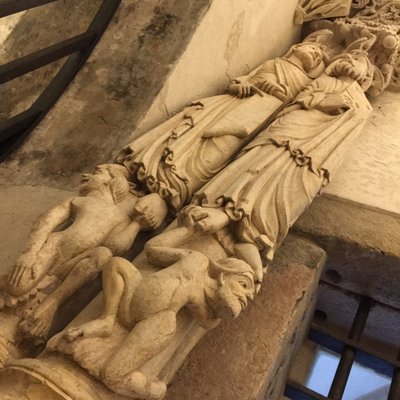
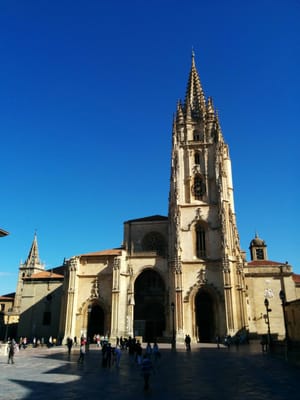
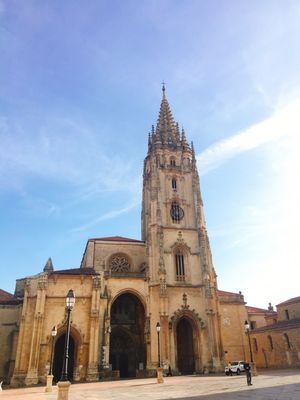
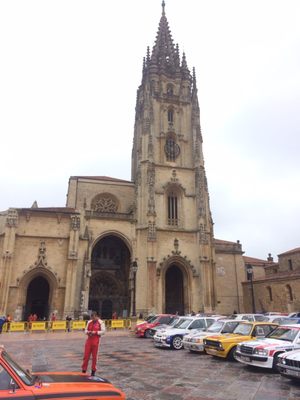
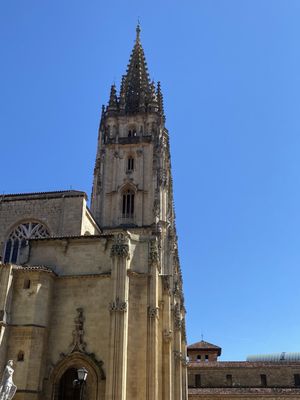
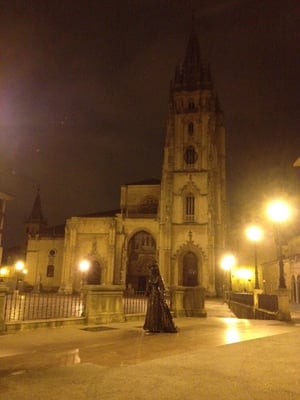
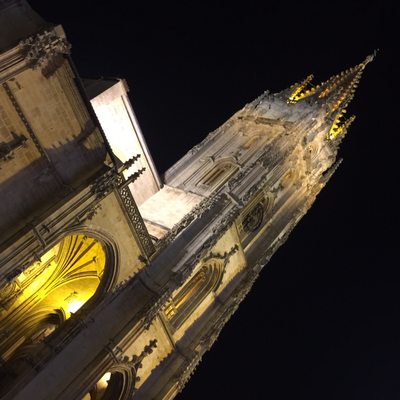
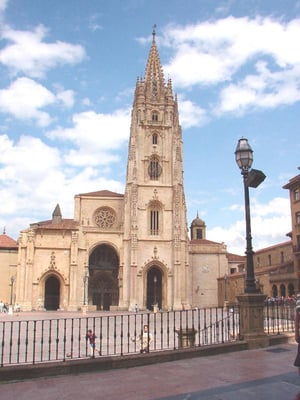
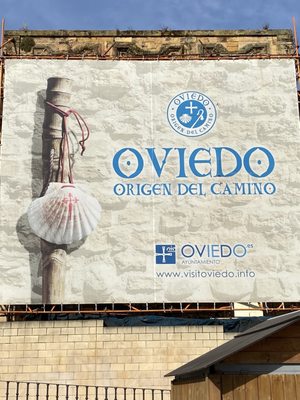
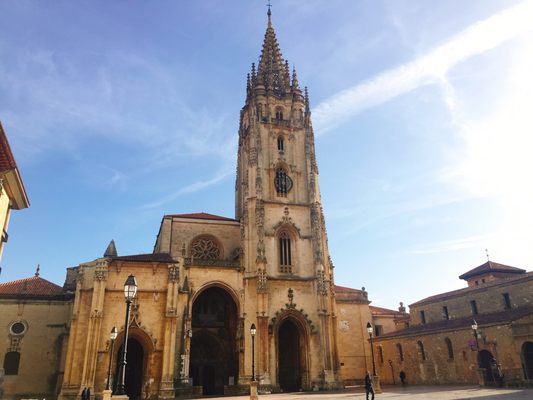
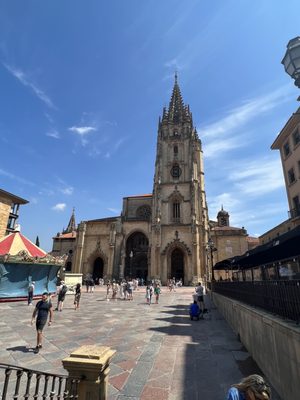
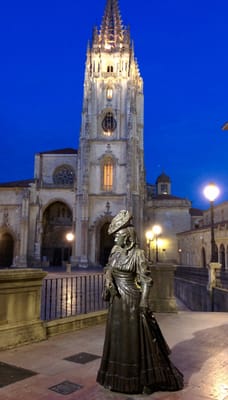
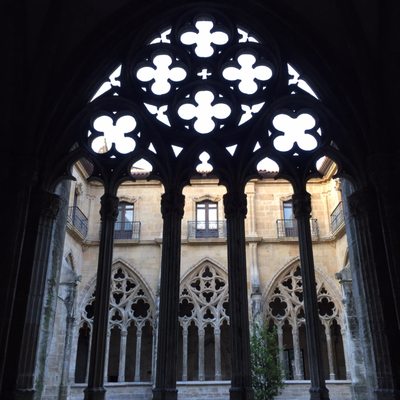
It is also known as Oviedo Cathedral. Established during the reign of Alfonso II el Casto, king of the Kingdom of Asturias, in the 9th century, the cathedral follows the Asturian Pre-Romanesque style, a distinctive architectural style that emerged in the region. Over the centuries, it underwent multiple expansions and reconstructions, resulting in a mix of architectural styles, with Gothic being the dominant style, alongside Romanesque, Baroque, and Renaissance elements. The cathedral's bell tower, reaching a height of 80 meters, is one of the key features of Gothic architecture. There is a saying, "He who does not visit Oviedo before going to Santiago is a fool," emphasizing the cathedral's deep connection to the Camino de Santiago (Way of St. James), making it an important stop for many pilgrims. Inside, the cathedral houses the Cámara Santa (Holy Chamber), one of Spain's most important repositories for Christian relics. The chamber holds sacred relics, including the Cruz de la Victoria (Cross of the Victory), the Cruz de los Ángeles (Cross of the Angels), and the Santo Sudario (Holy Shroud). In addition to its religious significance, the cathedral also served as the royal mausoleum of the Kings of Asturias, further highlighting its importance in the history of the region.