Denny B.
Yelp
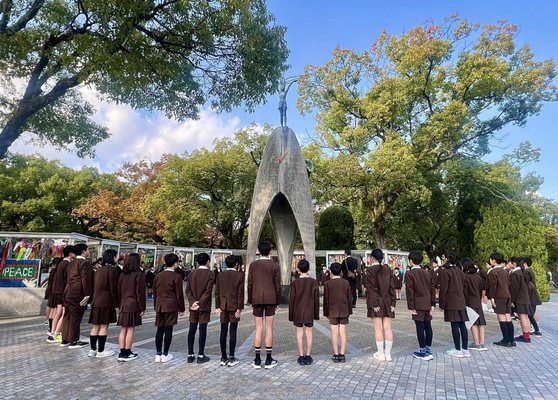
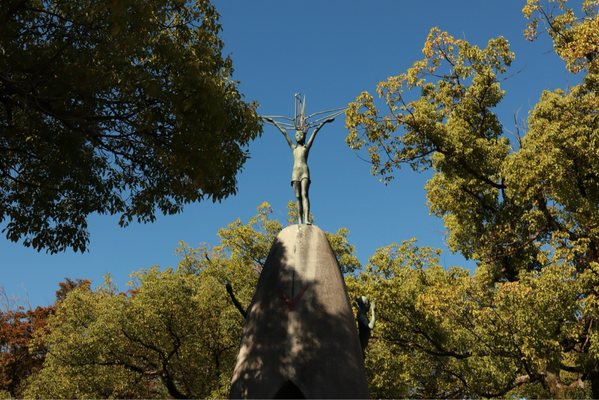
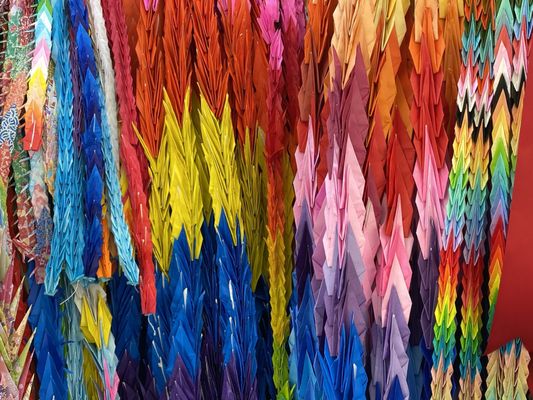
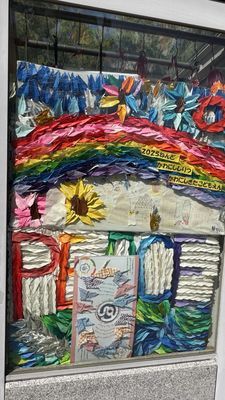
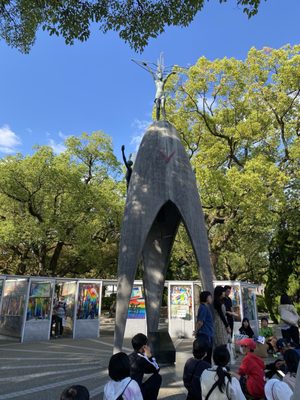
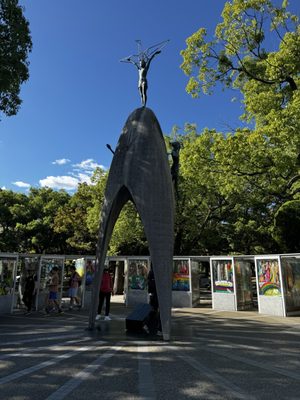
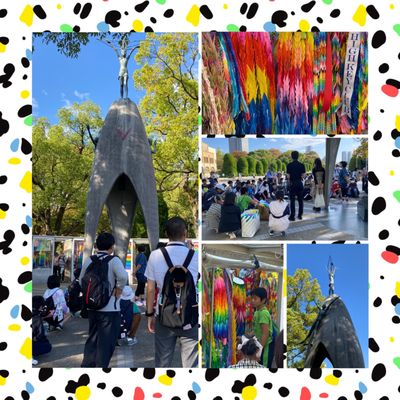
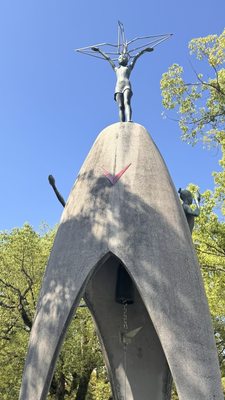
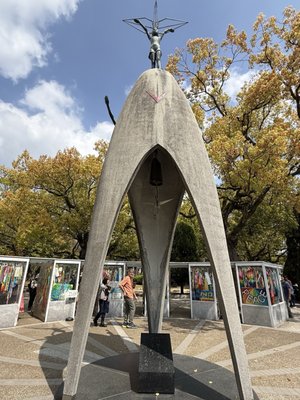
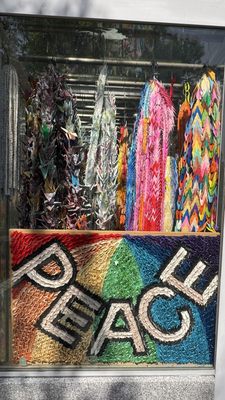
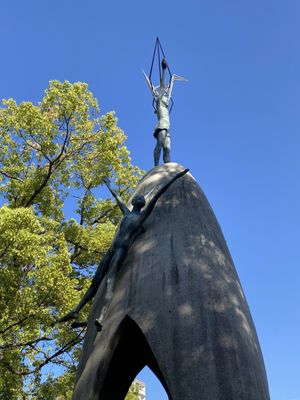
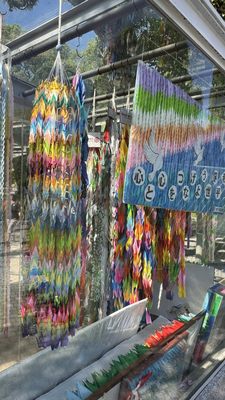
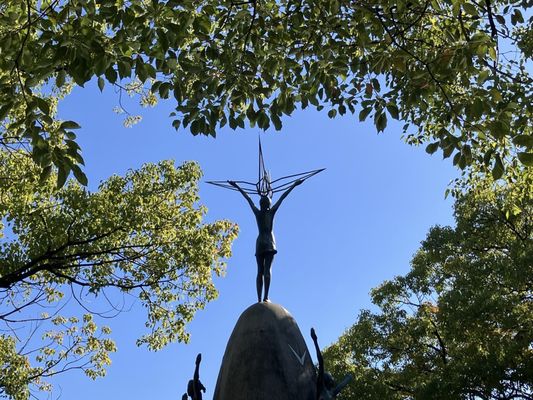
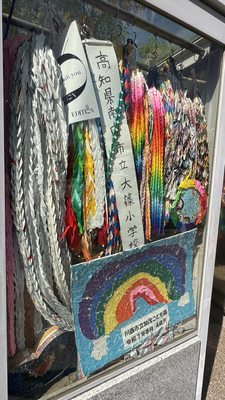
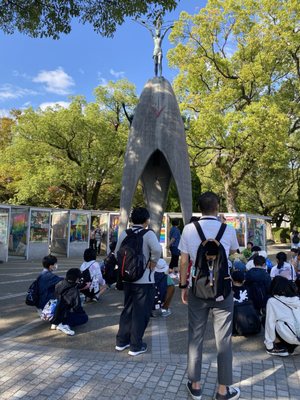
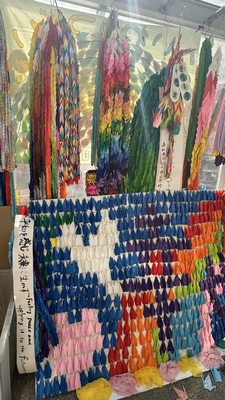
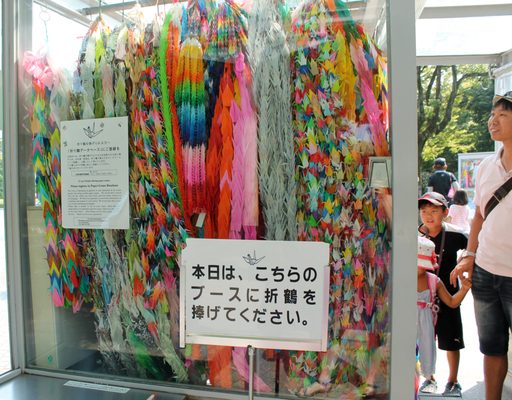
Memorial to children who died due to the 1945 atomic bombing, surrounded by paper cranes. After her death, friends of Sasaki Sasako and schoolmates published a collection of letters in order to raise funds to build a memorial to her and all of the children who had died from the effects of the atomic bomb, including another Japanese girl Yoko Moriwaki.
Sadako Sasaki (became the most widely known hibakusha - a Japanese term meaning "bomb-affected person") was at home when the explosion occurred, about 1 mile away from ground zero. She was blown out of the window and her mother ran out to find her, suspecting she may be dead, but instead finding her two-year-old daughter alive with no apparent injuries. While they were fleeing, Sasaki and her mother were caught in black rain.
Sasaki's father, Shigeo, told her the legend of the cranes and she set herself a goal of folding 1,000 of them, which was believed to grant the folder a wish. Although she had plenty of free time during her days in the hospital, Sasaki lacked paper, so she used medicine wrappings and whatever else she could scrounge; including going to other patients' rooms to ask for the paper from their get-well presents. Her best friend, Chizuko Hamamoto, also brought paper from school for Sasaki to use. By the end of August 1955, two months before her death from leukemia, Sasaki had achieved her goal and continued to fold 300 more cranes for Sadako's older brother, Masahiro Sasaki.
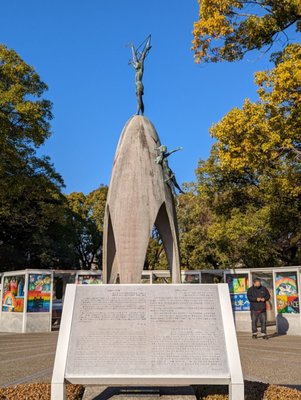
In 1958, a statue of Sasaki holding a golden crane was unveiled in the Hiroshima Peace Memorial Park.
At the foot of the statue is a plaque that reads: "This is our cry. This is our prayer. Peace in the world."
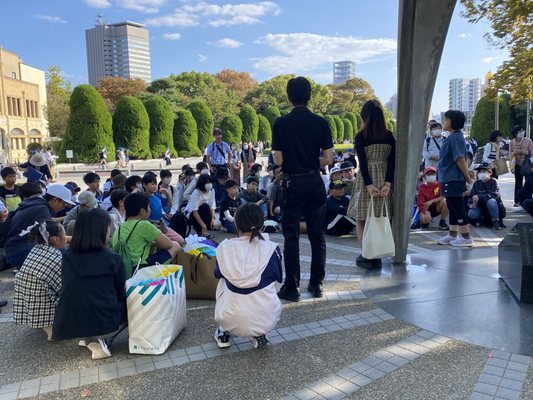
For excellent guides for the day, contact Triple Lights tour company for all over Japan. Just run a web search for that name. Request Michiru Azuma or Yuko for your Hiroshima tour guide, whichever are available.