Nanita
Google
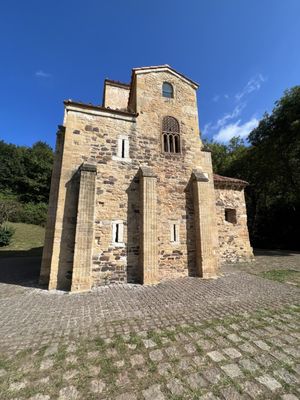
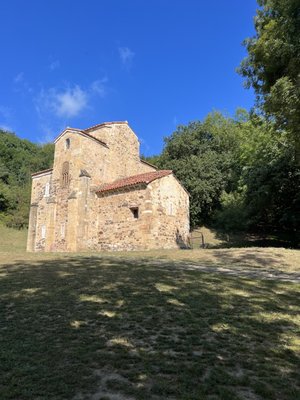
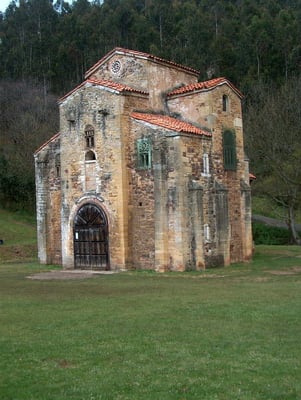
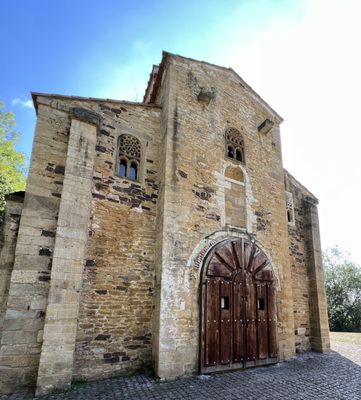
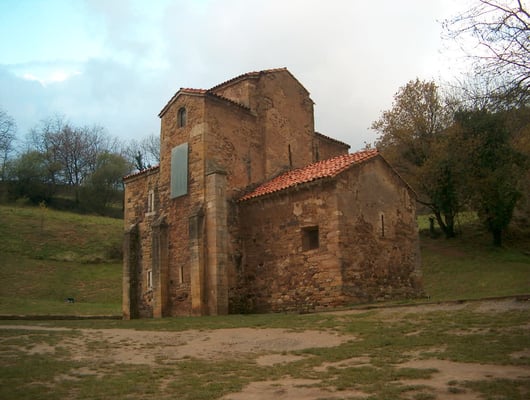
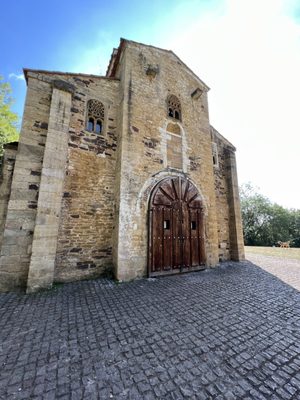
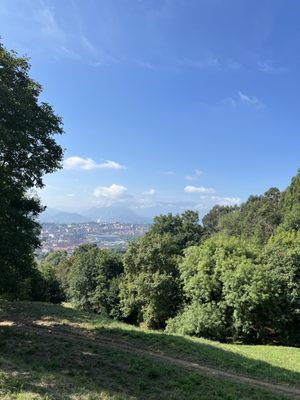
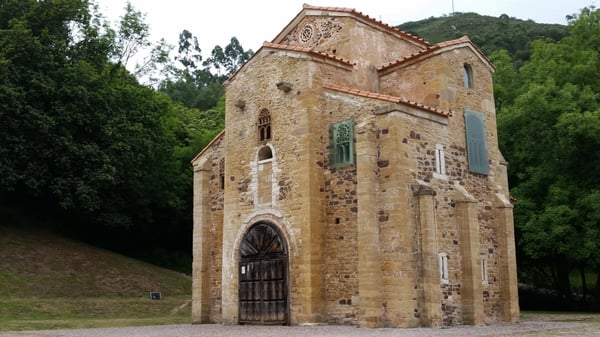
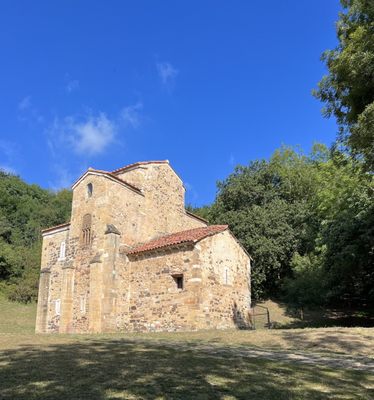
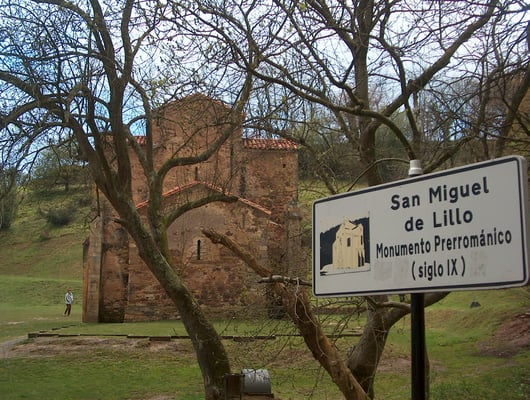
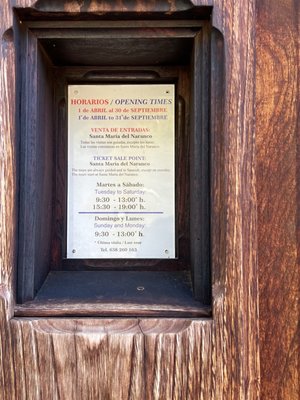
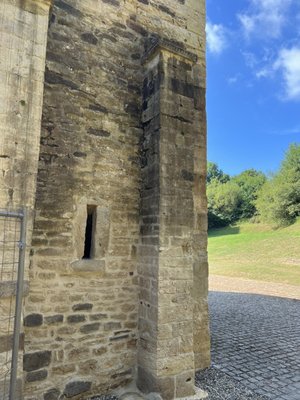
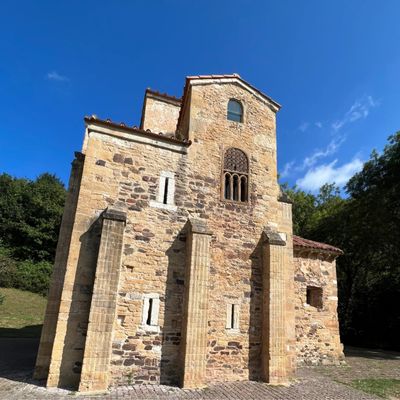
Known as “Samiguel de Lliño” in the local dialect, Iglesia San Miguel de Lillo was built in the mid-800s. This historic church, which is a UNESCO world heritage site due to its pre-Romanesque architecture & history, can be visited in conjunction with guided tours of the neighboring church / palace Iglesia Santa Maria del Naranco (€4 entrance fee for guided tour of both churches that lasts 30 to 45 minutes). It is a small church that has intricate carvings similar to the ones at the neighboring church and also has remains of a mural that depict shapes and humans. Photography is not permitted inside the church and carrying bags / backpacks (anything that can accidentally touch the walls) is discouraged. The walk from Iglesia Santa Maria del Naranco is less than five minutes; the walk from the center of Oviedo is approximately an hour - there are nice views of the city if you walk up though it is possible to drive.