Eric B.
Yelp
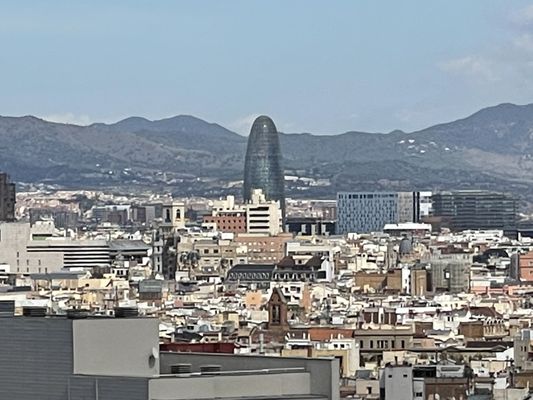
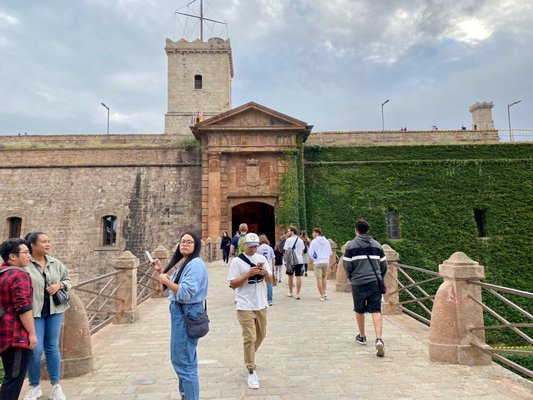
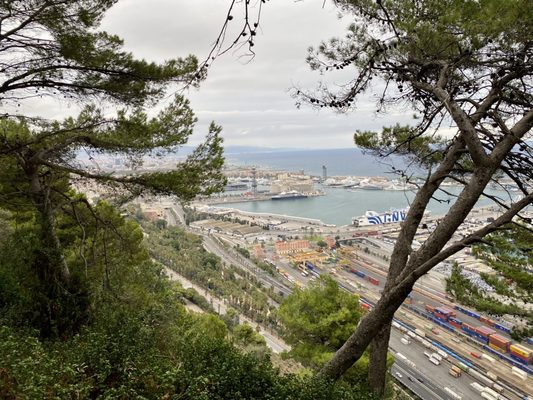
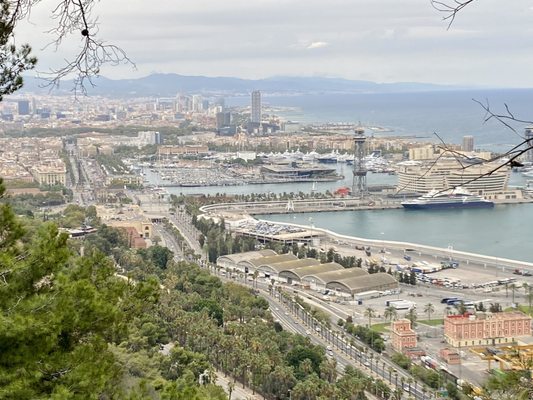
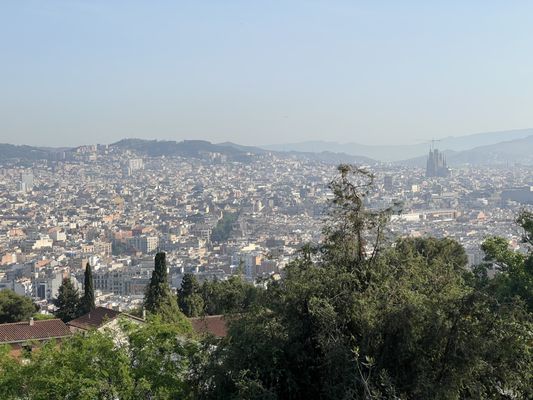
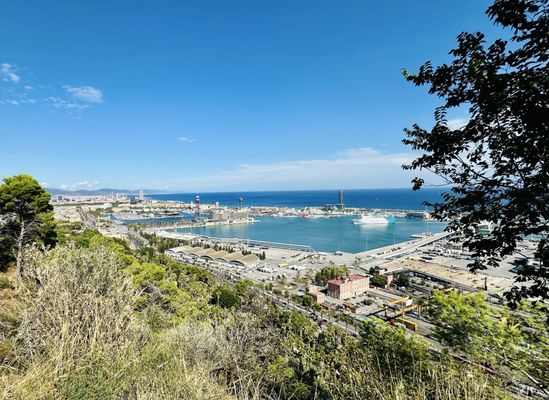
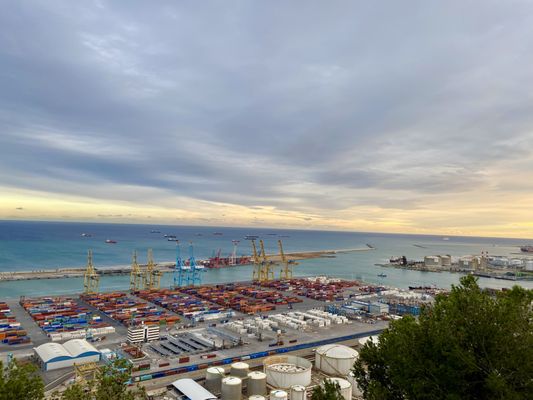
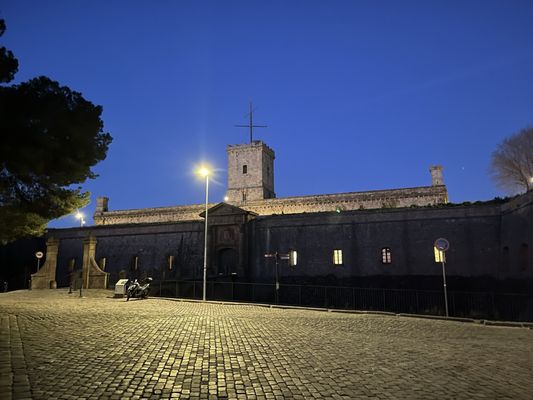
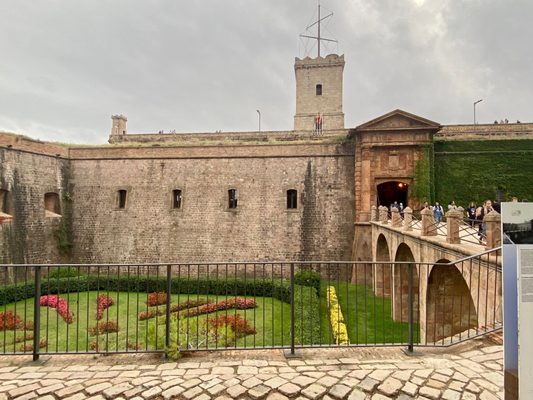
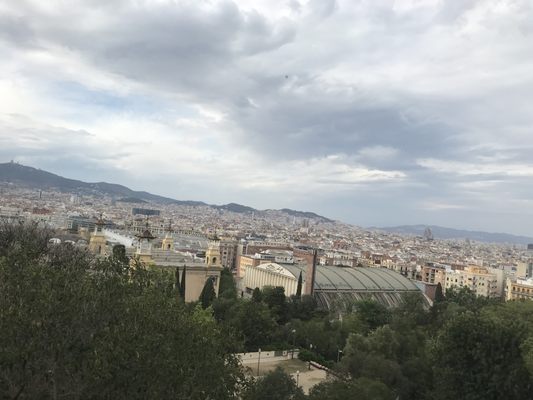
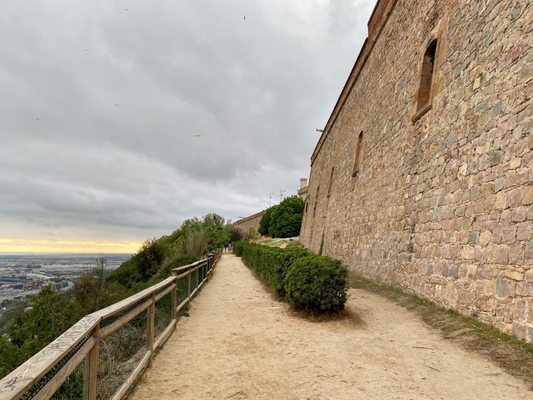
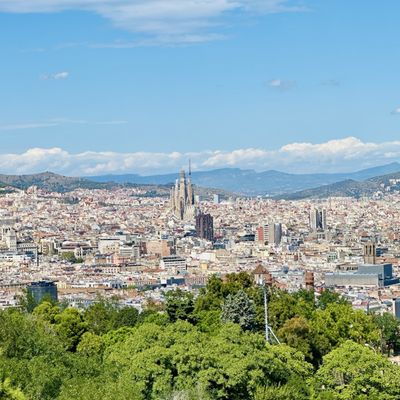
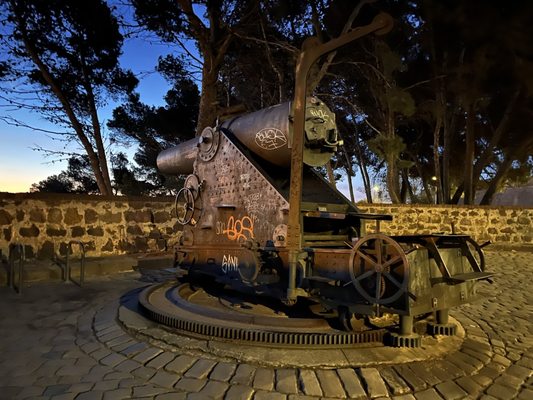
Montjuïc is translated as 'Jew Hill' in medieval Catalan, or is perhaps related to the Latin phrase Mons Jovicus ('Hill of Jupiter'). Barcelona's Montjuïc is a broad shallow hill, of which eastern side is almost a sheer cliff, giving it a commanding view over the City's harbour immediately below. The top of the hill was the site of several fortifications, the latest of which (the Castell de Montjuïc) remains today. The Castell once served as a prison and on different occasions during the Spanish Civil War, both Nationalists and Republicans were executed there, each at the time when the site was held by their opponents. The Franco regime continued the tradition.
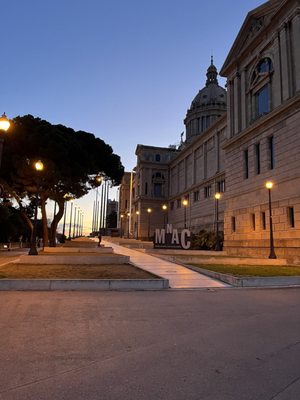
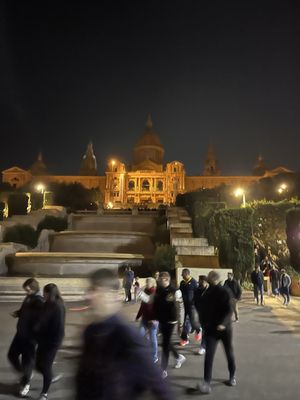
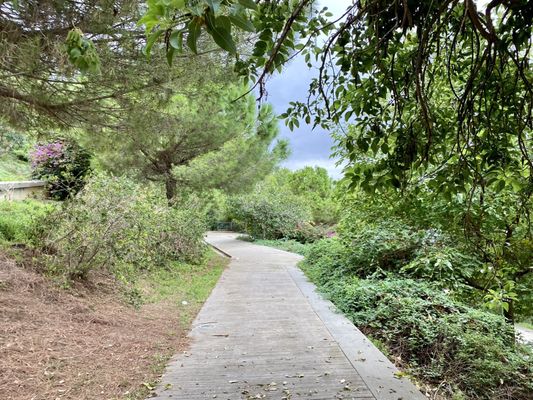
Naturally wooded, the slopes of the Montjuïc were traditionally used to grow food and graze animals by the people of the neighbouring Ciutat Vella. In the 1890s, the forests were partially cleared, opening space for parklands. The site was selected to host the 1929 International Exposition (a World's Fair), for which the first large-scale construction on the hill began. The surviving buildings from this effort include the grand Palau Nacional, the Estadi Olímpic (Olympic stadium), the ornate Font Màgica fountains, and a grand staircase leading up from the foot of Montjuïc. The Poble Espanyol, a "Spanish village" of different buildings built in different styles of Spanish architecture, also survives. The roads in the slopes facing the city were also once the Montjuïc circuit Formula One racing circuit, hosting the Spanish Grand Prix on four occasions.
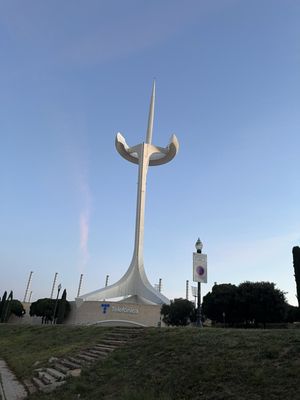
The 1992 Summer Olympics were centered here and during our bus ride through, Gayle and I saw not only the Estadi Olímpic (with a large family event going on inside), but also the Anella Olímpica (the "Olympic Ring") of sporting venuesm including the Palau Sant Jordiindoor arena, the Institut Nacional d'Educació Física de Catalunya, a centre of sports science; the Piscines Bernat Picornell and the Piscina Municipal de Montjuïc, the venues for swimming and diving events respectively. We also admired the striking telecommunications tower, designed by the architect Santiago Calatrava.
Also represented on Montjuïc are Plaça d'Espanya, the Museu Nacional d'Art de Catalunya (located at the Palau National), the Joan Miró Museum, the Funicular de Montjuïc, the Miramar Gardens, the Port Veil Aerial Tramway, and much more. Unfortunately, our visit was pretty much limited to taking the Bus Turistic through a few times, taking pictures from there, and arriving at the Joan Miró Museum just before it closed early on Sunday Afternoon. If there is a next time...