Laura R.
Yelp
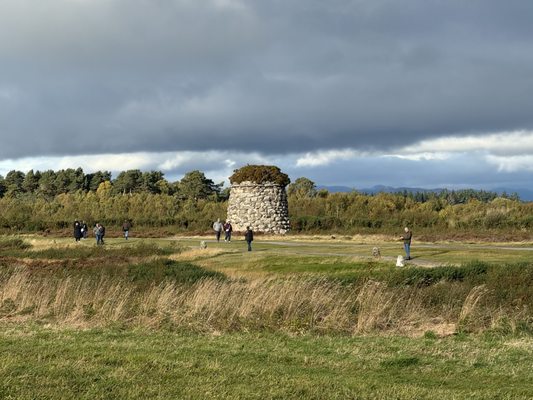
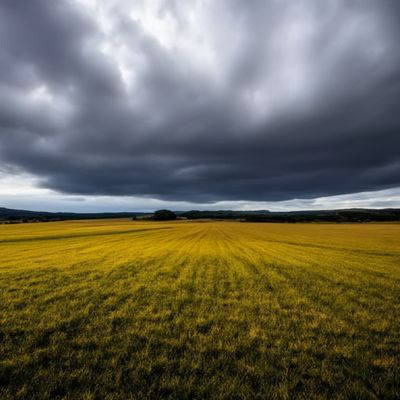
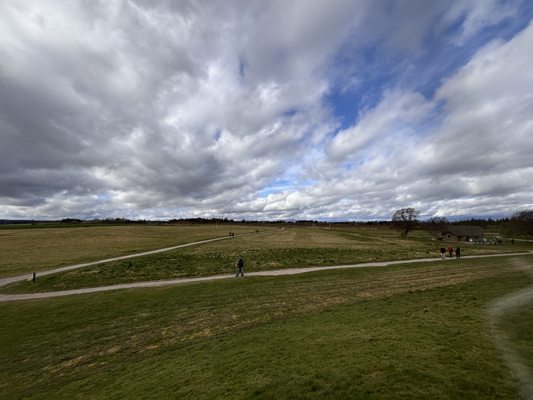
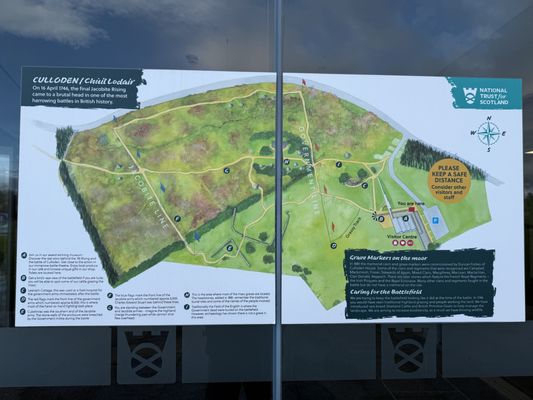
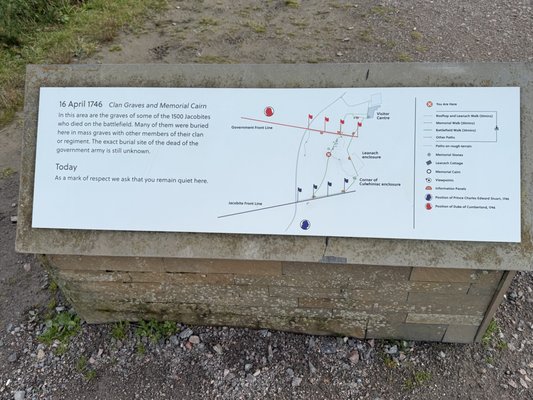
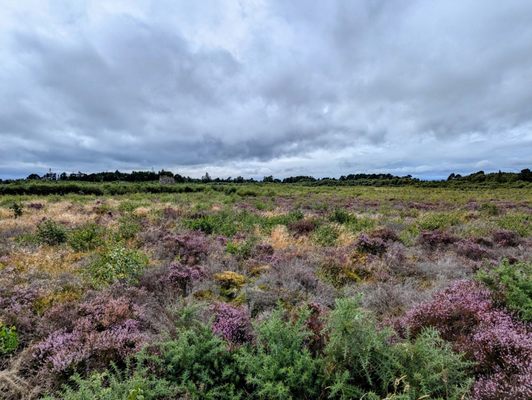
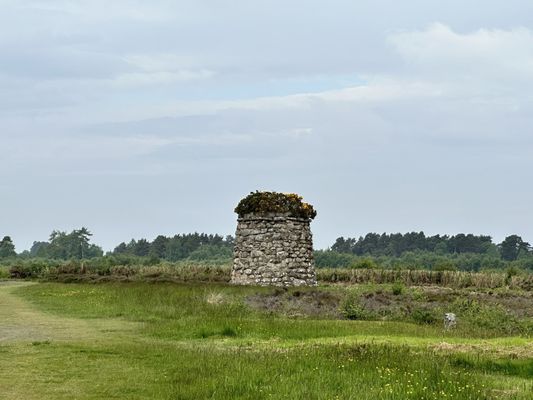
As we followed the guide down a path, she talked about how the grave markers are approximations. Two flags are pitched in the moor from each starting point, one designating the Jacobites and the other the English. It's really interesting to come here knowing a bit of the history (thanks to Outlander, I gotta admit) that's filled in by the tour guides. The moor as we see it now is not exactly what they experienced on the battlefield that day, and they are slowly getting it back to how it was. While largely the same, a lot of wildflowers and heather has overtaken the moor; plus it's considerably dryer now. The tour guide expressed that they will be continually working on shaping it to a more accurate representation.
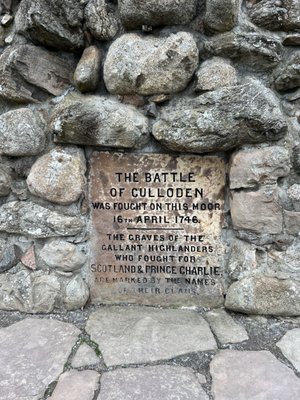
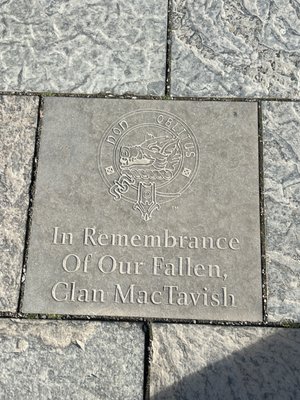
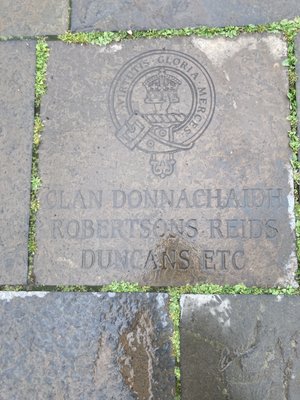
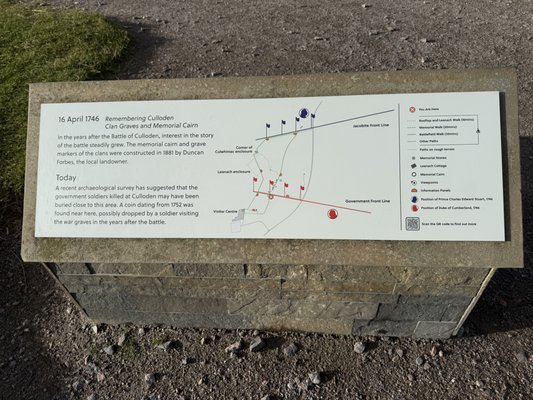
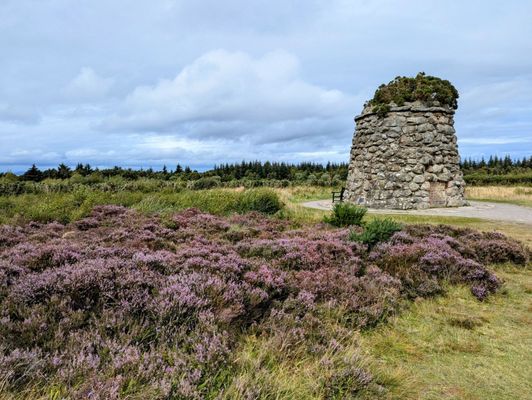
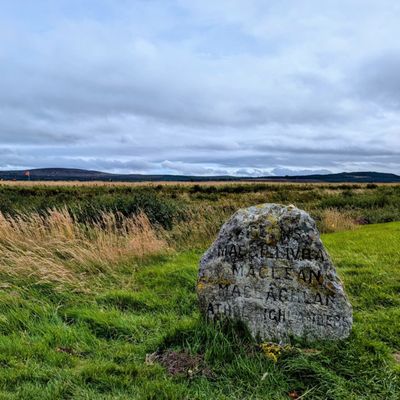
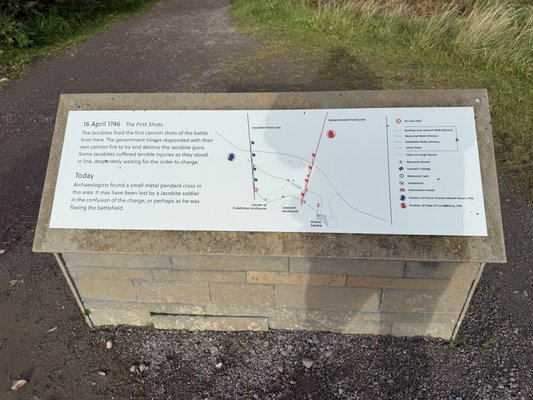
There are still noticeable mounds in the earth where mass graves are marked, and they are pretty obvious. The markers that we see today were erected in 1881 by Duncan Forbes, while the battle happened in 1746. Needless to say, it makes sense that estimates were used. (The tour DOES stop at the Fraser stone, if you're an Outlander fan.) Interspersed throughout the clan markers are "mixed clan" markers, as well as larger, squared stoned that list the numbers of men the clans gave for the cause, and also informational plaques. One such plaque was set before a large open field: "Around here, the Jacobites began to fire their muskets and gather speed as they charged at the government army, yelling and shouting. Today: Archeologists have found items here relating to artillery, suggesting that the Jacobites were pounded by numerous rounds of canister shot-cans full of musket balls or grapeshot-fired from, government guns."
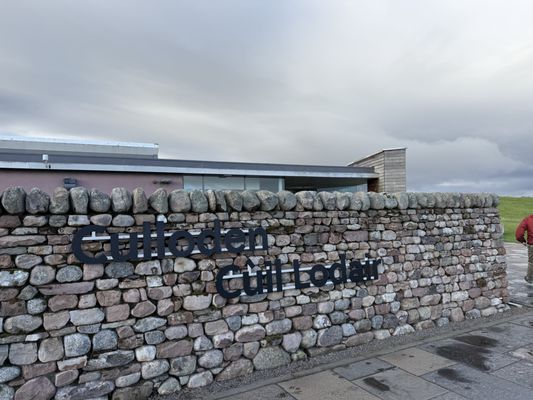
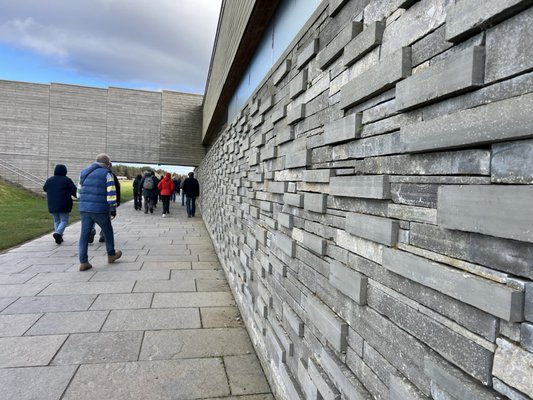
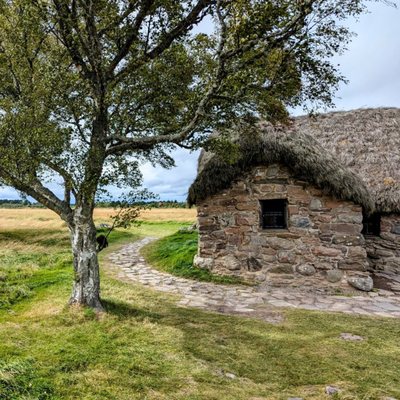
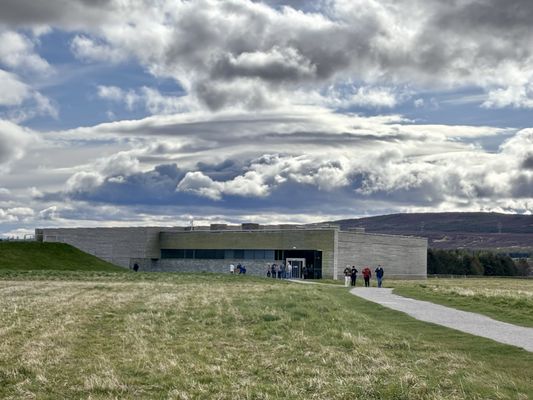
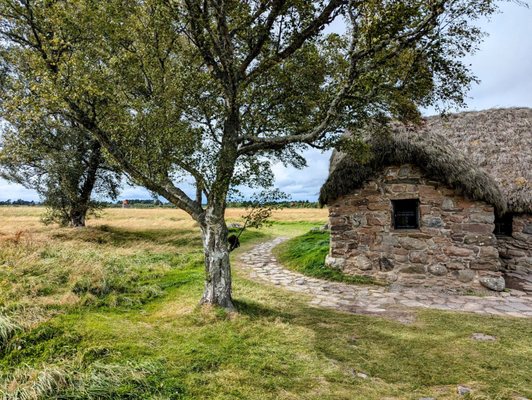
The tour concluded at a small, thatched cottage (Leanach Cottage). It was here that one of the battle's first causalities took place: a cannon ball ripped through the roof. The little cottage was the first Visitor's Center, so you see from the new behemoth of a center how far this place has come. A part of the Visitor Center's walls are constructed with slate gray bricks, each one signifying a fallen man.
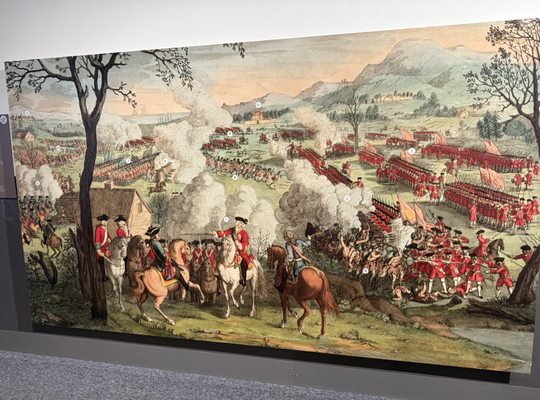
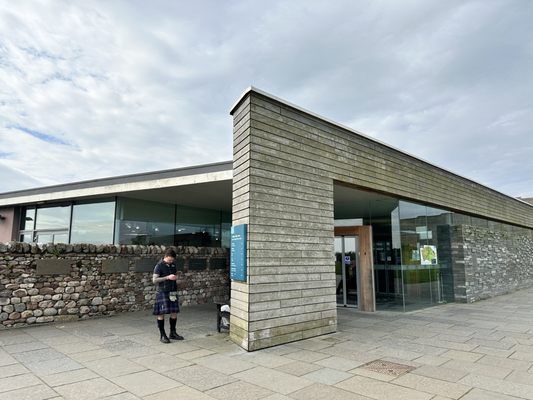
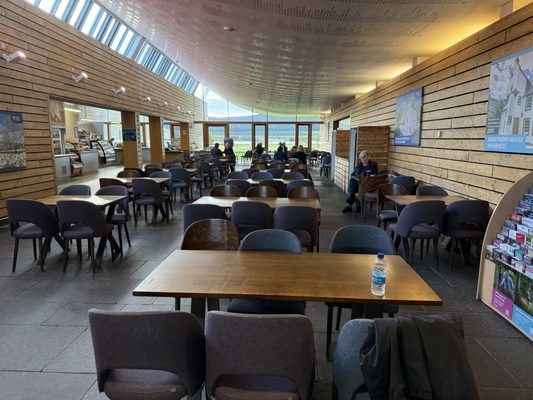
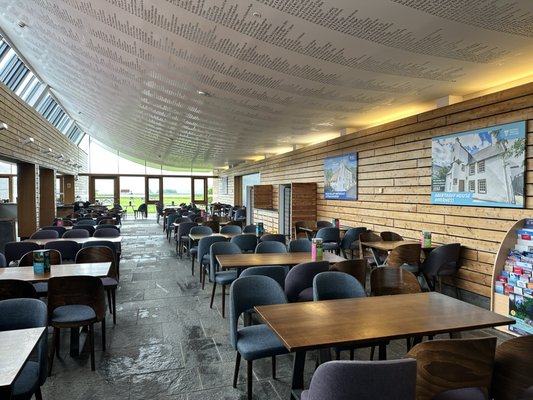
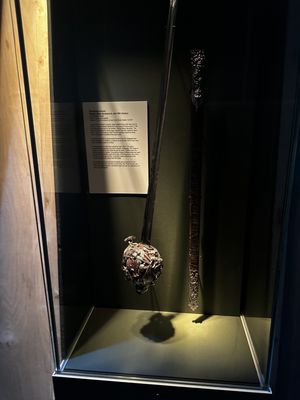
The Visitor's Center is large, with a bunch of exhibits. It's a mix of the old world and the new. You'll find projected 3-D text on glass screens in one corner, and original letters written in Charles Edward Stuart's own hand in another. Immersive sound exhibits, not to mention regalia from the battle set behind glass (including muskets and garb). A brutal re-enactment video projects all around you in one room. It's one thing to wander a field full of sunshine and heather, and another to see a scene projected around you, hearing the screams of dying men, blood splattering, muskets exploding, and the sheer chaos of it. It made my eyes prickle.
PROS:
-Competent, knowledgeable tour guides who are passionate and good on their toes to answer questions. (The tour is free, but please tip your tour guides because they are awesome.)
-It's nearby Clava Cairns, which is the alleged inspiration for Diana Gabaldon's Outlander series. Specifically, the standing stones that Claire Freaser uses to pass through.
-Also near downtown Inverness, so we were able to drive here in about 15 minutes.
-Newly renovated Visitor's Center is spacious, with a ton of interactive exhibits, as well as weapons, clothes, and letters from that time period.
NEUTRAL:
-It was about £11-12 which was a bit pricey on top of paying for parking, but hey it goes to the National Trust for Scotland, so it's hopefully going to the upkeep of such an historic place.
CONS:
-Parking is a few pounds here, so be aware of that when you pull into the lot (not included in the ticket price).
THE VERDICT:
Though it's been a while since we were here, I remember this experience well. We were up early (9:30am) to check out the battlefield, and it was a seriously beautiful day. It was interesting and informative, and the free tour is a must. I was surprised to see a plaque commemorating my ancestors here: the Clan Donald Memorial, erected by the "Clan Donald Society to honour all MacDonalds killed at Culloden and in the battle elsewhere." Which I hastily applied some flowers to, feeling a mixture of surprise and... Er.. well, pride kind of, that my relatives fought for something they believed in. It was the end of so many of them, but they died and fought for their convictions, or perhaps loyally following their laird's orders because they trusted him... Rebellion runs in my family, and that's something I feel some sort of way about.
MY TIME:
We spent about two hours here (+30-40 minutes for the queue and parking/paying), including the guided tour, our own exploration of the museum, and our own exploration of the fields after the tour guide. We were able to slip in and join the tour about 15 minutes after it had just started, but I definitely recommend checking the tour times with when you want to arrive.
TIPS:
It's a large, open field, so make sure to wear comfortable shoes and sunscreen.