"Dating back to 1315, Daitoku-ji is a massive complex covering almost 60 acres with several dozen temples—an excellent place to see a variety of Zen gardens and architectural styles and deeply linked to the Japanese tea ceremony as many noteworthy masters studied here." - Matthew Kepnes
The Beautiful Temples and Gardens of Kyoto (Updated 2025)
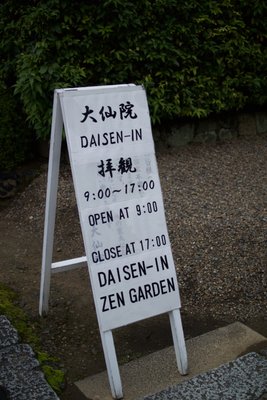
"Spanning almost 60 acres, the Daitoku-ji temple complex dates back to 1315 CE; although the original was damaged by fire in the 15th century, it was rebuilt in 1474. The temple's history is deeply linked to the Japanese tea ceremony, as several of the country's most noteworthy tea masters studied there. It's open daily from 9am–4:30pm and admission is 400 JPY." - Matthew Kepnes
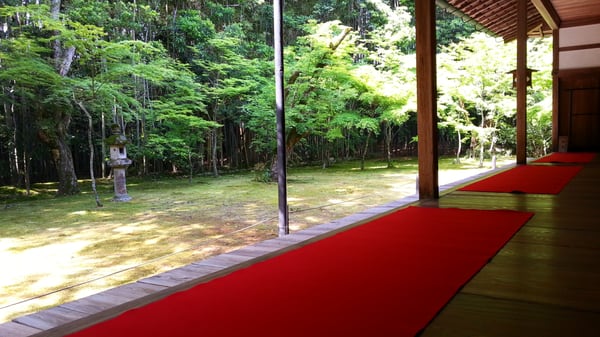
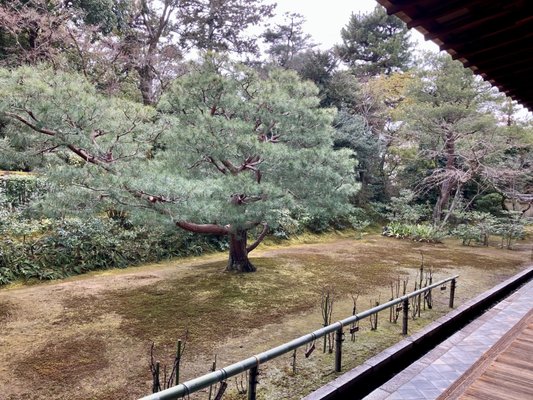
Overall, the gardens at Daitoku-ji reward slow observation rather than quick snapshots. Their power lies in quiet geometry, seasonal nuance, and centuries-old craftsmanship — a peaceful contrast to Kyoto’s more crowded sites. If you give yourself even a few minutes of silence beside one of these gardens, you’ll notice how space and simplicity shift your mood.
Christine R.
Google
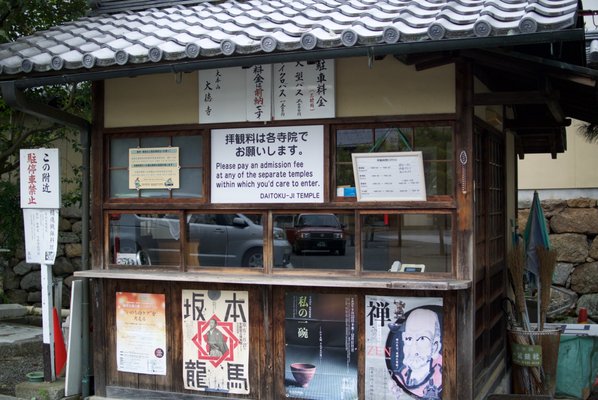
Awesome place to visit. Easy to get to from Kyoto station...subway train then a short bus ride all well sign posted. You pay for each area you visit within the temple. If you love zen gardens this is the place. Don't miss the smallest zen garden. It was very quiet as I think not on the main trail of tourist places.
Fearocious
Google
Peaceful and relaxing visit. We only had 2 hours to visit which was unfortunate. To really enjoy the various temples and take it all in, I recommend about 4 hours or more. This would give more time to relax, experience the ambiance and reflection.
Fabrice on the A.
Google
Free entrance in the city, almost nobody in the streets. The bonsai garden is small but impressive, considering the age of the bonsai, up to 800 years !
Clarisse B.
Google
This place gave much needed serenity after battling the crowds at the other tourist spots. You pay to get into the few open temples but it was so calm and peaceful, so zen. One of my fave visits.
Stefan Odd G.
Google
Very big palace complex with 4 temples you have have to pay if you want to see them. Not many tourist came here but it was worth it
Alessandro B.
Google
We did not visit the gardens because it was unfortunately too late when we got there but the entire area was by itself just worth the visit.
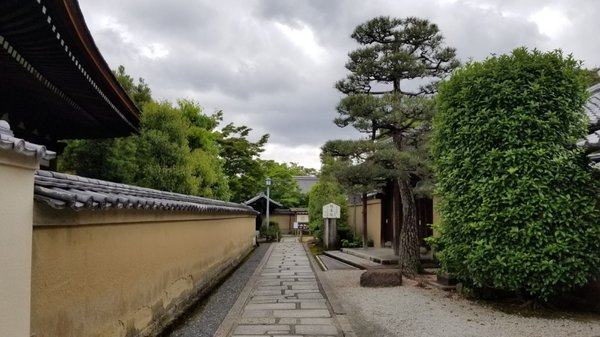
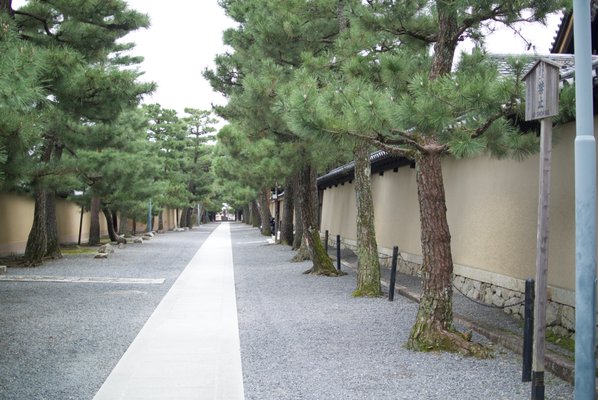
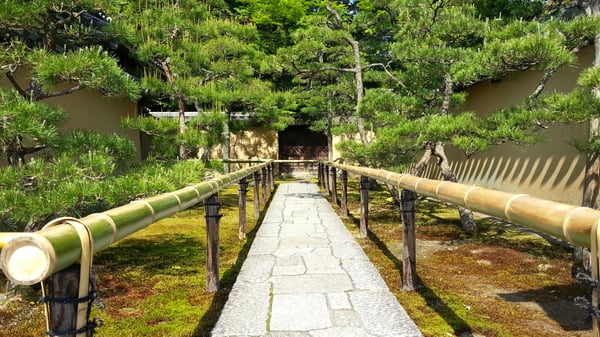
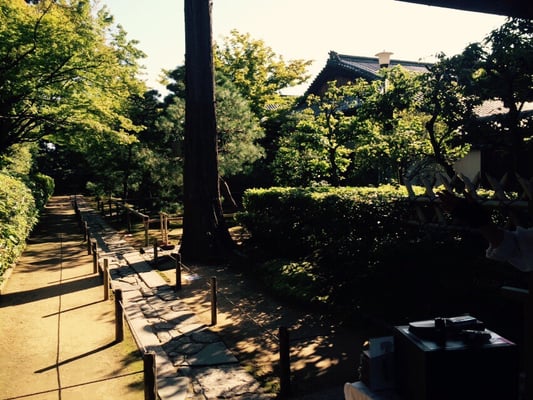
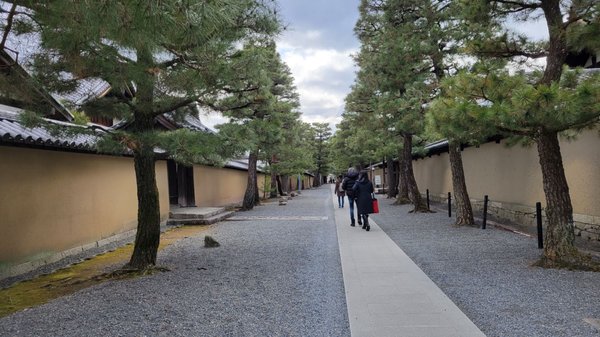
There is such a sense of peace when walking the paved alleys of the Daitoku-ji Temple and the many buildings scattered around are just so beautiful.
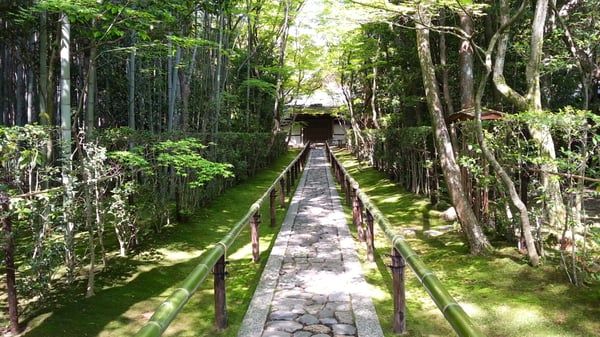
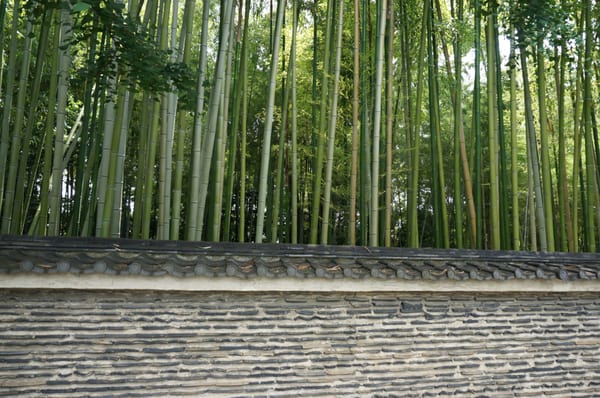
There was also a gated area with big bamboo, unfortunately it was closed but if you have a chance it looked formidable from its entrance.
Overall I would definitely recommend coming here with more time at your disposal so that you can also visit the bonsai and zen gardens (which you will be able to access for a fee).
Joe H.
Google
Beautiful and serene temple in Kyoto, you also can join Zazen Meditation session in the weekend evening at 16.30-17.30 and it only ¥1000 (incl tea ceremony after zazen)
Saaya B.
Yelp
You can experience Zazen( literally means seated meditation) here! Zazen would make you ponder about your daily life.
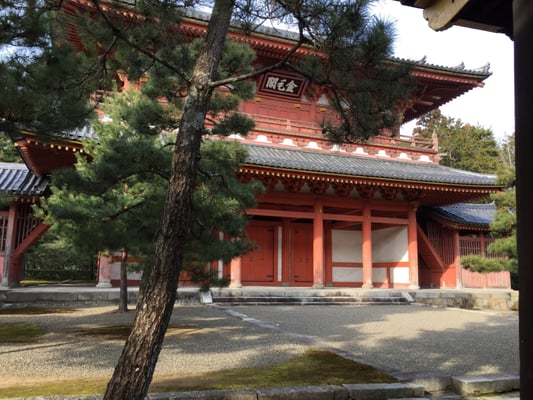
Daitoku temple (大徳寺) is a large walled temple complex in north of Kyoto. In the precinct, this complex consists of around 25 sub-temples. Here is absolutely one of the great places in Japan where you can see a large variety of Zen gardens and to experience Japanese Zen culture and architecture.
We walked passed through Imamiya Shrine and had Aburimochi (a kind of snack), we walked down to Daitoku temple. Bamboo grove in here was awesome! Not the same as one in Arashiyama.
Daitokuji has existed since 1319 but during the Onin War these construction received damage so much. After the reconstruction, the temple became a center of the tea ceremony. Do you know Sen-no Rikyu? He was a master of the Japanese tea ceremony and here is associated with him.
Here is good place to experience Zen!
Brian R.
Yelp
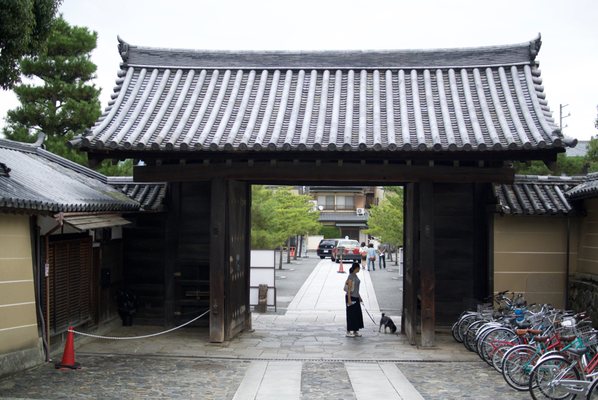
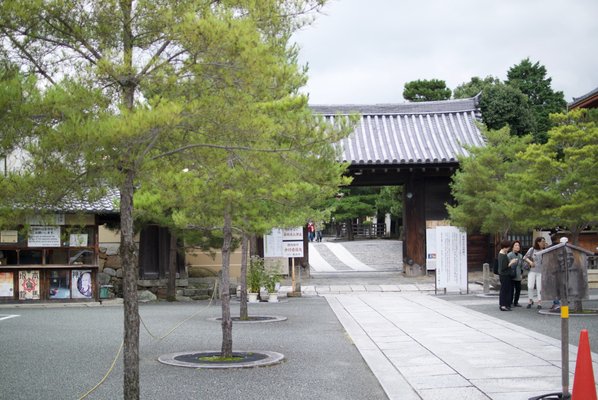
Daitoku-ji is a large, walled complex, with dozens of individual temples, amid beautiful gardens. Due to the walls, there are 4 specific entrances, at the north, south, east, and west.
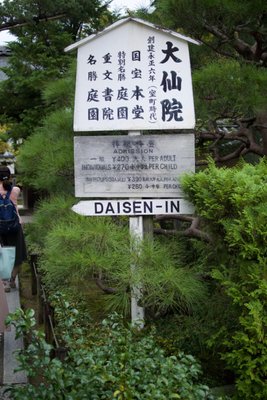
Admission into the grounds is free. Some temples have nominal fees.