Domus Aurea
Archaeological museum · Monti ·
Subterranean palace of Nero with VR, frescoes, & guided tours














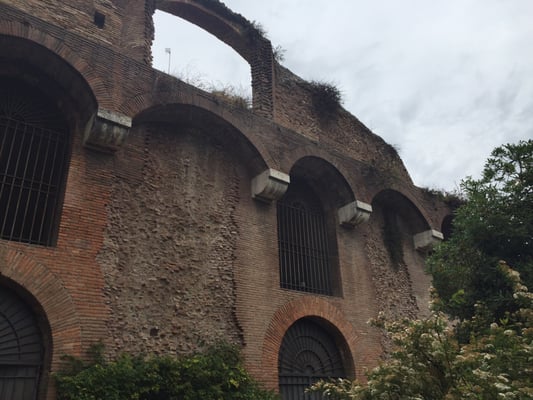
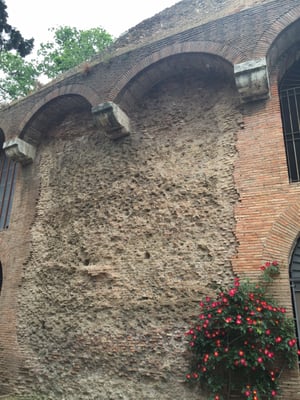


Subterranean palace of Nero with VR, frescoes, & guided tours
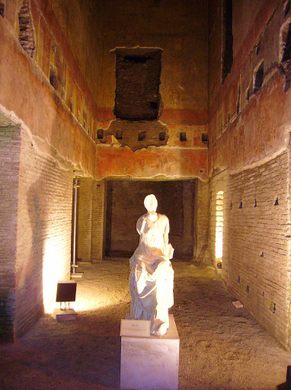
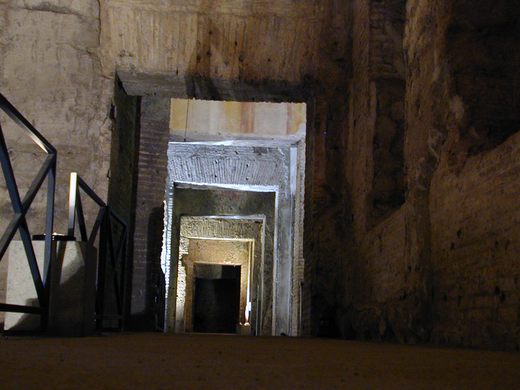
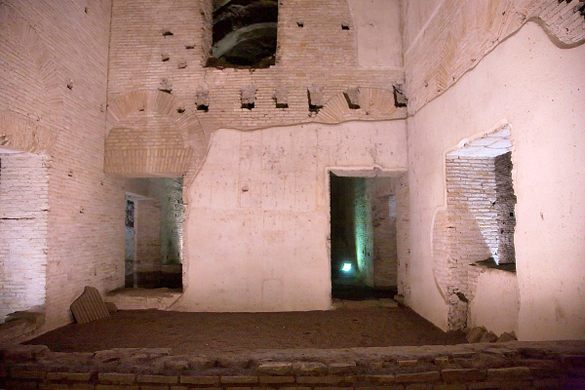
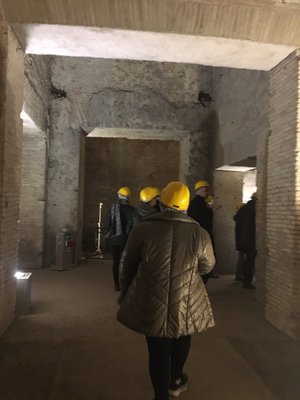
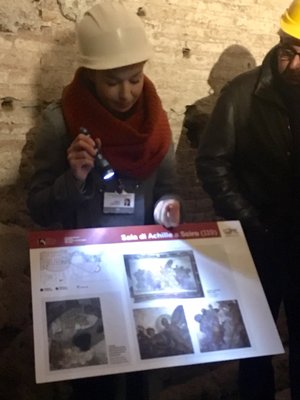
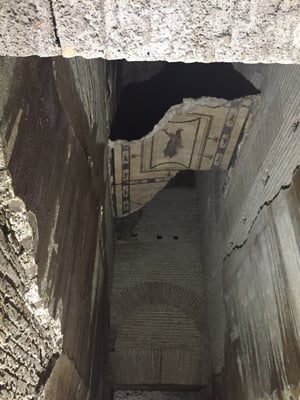
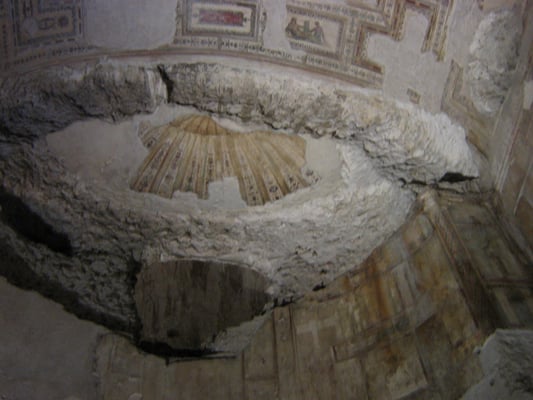
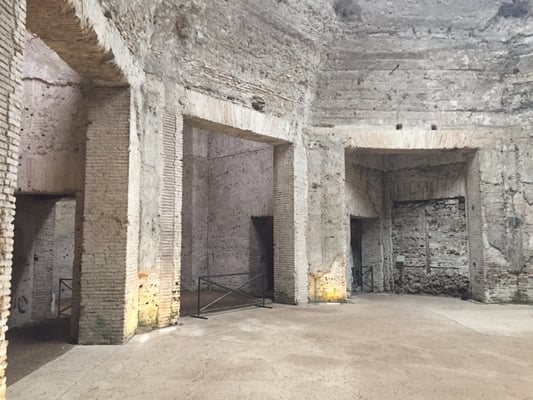
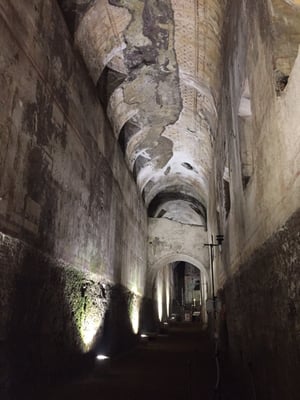
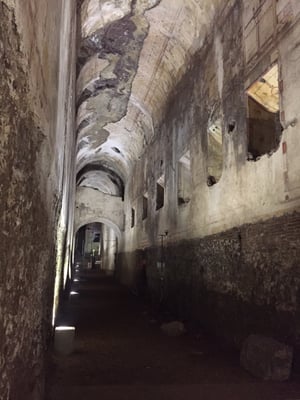
"A sprawling palatial pavilion built by emperor Nero in the 1st century that will blow you away with the design taste and command of concrete and space on display. You can only visit on weekends—the site's under restoration during the week—but admission includes a guided tour. Ours was led by an archeologist who not only worked on the site but was totally obsessed with it; the passion made for a terrific tour. Try your luck." - Katie Parla, Maresa Manara

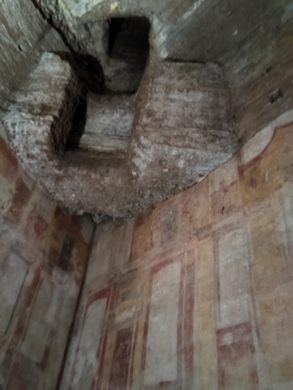
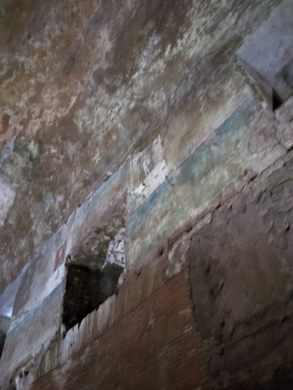
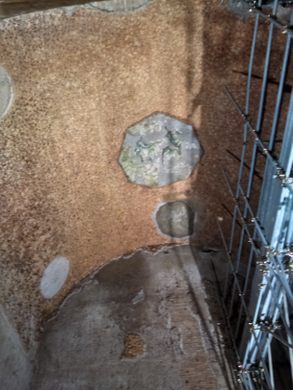
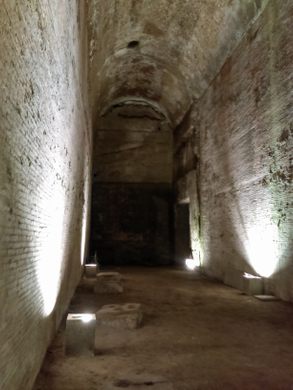
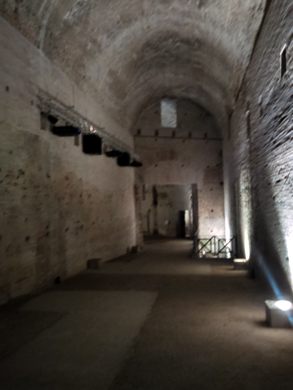
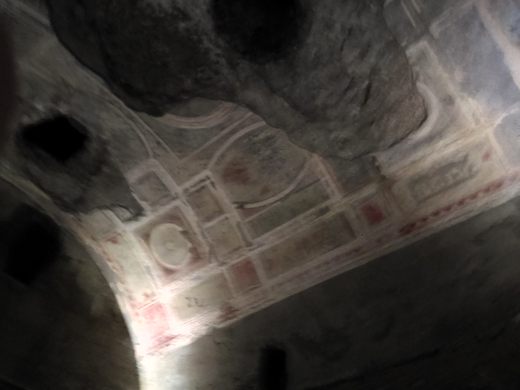
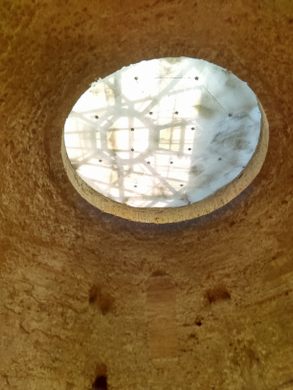
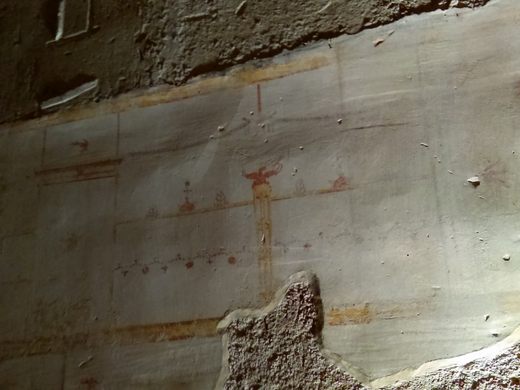
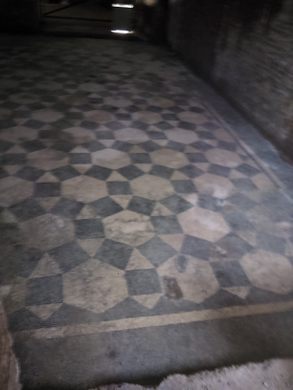
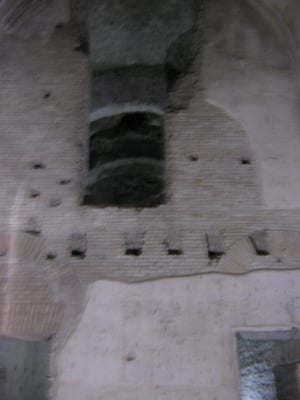
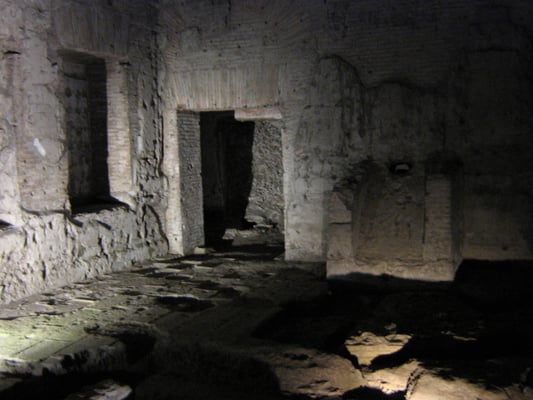
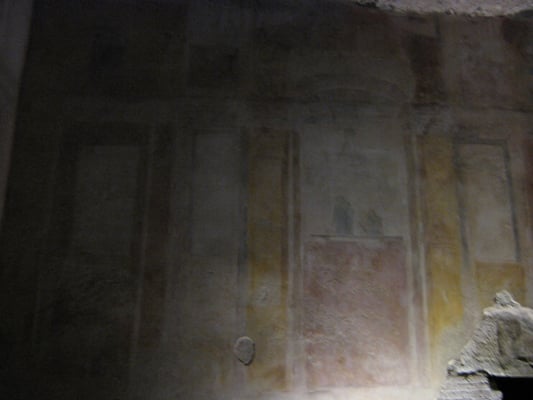
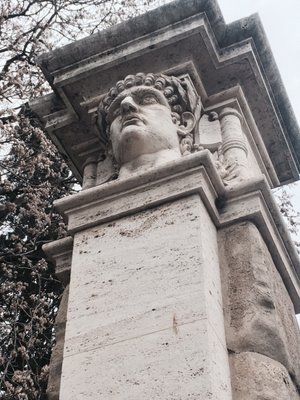
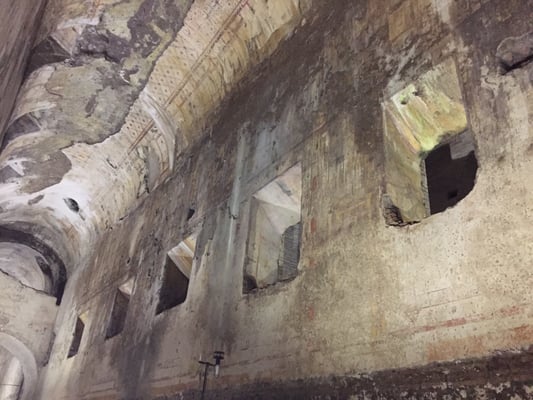
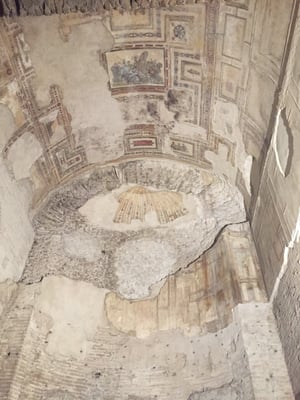
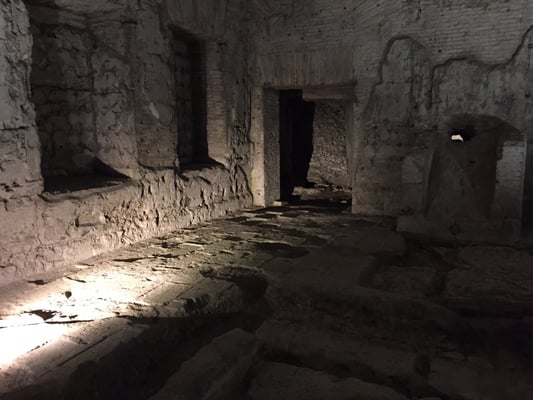
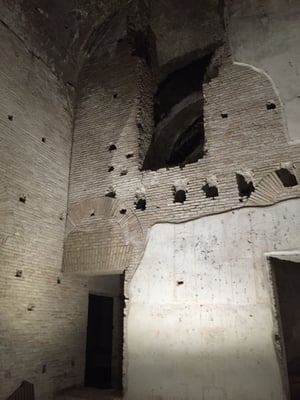
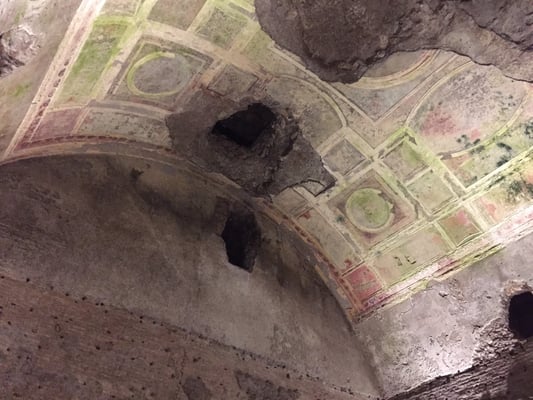
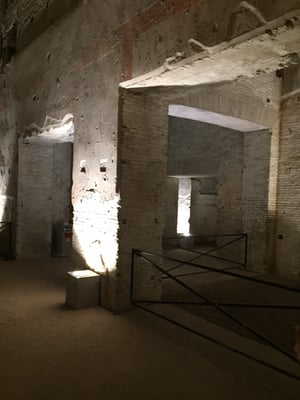
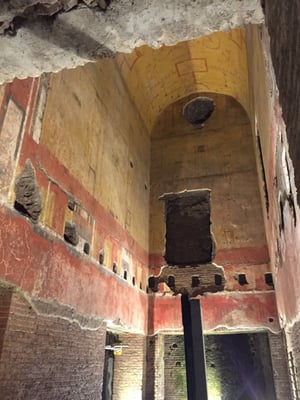
"The Great Fire of Rome, in 64 CE, left much of the city in ruins. On the Oppian Hill, where the homes of Rome’s elite used to stand, the mad emperor Nero built himself a gigantic palace known as the Domus Aurea, or Golden House. Despite the extravagant detail he insisted on, Nero never lived in the Domus Aurea full time; the house was strictly for pleasure. And what pleasure there was! Walls inlaid with ivory, acres of the finest marble, artificial lakes, mosaics spreading over the ceilings, and possibly most amazing for the time, a revolving dining-room ceiling that dropped perfume and rose petals on reveling guests, were all located on the grounds. “At last,” Suetonius has Nero say, upon moving in, “I am beginning to live like a human being.” The Golden House was shunned and despised by Nero’s successors who saw the site as a symbol of the waste and hubris of Nero. In the years after his death the Domus Aurea was swiftly buried beneath further construction. Paradoxically, it was this speedy burial that led to the site’s preservation. Buried under shame and centuries of construction, the pleasure dome lay undiscovered until the 15th century, when a young man fell through a crack in the hillside and found himself in the echoing chambers of Nero’s abandoned palace. Soon, the greatest artists of the Renaissance, Michelangelo and Raphael, were lowering themselves down carefully into the ruins of the Golden House, creeping through its halls and chambers, and memorizing every detail of its intricate frescoes. Once discovered, the Golden House could not endure in its pristine condition for long. Damp and rot attacked the delicate paintings, and careless visitors (including Casanova and the Marquis de Sade) scratched their names on the walls. Rains eventually led to the collapse of ceilings and vaults and the once-bright frescoes faded to muddy outlines." - ATLAS_OBSCURA
"The nearby ancient Roman house, with its intact frescos, was a highlight for me." - Matthew Kepnes
Christian O.
Emma C.
J E
Fabian J.
Julie S.
Dan
Lu R.
HESAM A.

A C.

Heather H.

Steph C.

Qype User (.


