Steve L.
Google
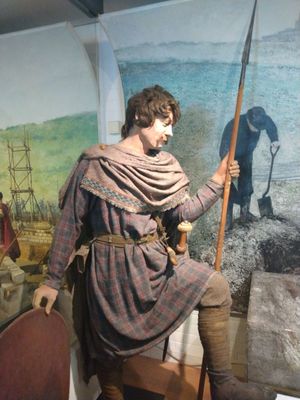
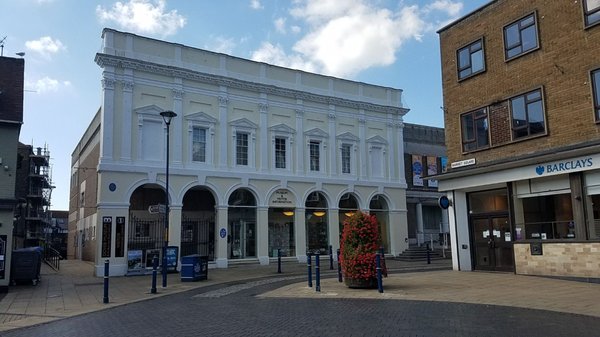
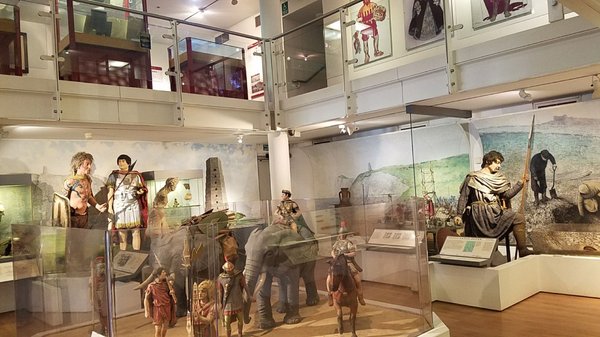
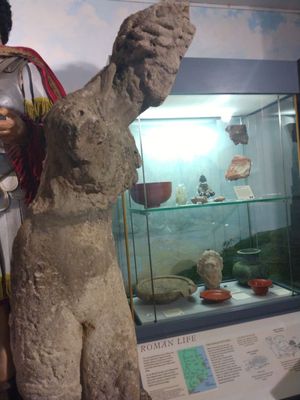
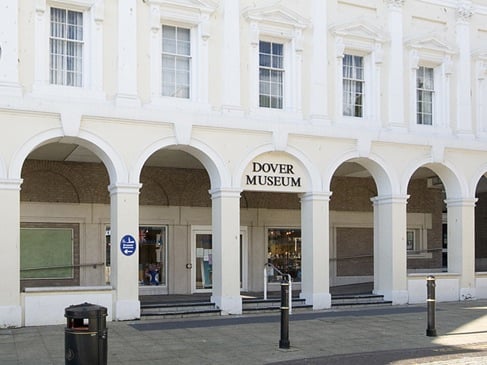
We were delighted with the Dover Museum. The first floor is primarily concerned with the history of Dover through the ages, with dioramas and model figures illustrating people’s dress of the time, starting with the Stone Age. Most of the relics on this floor were replicas, with the originals being at the British Museum - something a lot of museums have in common.
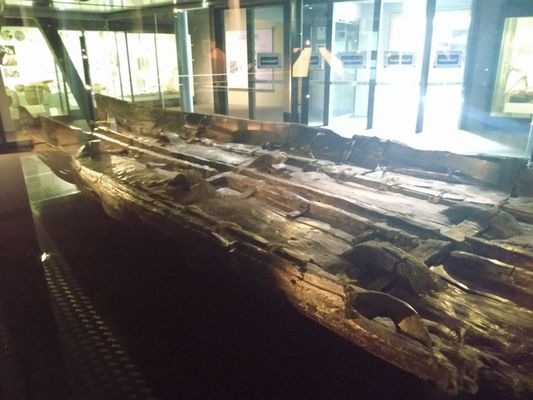
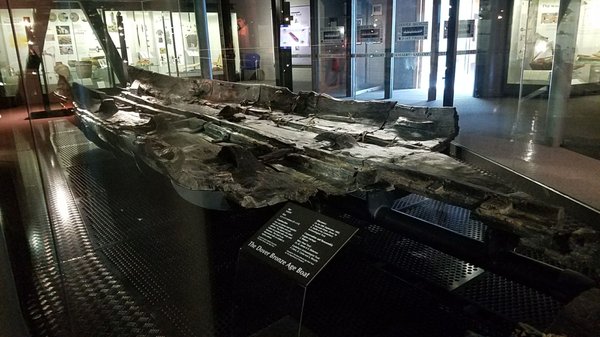
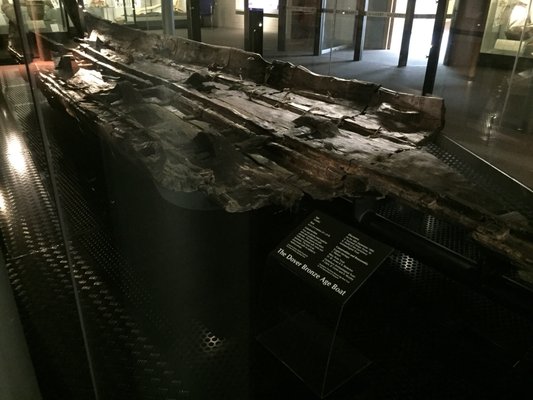
The second floor was for temporary exhibitions, this one being displays of models, miniatures and some toys from the past. The third floor had more on the history of Dover, and a separate section devoted to the Dover Bronze Age Boat, a wooden boat from about 3000 years ago that was discovered during highway construction. The government didn’t want to pay for proper analysis, so a large team of conservationists retrieved as much of the boat as they could. Having been buried in silt and water, the parts they found looked in reasonable condition, but the wood would disintegrate if any stress was put on it. They cut it into pieces, soaked the wood in a polyethylene glycol (PEG) solution to stabilize the wood, and then sent the pieces to a separate facility that freeze-dried them. Another team decided to reproduce the boat using (mostly) bronze-age tools and methods (I say mostly because they did use a chain saw to fell the tree). This let them learn more about how the boat had been constructed. Both the original and the copy are on display. The museum also has extensive displays on people who swam the English Channel (or claimed to, in some cases.)