David J.
Yelp
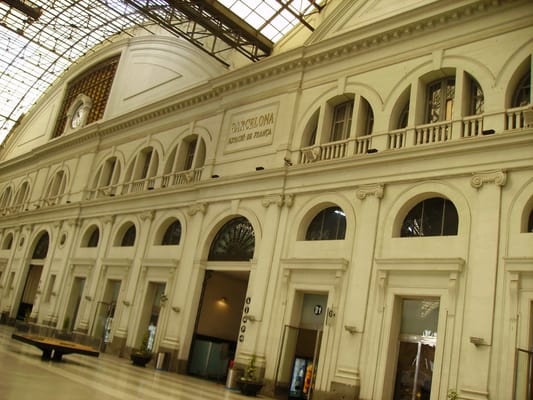
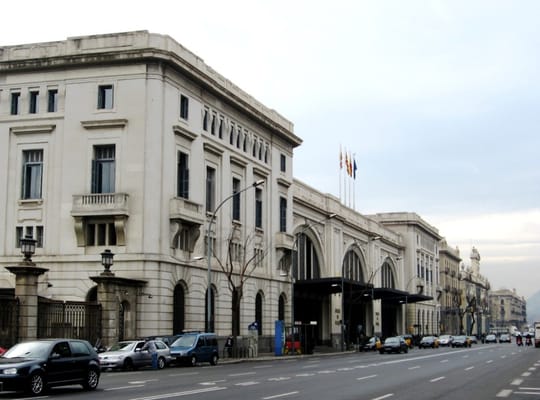
Eclipsed for the past thirty years as Barcelona's main station by the subterranean sprawl of Barcelona Sants, the França terminus station is nevertheless the much more attractive of the city's two main stations, and worth a look in its own right as a piece of early 20th-century architecture.
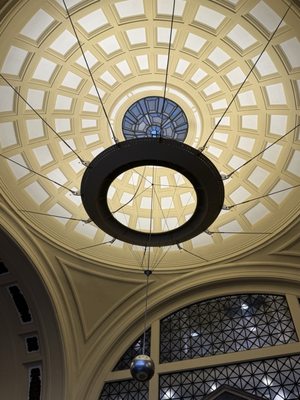
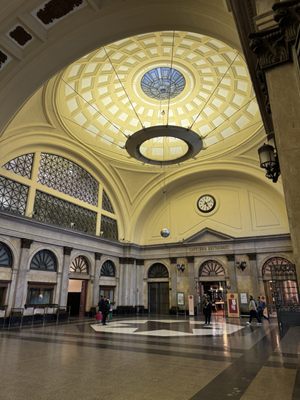
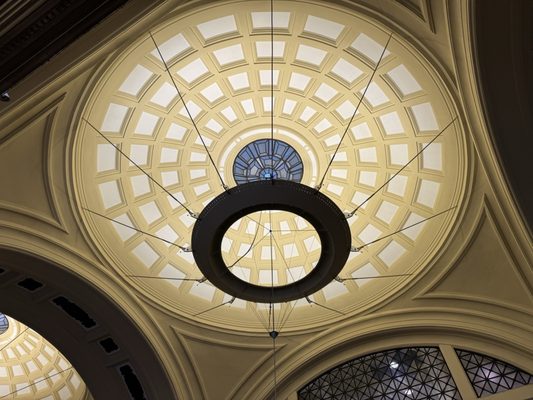
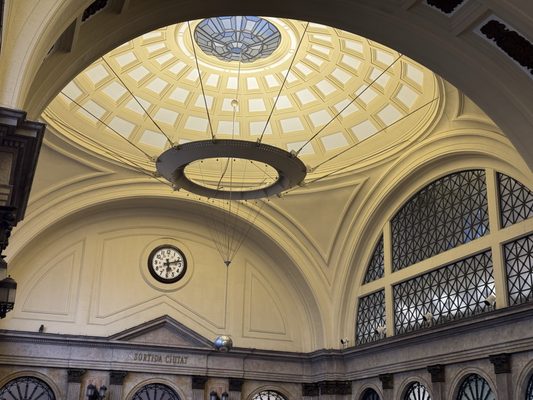
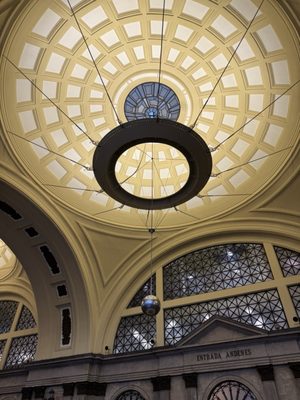
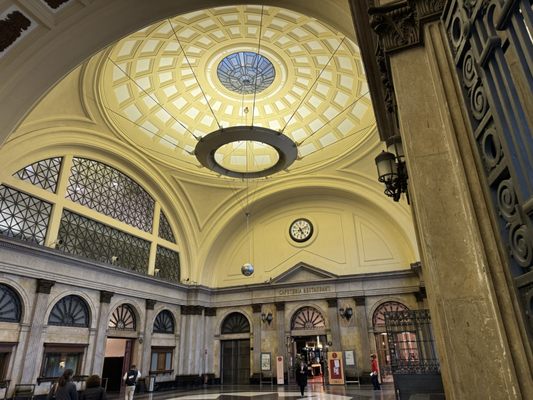
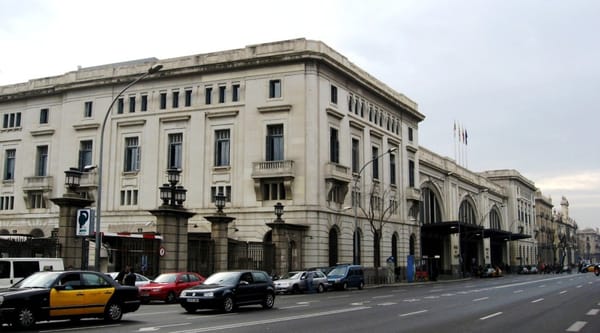
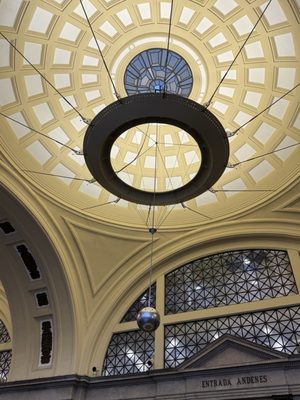
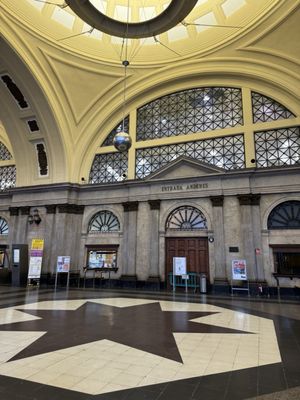
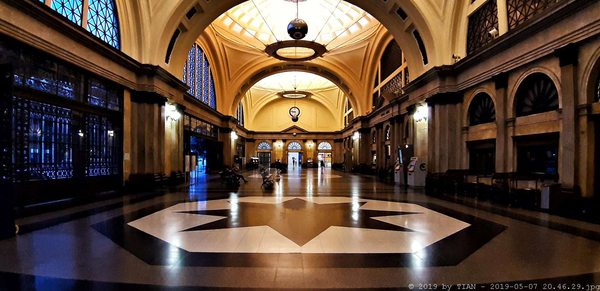
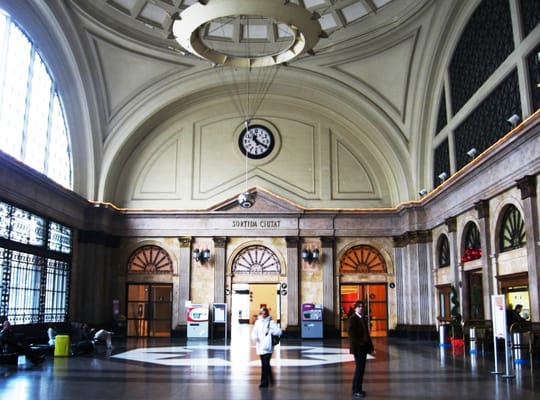
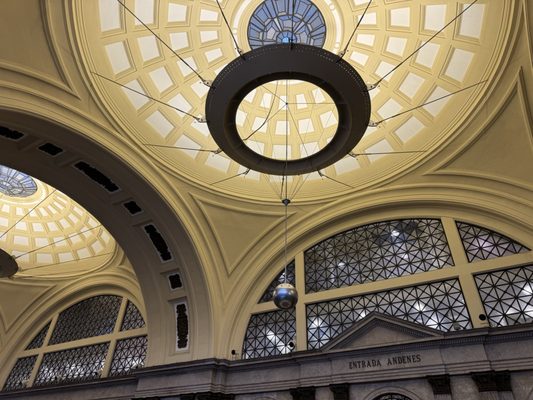
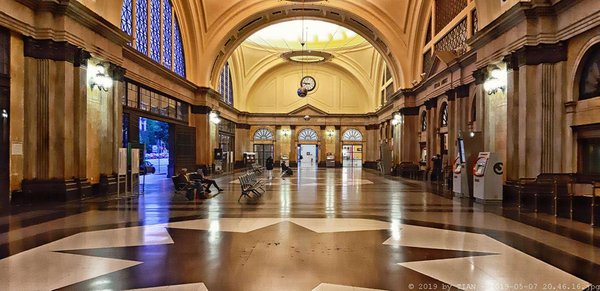
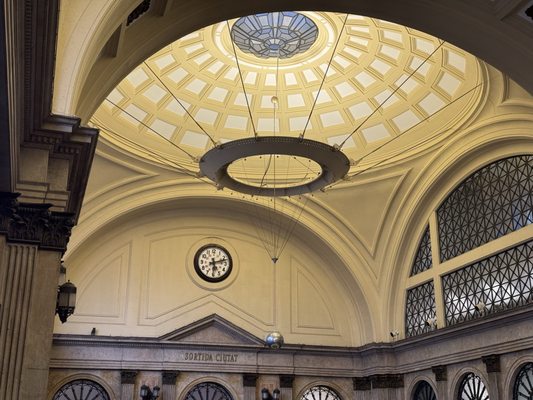
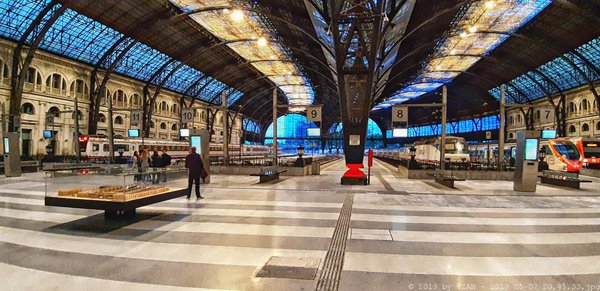
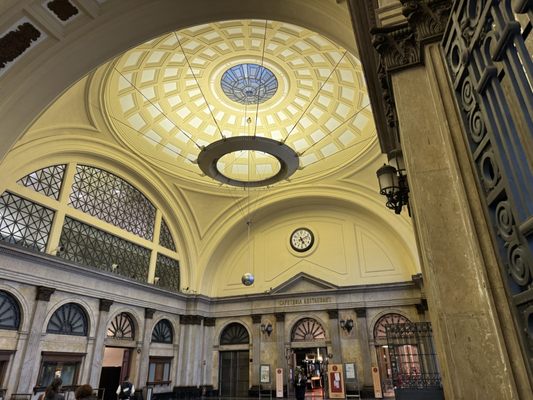
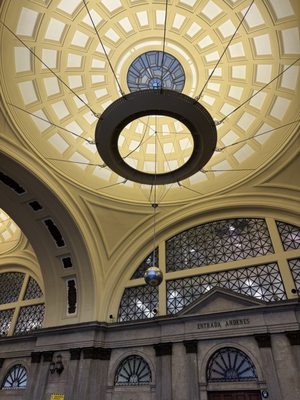
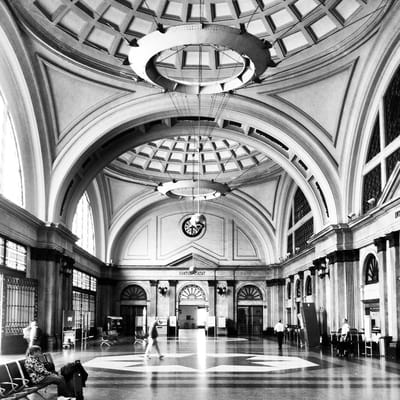
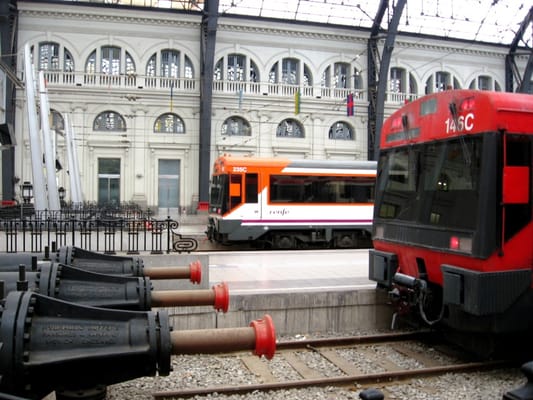
Built in the 19th century as the main terminus for trains arriving from France (as the name suggests), it was rebuilt and reopened in 1929 for the International Exhibition held in Barcelona that year. With two huge, curving train sheds covering 12 platforms and a grand vaulted concourse with a polished marble floor, the whole project was conceived on a grand scale in a restrained fusion of the art nouveau and classical styles (although the external façade is a little too restrained for my taste).
The construction of the east - west line through the centre of Barcelona via the modern Sants station in the 1970's rendered França somewhat redundant. Although it is close to Cuitadella Park and the trendy Barceloneta sea-front quarter, it is rather further from the current commercial centre of the city, although it is more convenient for the old Gothic Quarter. It isn't even connected to Barcelona's metro system Barceloneta station is a good five minute walk away, via the back streets to the west of the station - but the half hourly airport shuttle (line C10) will also take you into the centre.
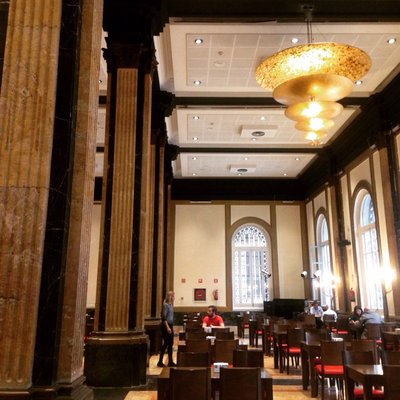
To-day, the station is the starting point for express trains to Madrid, Valencia and other Spanish cities, medium-distance services to other parts of Catalonia, the half-hourly train to Barcelona Airport (all which also pass through Sants) and a few overnight trains to and from France. The main concourse contains the ticket office, information centre, left luggage facilities and an incongruously huge cafeteria. The platform concourse also contains a quaint scale model of the station, complete with toy trains.
Although beautifully maintained, the small number of passengers who use the station seem completely lost in its vast, echoing public spaces. But that also makes it easier to appreciate as a piece of public architecture, and the absence of crowds and queues makes arriving or departing by train a rare and pleasurable experience.