Kim C.
Yelp
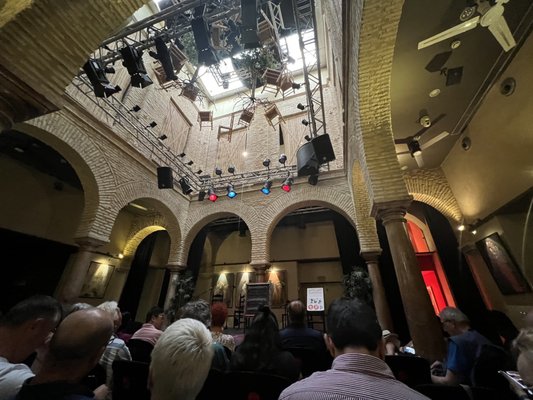
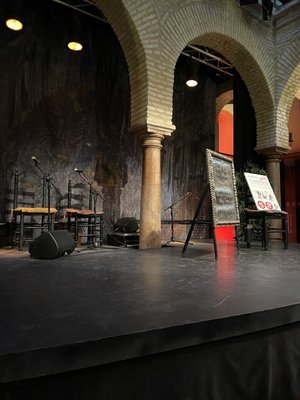
Before even stepping foot in the museum reception, you are already welcomed by faint flamenco rhythms and the sound 'pa-tah, pa-tah, pa-tah'. On the way to the museum (it's located on the 1st floor), you pass the light and airy patio where top-notch performances take place every evening. It was from here that the sounds of taconeo were being produced, although not in the form of a spectacular show on the centre stage, but basic steps from flamenco fledglings in the glass-paned dance studio. Visitors are encouraged to take a pew and observe, attempt to comprehend the complexity involved with mastering this art form, so that they are able to really appreciate how long it took the novice to perfect just one step when watching the professional show.
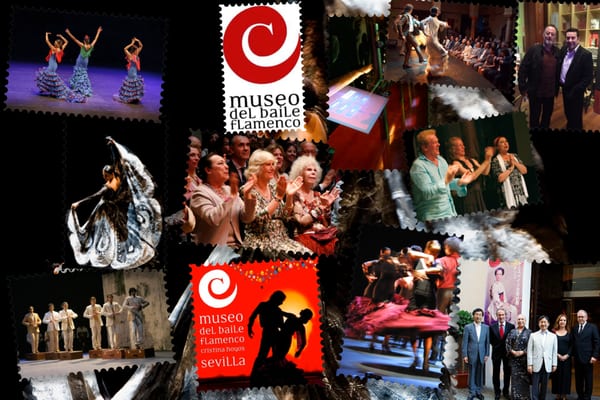
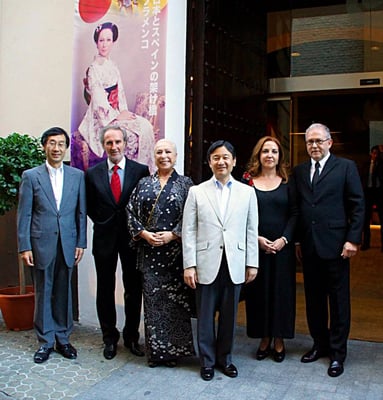
The museum itself is relatively new, and was inaugurated in 2006, born of the initiative of Cristina Hoyos, an acclaimed Sevillana flamenco dancer and actress, who has had a great influence on the rise of this artform. She wanted to bring flamenco dance closer to the world, to make people understand that it is one of the three fundamental pillars that support flamenco: the other two being cante (singing) and toque (guitar playing). Only in 2010 that flamenco was declared as being of intangible cultural heritage by UNESCO, and Crisitina Hoyos and this wonderful museum may have had something to do with that! This is the only museum in the world, to date, to solely be dedicated to flamenco dance.
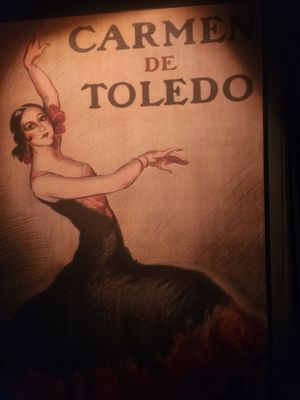
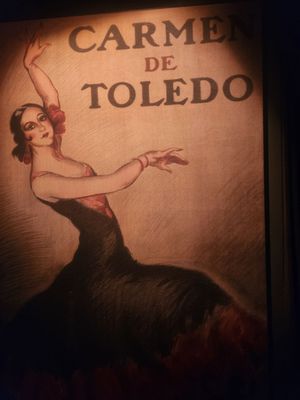
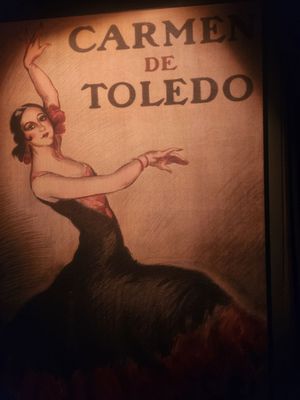
It provides a perfect introduction for any visitor to this magical world (or for Andalusian visitors to be reminded of its beginnings). The first floor of the Museo del Baile Flamenco uses a hands-on high tech approach to explaining the origins, (i.e., where castanets, hand or hip movements were from) and the variety of palos (flamenco styles), through videos and interactive screens, available in many languages (English, Spanish, German, French, Chinese and Japanese). Flamenco is an emotive dance, and depending on the palo different feelings can be portrayed: these videos perfectly demonstrate this with buzz words flashing up alongside. Furthermore, visitors can read more information, listen and watch using the touch-screen displays. This floor also describes how flamenco came into the spotlight, both in Spain and in the rest of the world. You can stand under the 'sound showers' and experience a sensory overload: hear flamenco melodies, see footage from years bygone - when flamenco started to take centre stage - and read famous flamenco quotes from flamenco-inspired works such as Carmen.
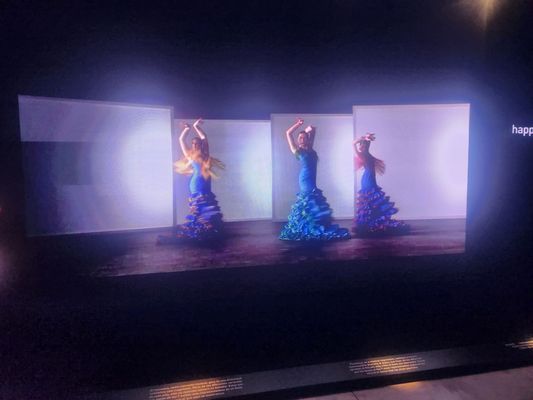
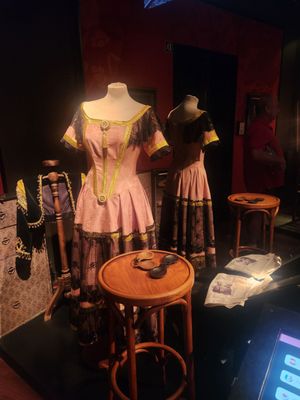
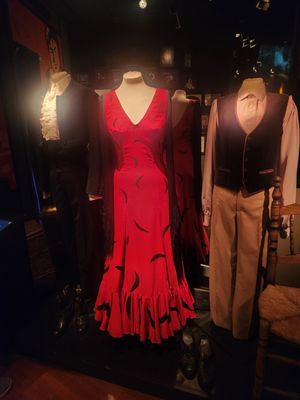
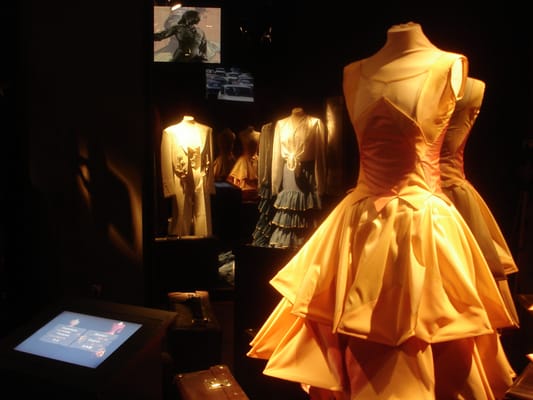
Another room puts flamenco costume in the spotlight, using interactive screens to explain where different items came from and how they were incorporated into dance. Last but not least on this floor, is a room consisting entirely of video walls, showing a performance choreographed specifically for the museum by Cristina Hoyos.
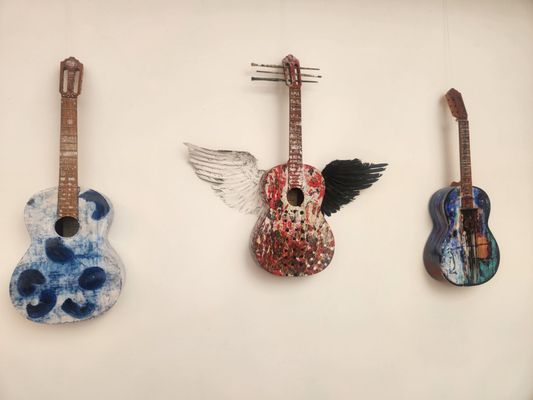
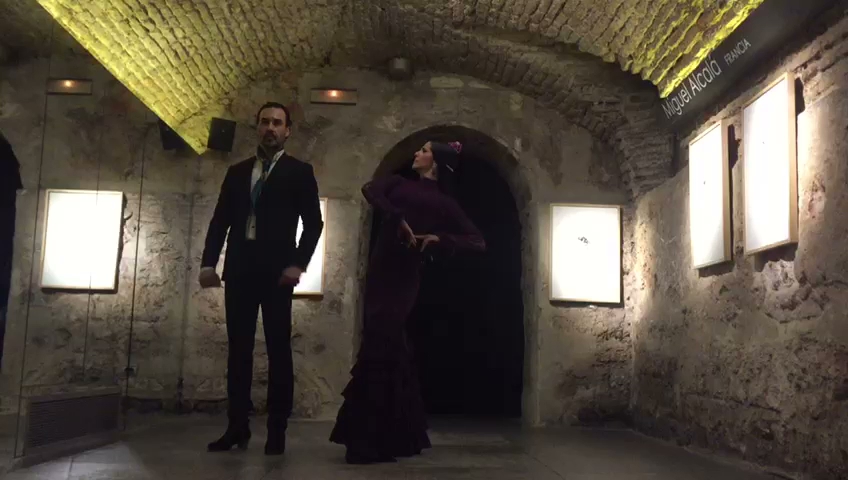
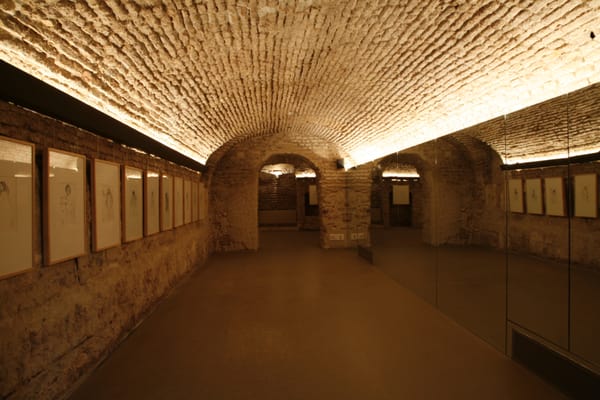
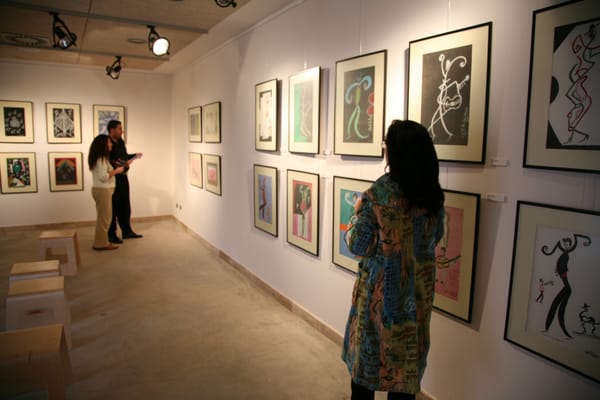
The museum also has an impressive photography and art collection, including images of Cristina Hoyo and her dance company, reminiscing of their 'golden years'. Contemporary art works from up-and-coming Spanish and international artists bring the art to the modern day. The exhibition rooms, as well as the well-preserved 18th century basement, are also used for percussion lessons and can be hired out for private events or conferences.
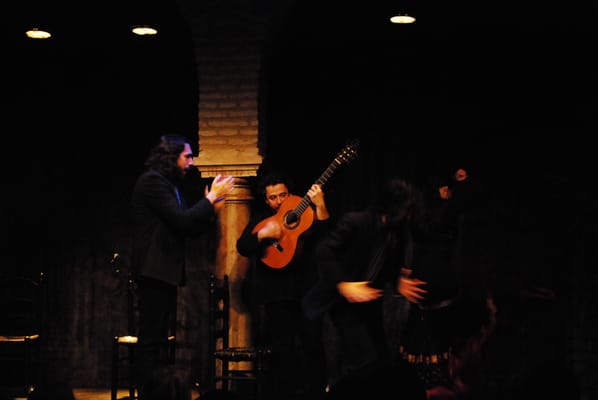
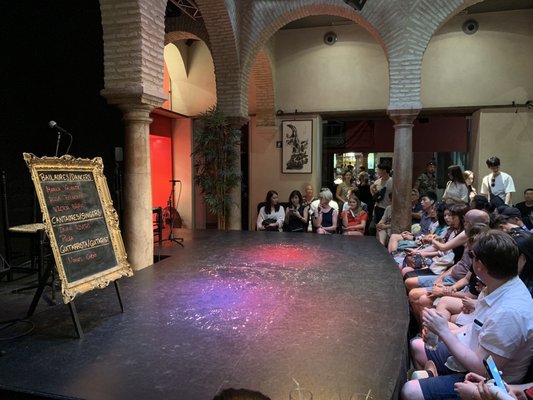
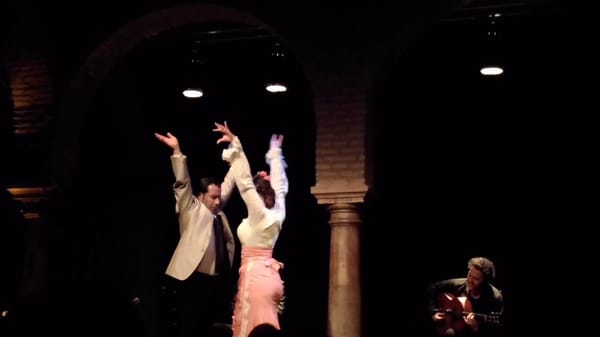
After discovering so much about the art of flamenco, it really made me appreciate the amazing live performance that same the evening. Four artists: two bailaores dancers (Lola Jaramillo and Jesús Herrera), a tocaor guitarist (Andrés Martínez) and a cantaor singer (Trini) took to the stage to bring to life all that was learnt from the museum. Here though, you could feel the flamenco and understand the emotions involved in the various palos. You could feel the vibration from the taconazos on the wooden tablao, and the swish of air as the train from Lola's traje swished inches past your face. Experience the joyfulness of bulerías and heart-felt wails of a saeta. I had seen many shows in free bars, the Bienal and touristy tabloas and I can guarantee that this show will remain present in my memory for much time to come. All of the performers stood out for me, but never had I seen a bailaora with such stage presence - maybe because I had never seen one master dancing with a mantoncillo and long-trained traje - it was astonishing.
This museum and show is a perfect introduction to flamenco for any visitor to Seville.