Mark K.
Yelp
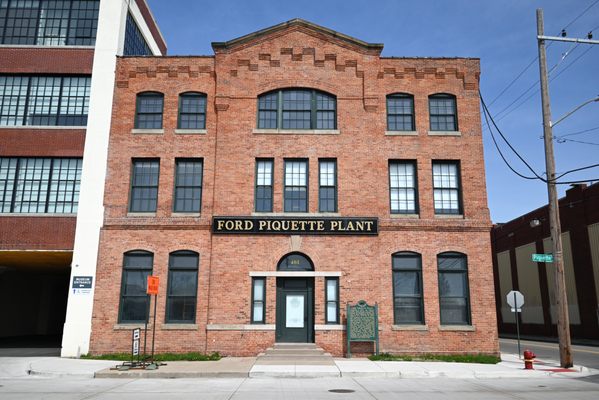
I had wanted to visit this museum for a long time and finally had the opportunity to do so recently. For context, while I appreciate nice cars, especially vintage vehicles, I am not a true car enthusiast. But I am a history enthusiast. And while I appreciated seeing the automobiles on display, it was principally in the context of their historical significance and the global importance of this facility in light of what happened here.
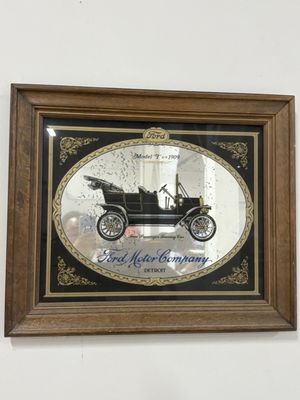
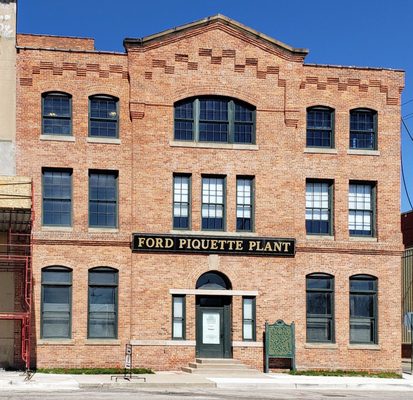
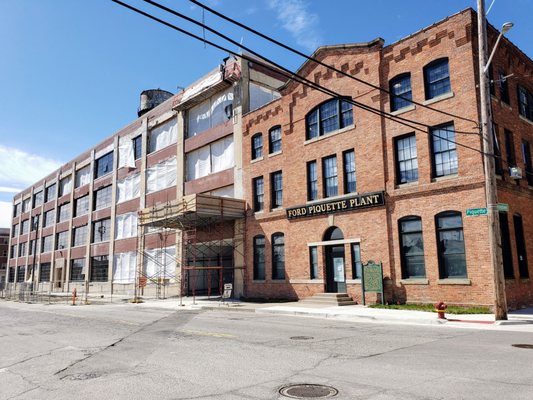
It was said that Henry Ford changed the world. And it can be argued that the principal part of that change had its roots in this historic facility. It was here that the Model T was conceived, developed and initially produced in 1907. After developing and producing several models from A to S that had varying degrees of success, Ford and his co-workers arrived at this everyman's car that allowed a much wider swath of consumers to own a vehicle.
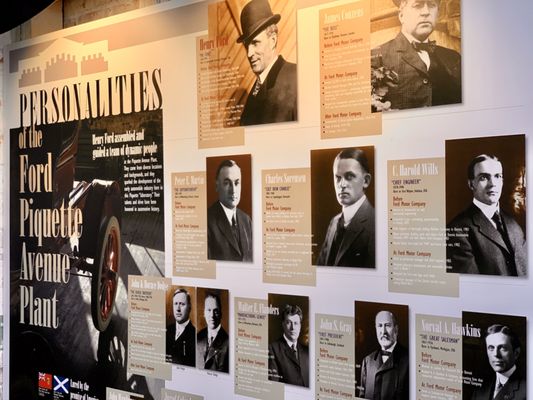
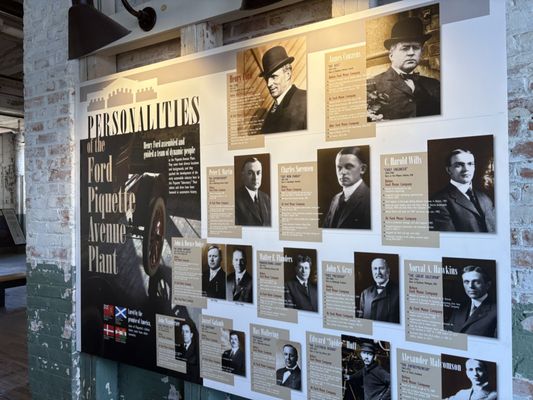
Whatever you think of Ford's personal proclivities, there is no denying that he was a very good (self-taught) engineer and a brilliant industrialist who not only developed a life-changing product for the masses, but also figured out a way to make them available to those masses. And he possessed the most important quality for success in business. He recognized talent, knew how to develop it, how to harness it and how to retain it. And those who Ford employed and who contributed to the Ford Motor Company's success, especially at the time the Piquette plant was operative, are also highlighted in this museum.
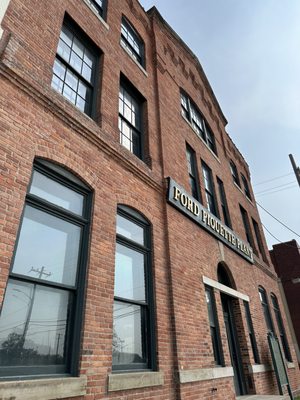
The museum is located in the Milwaukee Jct. section of Detroit in full view of the iconic Fisher Building. Milwaukee Jct. is named after a railroad landmark that serviced the area and played a central role in the choice for the plant location. There were several auto manufacturers and related suppliers who located here during the first two decades of the 20th century. Ford operations moved to Highland Park in 1911 and the Piquette plant was sold to Studebaker. It was eventually owned by 3M by mid-century until the 1980s when it was abandoned. The building was saved in the 90s by volunteers, and we're grateful they did. The area now looks like an abandoned industrial zone, which in a strange way adds to current historical ambiance of the former plant.
The museum can be seen as a self-guided venture. However, the guided tour is well worth joining. It's no extra cost to join. Our guide, Jerry, did a fabulous job. He covered the history of the plant. He also described the evolution of, ideology behind and features of the different models of cars on display. He further explained the evolution of the Model T from concept to reality. But my favorite aspect was how he related many of the idiosyncrasies of early automobiles that were origins of still well-known colloquialisms, such as back-seat driver and tire kicker, for example.
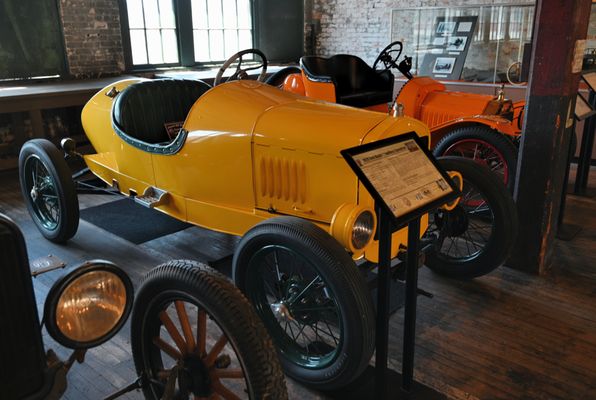
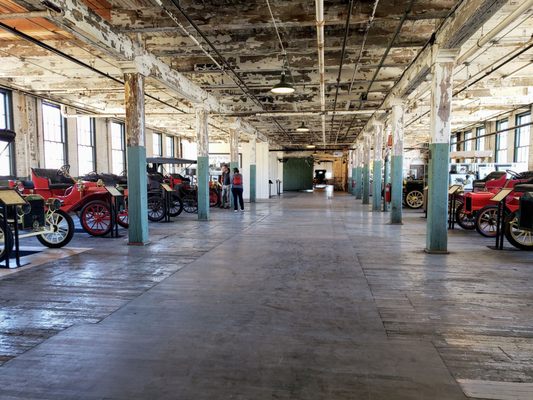
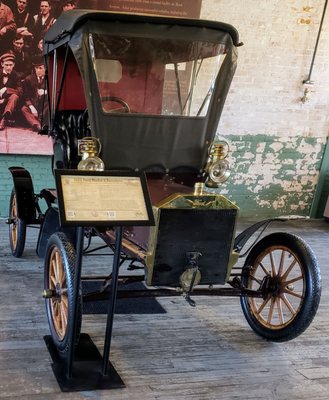
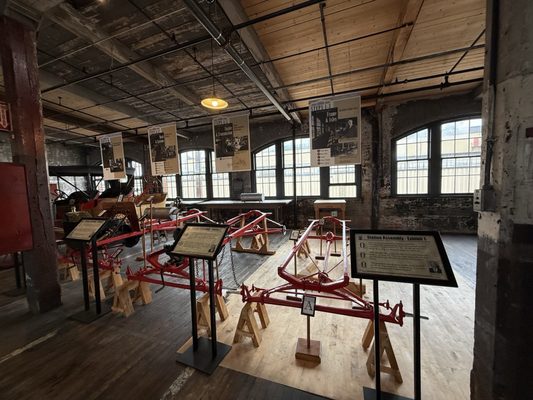
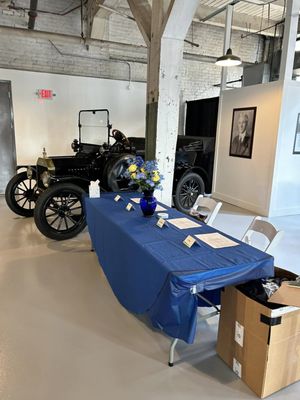
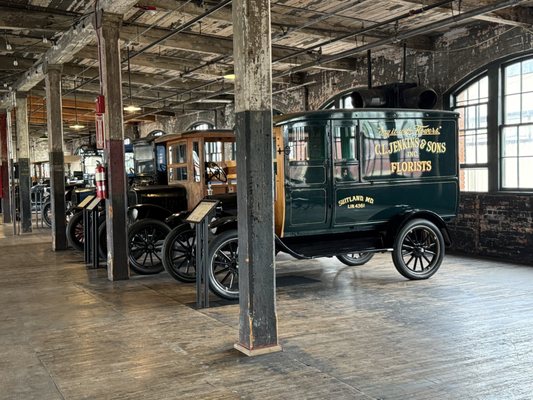
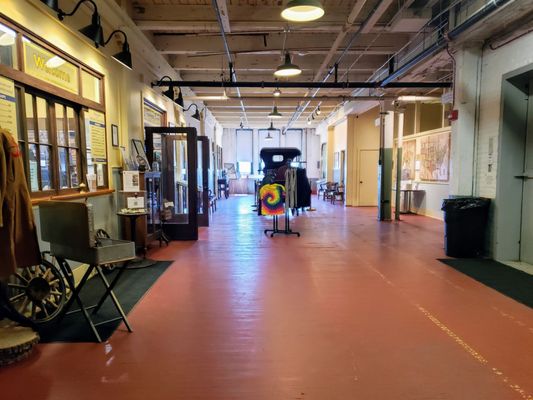
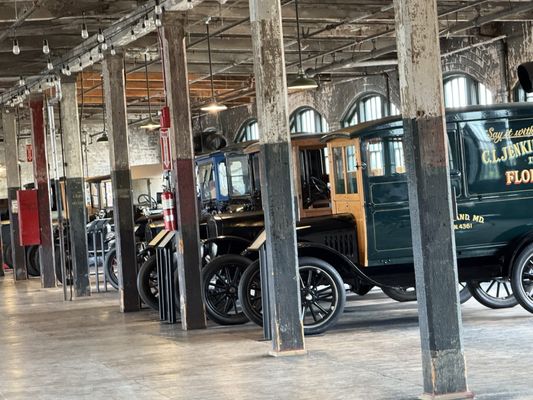
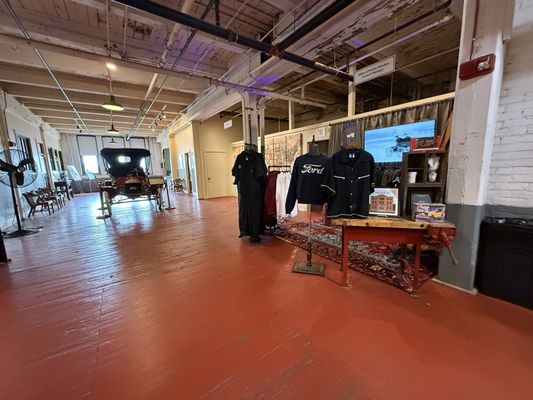
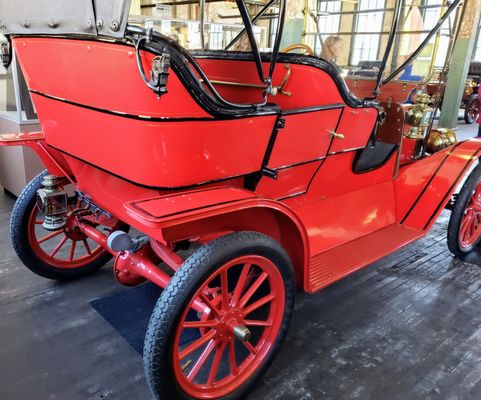
The cars on display were truly amazing. They were mostly early 20th-Century Fords but there were a few others such as Dodge Brothers, Studebaker and Cadillac. There were two full floors that used to be dedicated to assembly stations now showing off a variety of grand autos from a century ago.
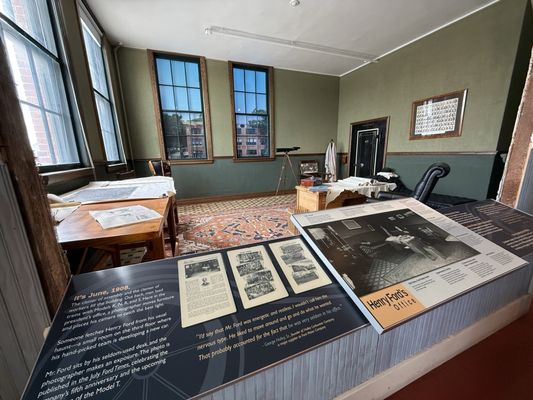
The invention of the Model T truly changed the world and represents a turning point in history. It could be called one of the ten pivotal inventions because of its impact on humanity and our way of life. The historical significance is enormous. Those seven people who sat locked away in the back room of the Piquette Plant were true Pioneers, though I'm sure they did not realize it at the time. You can visit this museum to see cool cars and that in itself is worth the effort. But more so, come to ponder the significance of an event that has shaped our lives so pervasively in ways that are hard to fully fathom. It's well worth the $18 admission.