Bea B.
Yelp
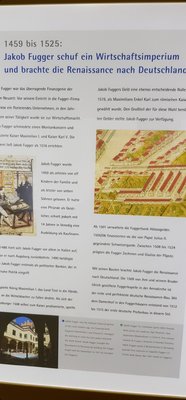
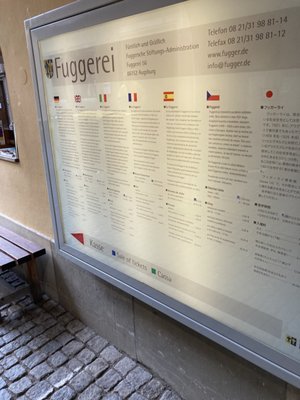
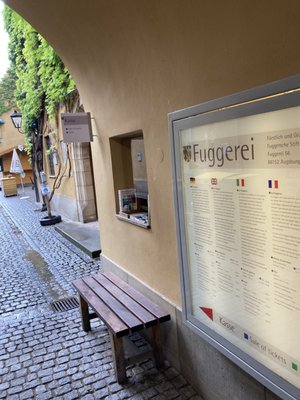
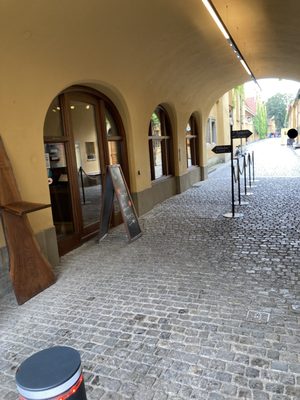
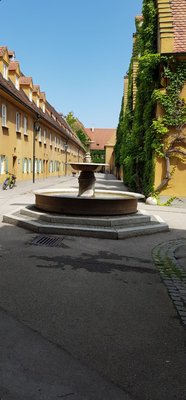
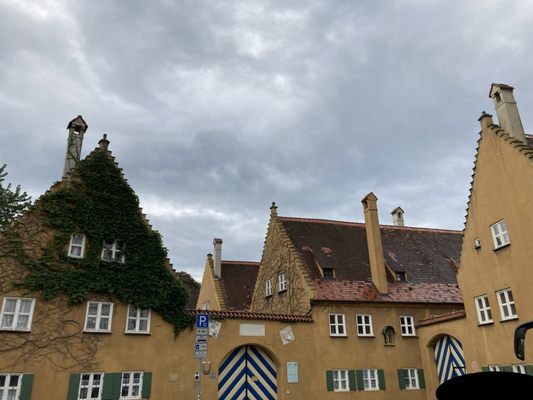
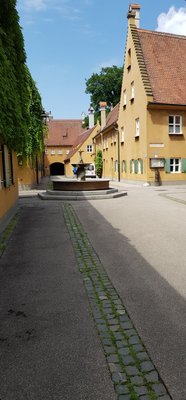
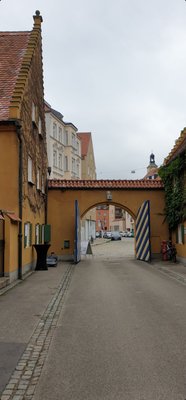
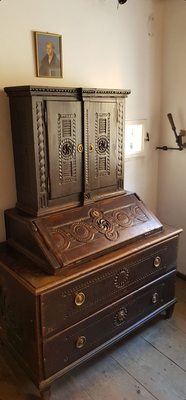
It's fairly hard to imagine that an extremely wealthy and influential family decided to dedicate a cluster of housing, meant to mimic a small city, to those living in poverty in early 16th century Europe. Well, the Fugger family did just that and its 'experiment' in social housing has lasted for almost five hundred years. Visitors are able to view a 'model dwelling' decorated as it would have been during the genesis of this project. In an adjacent room a film (auf Deutsch) about the Fugger family and how it came to create the Fuggerei runs on a loop. Pamphlets at the entrance are offered in a multiplicity of languages (including Chinese and Japanese), so non-German speakers are also able to gain a solid understanding of what's what.
The on-site WW II bunker is quite worth a visit. One sees how the Fuggerei was severely damaged during the war and how quickly and determinedly those in charge decided to rebuild.
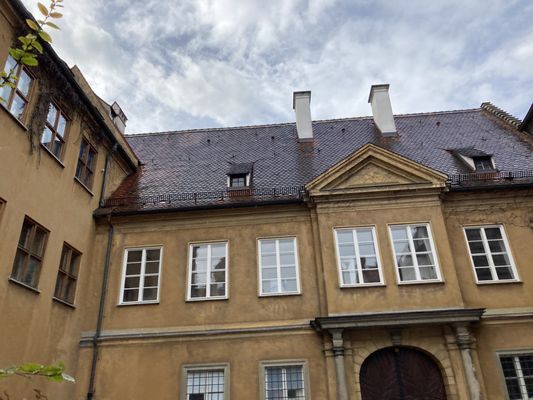
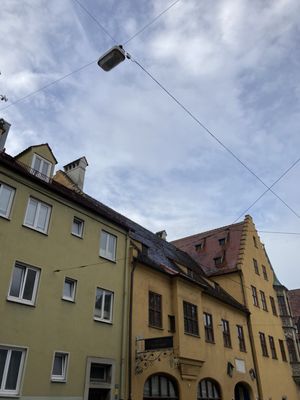
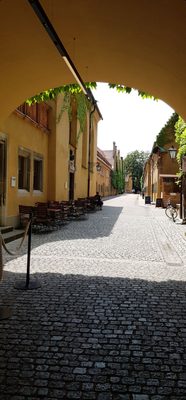
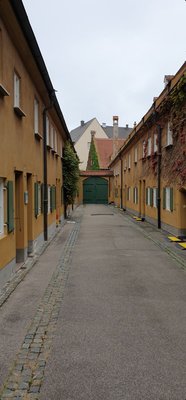
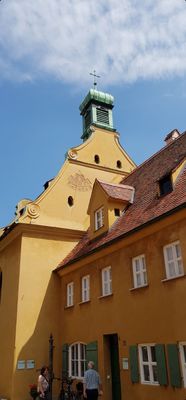
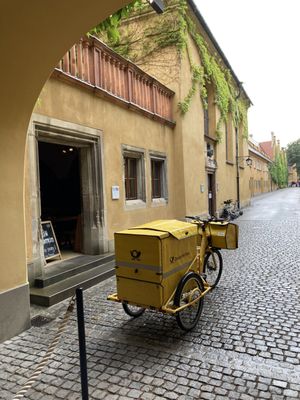
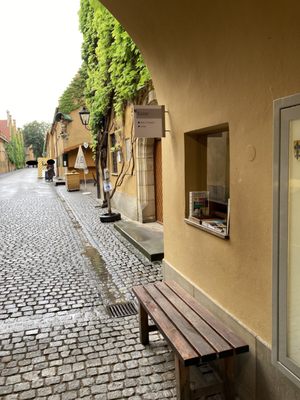
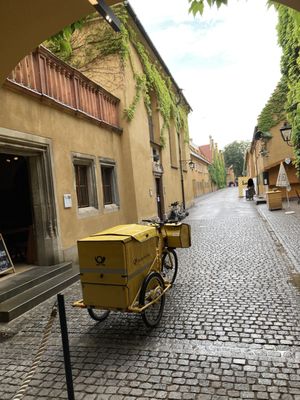
While I very much enjoyed visiting the Fuggerei, I was constantly aware of walking around a complex in which people live. One is cautioned to be respectful and to not 'take pictures'. It's hard not to look at the facades of all the buildings when one walks by them. Well, it's hard for me, at least. Being a fan of architecture, I walked the streets of Augsburg en route to the Fuggerei pretty much doing the same thing. I happened to walk past a small boy kicking a soccer ball around, presumably, the front of his Fugger flat. He scowled at me when I passed him. That's when I decided it was time for me to go.
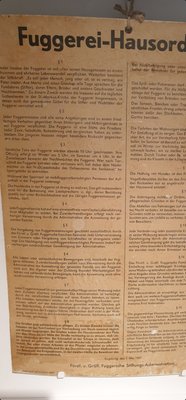
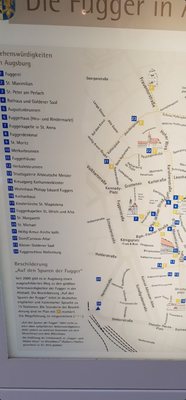
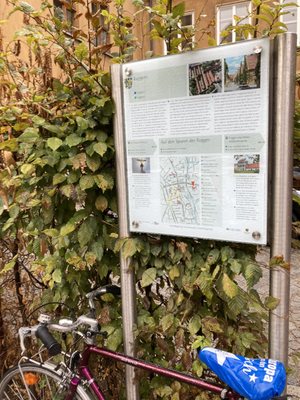
There is information regarding who is eligible to live at the Fuggerei (adherents to the Catholic faith) and how much one pays (0,88 euro annually & three prayers daily, apparently). What I wasn't able to find out was how one is picked to live on premises. Not that I'd qualify...