Alexander S.
Google
I've been to many places in Ireland, and this place is definitely on my must-see list!
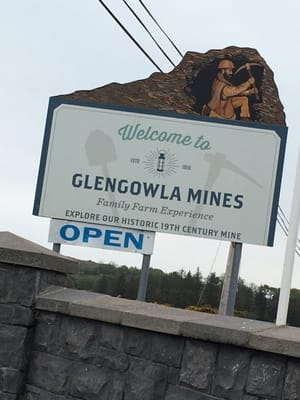
Mining at Glengowla began in 1851, when a local farmer discovered galoo (lead ore) on the surface of the soil. The first shaft, named after Captain Paul, reached a depth of 40 meters and a width of 60 meters. The mines operated until 1865, producing lead and silver, as well as other minerals such as quartz, fluorite, dolomite, and marble. This was the time of the Great Famine in Ireland (1845–1847), and the mines were likely created to provide employment for local residents. In 1999, the mines were saved from flooding by the Geoghan family, who restored them and opened them to the public.
• Underground Mine Tour: Approximately 45 minutes long, guided. You'll descend into marble caverns, see remains of equipment (ladders, pipes, mine carts), and rare fluorite and quartz crystals. Tours run every 20 minutes, with an emphasis on atmosphere: dripping water, "miners' breath," and even a moment of complete darkness. The surface museum features mineral exhibits and artifacts.
• Dog Herding Demonstration: Watch Irish sheepdogs (like Bob) herd sheep under the direction of farmer Keith Gioghan. This is a picturesque show about farm life in Connemara.
• Turf Cutting Demonstration: The traditional Irish process of collecting fuel from bogs is an authentic experience.
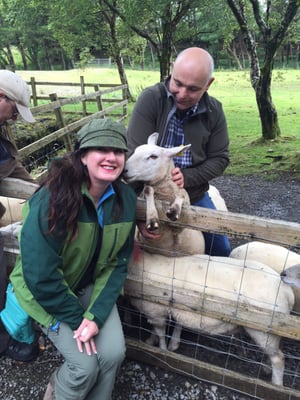
• Farm Walk: A 1-kilometer trail with the opportunity to pet Connemara ponies and lambs and learn about local flowers and animals. • Gold panning: Try your luck in the on-site river.
• Seismology: The mines are equipped with a seismograph that records earthquakes in real time—part of a national monitoring network.
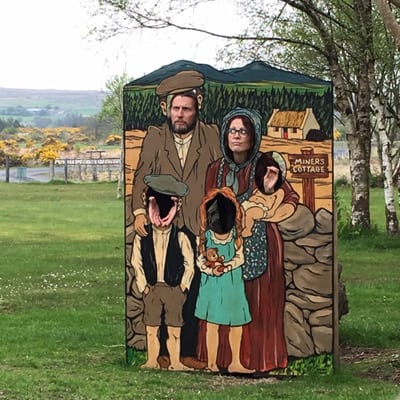
• Additional attractions: Blacksmith's workshop, powder house, mineral and gift shop. Movies have also been filmed here, and there's a photo gallery.