Greenbank Farm
Farm · Island County ·
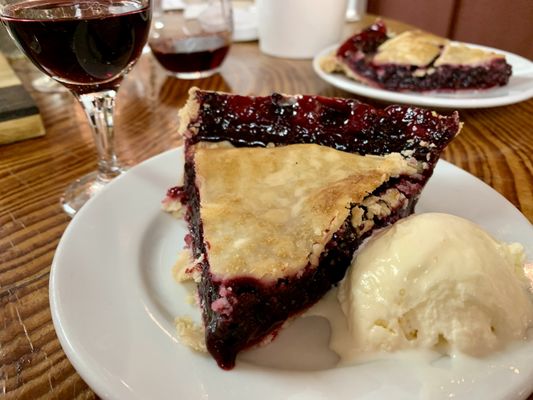
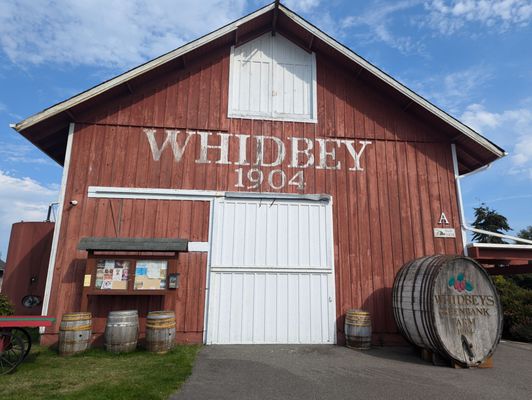
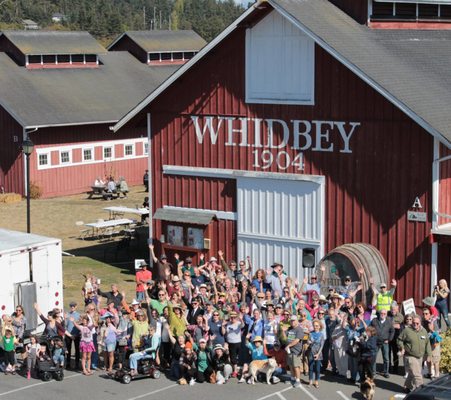
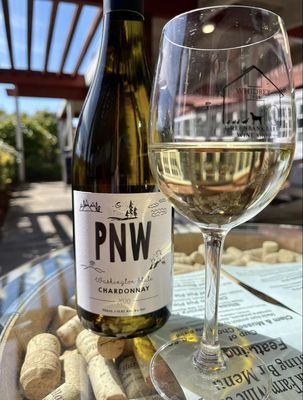
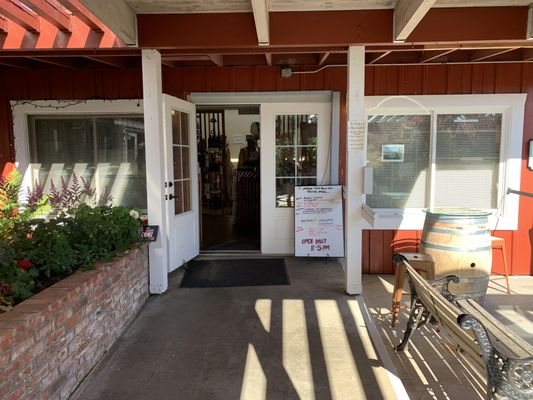
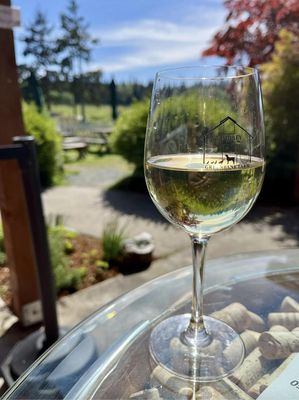
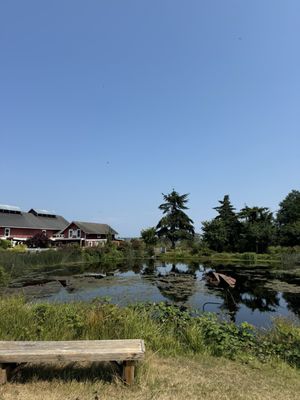
Farm with shops, trails, dog park, wine, pies, cheese




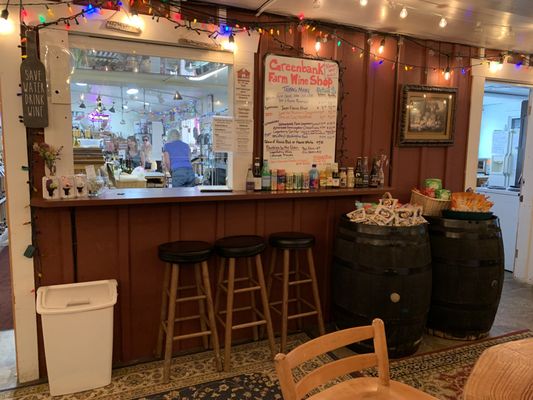

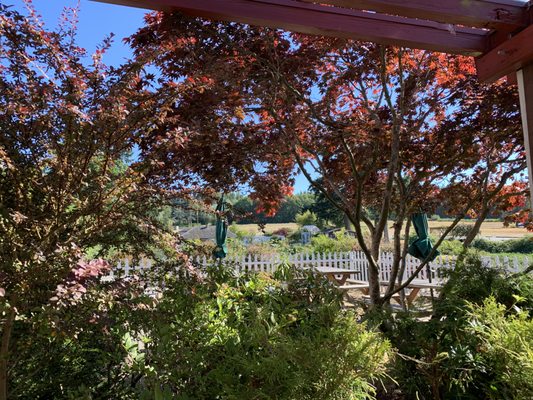

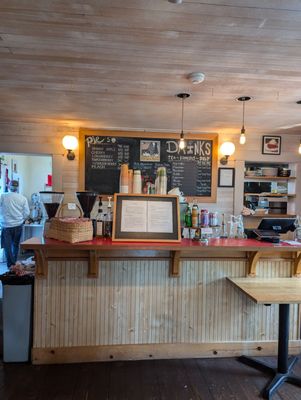


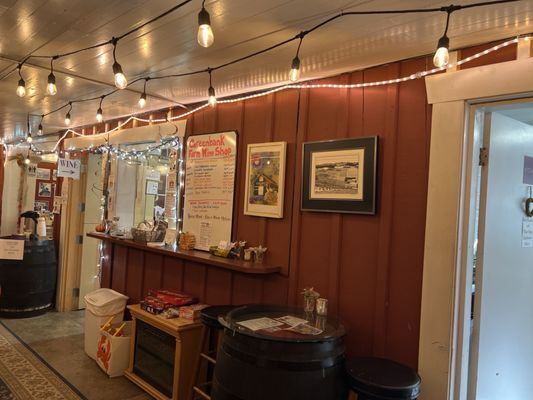

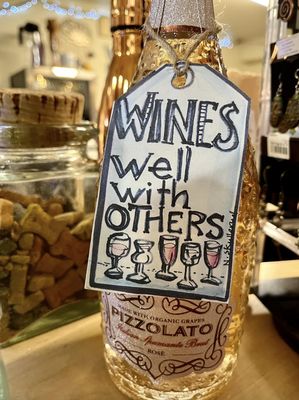

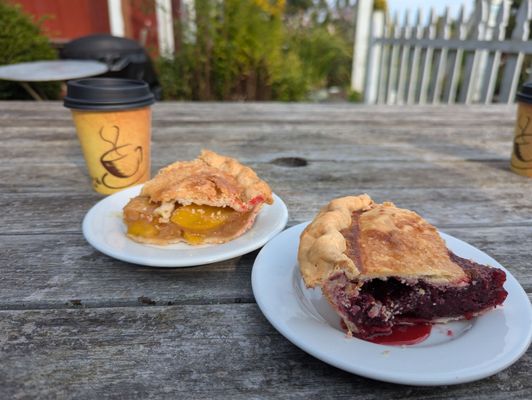

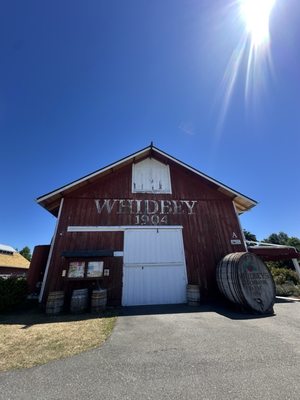


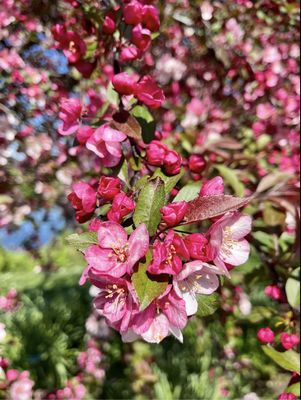
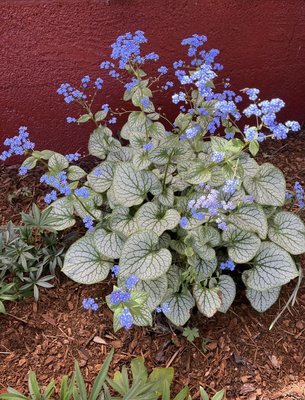
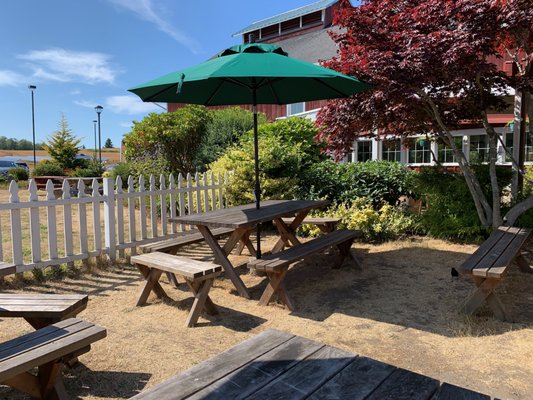







Farm with shops, trails, dog park, wine, pies, cheese
"At the 151-acre Greenbank Farm I spent the morning wandering miles of dog-friendly trails after stopping at the café, and as I reached the top of the first rise the clouds parted to reveal the snowy Cascade Mountains on the mainland before I headed back into the woods for a long, slow walk." - Sara B. Franklin Sara B. Franklin Sara B. Franklin is a journalist and oral historian. She teaches courses on food culture, writing, and oral history at NYU Gallatin. Her work has appeared in The New York Times, The Washington Post, Afar, and Travel + Leisure. Travel + Leisure Editorial Guidelines
Jeremy Y.
Alison G.
A R.
Yvonne O.
Jasmine F.
Janet S.
Page T.
Donna T.

Susan S.

Lexi C.

Rebecca H.

Emily T.

Dave M.

Kana S.

Alicia A.

Melanie E.

Tonto N.

Crystal O.

Jason W.

Olivia R.

S. Rene' P.

Jon P.

Jenni R.

Cynthia L.

Leslie C.
Andy H.
P W.

Caleb M.
TY H.

Yvonne D.

Sue M.

Claudia K.

David L.

Kaliko P.

Lindsay D.

Arleen E.
Johnny S.

Nithya R.
Bonnie K.

H C.
Manny Z.

Serena W.

Shana W.

Rod V.
Sneha S.

D J.

Anjelika J.

Mike S.

Laura B.

Natalie G.

Seth A.

Eileen G.
Lifetime W.
Shelly F.
Mark A.

Kristin P.

Carter G.
