Harbourfront Centre
Cultural center · Waterfront Communities-The Island ·
Lakefront cultural hub with festivals, arts, outdoor spaces, and views






















Lakefront cultural hub with festivals, arts, outdoor spaces, and views
"A lakefront cultural hub on Lake Ontario featuring programming, outdoor spaces, and a focal point for lakeside events and activities." - Evie Carrick Evie Carrick Evie Carrick is a writer and editor who’s lived in five countries and visited well over 50. She now splits her time between Colorado and Paris, ensuring she doesn't have to live without skiing or L'As du Fallafel. Travel + Leisure Editorial Guidelines
"Spending time at Toronto's Harbourfront Centre gives easy access to arts and culture along the city's lakefront." - Elizabeth Preske Elizabeth Preske Elizabeth Preske is an associate editor at TripSavvy and a former associate digital editor at Travel + Leisure. She writes and edits content about destinations around the world, covering everything from travel-related news and tips to stories about quirky destinations. Travel + Leisure Editorial Guidelines
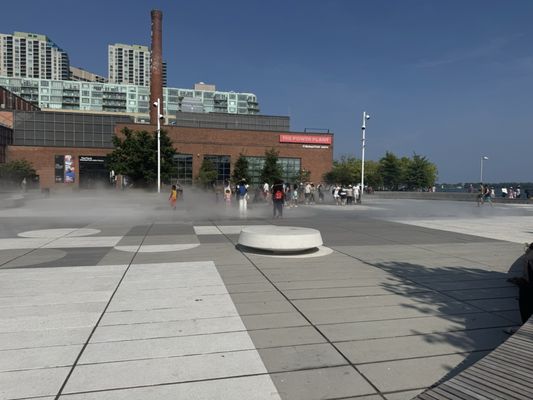
"In 1972, the Canadian government began a massive revitalization project in Toronto to boost both local, national, and international tourism, transforming 100 acres of industrial waterfront into cultural, educational, and recreational attractions. Overseeing the operation was the Harbourfront Corporation, which became the Harbourfront Centre nonprofit in 1991. The organization was tasked with organizing cultural programming in the neighborhood—more specifically, in a 10-acre area right on the water—which is still its primary function today. And it’s quite successful: In non-pandemic years, Harbourfront Centre’s myriad venues and public spaces would host some 4,000 events each year, from summer writing festivals to the performing arts to art and architecture exhibitions, drawing in more than 17 million visitors. In the winter, there's even an ice skating rink." - Stefanie Waldek

"In 1972, the Canadian government began a massive revitalization project in Toronto to boost both local, national, and international tourism, transforming 100 acres of industrial waterfront into cultural, educational, and recreational attractions. Overseeing the operation was the Harbourfront Corporation, which became the Harbourfront Centre nonprofit in 1991. The organization was tasked with organizing cultural programming in the neighborhood—more specifically, in a 10-acre area right on the water—which is still its primary function today. And it’s quite successful: In non-pandemic years, Harbourfront Centre’s myriad venues and public spaces would host some 4,000 events each year, from summer writing festivals to the performing arts to art and architecture exhibitions, drawing in more than 17 million visitors. In the winter, there's even an ice skating rink." - Stefanie Waldek
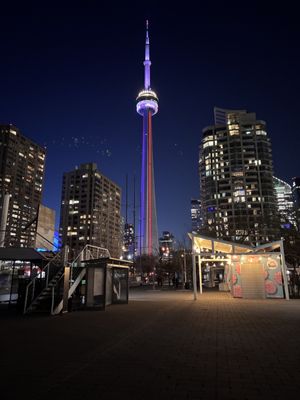
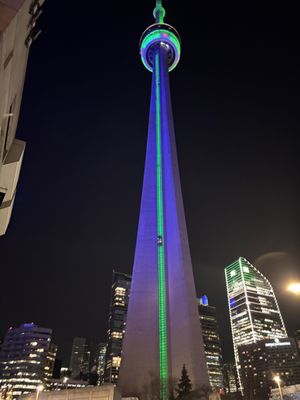
"Tell me: What’s this place all about? In 1972, the Canadian government began a massive revitalization project in Toronto to boost both local, national, and international tourism, transforming 100 acres of industrial waterfront into cultural, educational, and recreational attractions. Overseeing the operation was the Harbourfront Corporation, which became the Harbourfront Centre nonprofit in 1991. The organization was tasked with organizing cultural programming in the neighborhood—more specifically, in a 10-acre area right on the water—which is still its primary function today. And it’s quite successful: in non-pandemic years, Harbourfront Centre’s myriad venues and public spaces would host some 4,000 events each year, from summer writing festivals to the performing arts to art and architecture exhibitions, drawing in more than 17 million visitors. In the winter, there's even an ice skating rink. What’s it like being there? Prior to COVID-19, there was always something happening, whether a dance performance, a gallery show, or readings. These days, programming is a little more limited, with a bigger focus on the outdoor recreational areas throughout the neighborhood—you’ll still find performers out here, catering to those picnicking on the lawns or riding their bikes through the promenades. Some of the restaurants and shops are open, and there are also outdoor vendors. Who comes here? Locals come here for the programming and outdoor space, while tourists often come for the views. When the events are in full swing, you can certainly expect some crowds. Did it meet expectations? You won’t leave the area want for culture. So then what, or who, do you think it’s best for? Anyone ambling along the waterfront will enjoy the area for its views of Toronto, but if you have a taste for cultural events, be sure to pop into the gallery spaces, shops, and studios—and take a look at the calendar of performances, too." - Stefanie Waldek

