Hida no Sato Open Air Museum
Open air museum · Takayama ·

Hida no Sato Open Air Museum

Open air museum · Takayama ·

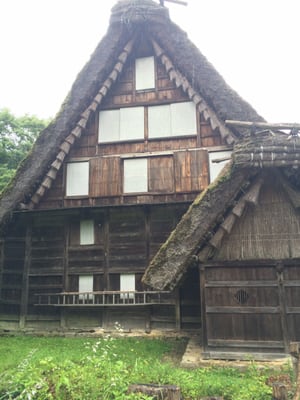
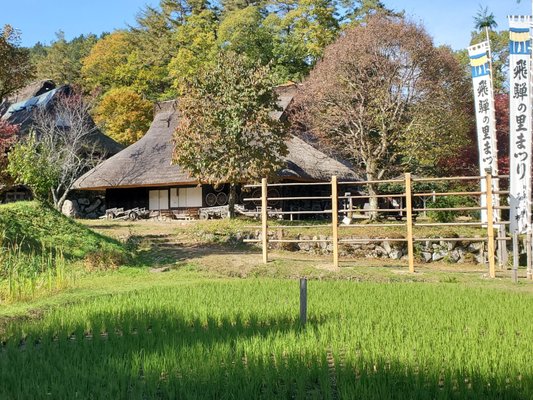
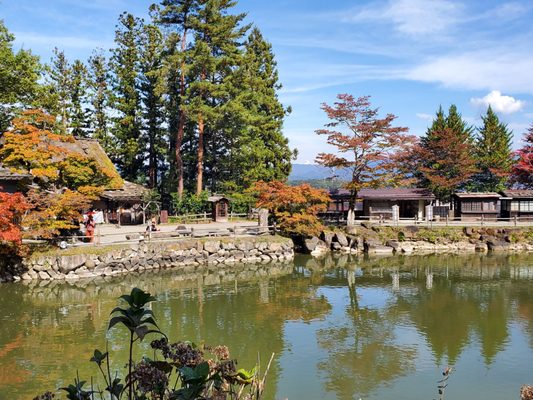
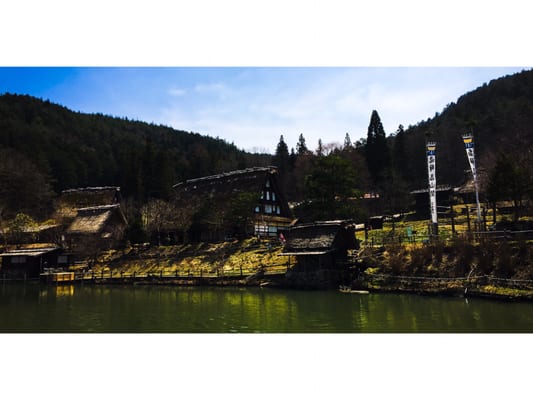
Edo-period farmhouses with thatched roofs, wood construction

Hida no Sato Open Air Museum by null

Information

1 Chome-590 Kamiokamotomachi, Takayama, Gifu 506-0055, Japan Get directions

Information

Static Map

1 Chome-590 Kamiokamotomachi, Takayama, Gifu 506-0055, Japan Get directions

+81 577 34 4711
hidanosato.com

Features

restroom
wheelchair accessible parking lot
wheelchair accessible entrance
wheelchair accessible restroom

Last updated

Dec 11, 2025

Powered By

You might also like

Terms of Use • Privacy Policy • Cookie Policy
 © 2025 Postcard Technologies, Inc.
@nomadicmatt
6,681 Postcards · 1,173 Cities

The Ultimate Japan Itinerary for 2025: From 1 to 3 Weeks

"At Hida Minzoku Mura Folk Village you can enter a collection of traditional thatch-roof houses to immerse yourself in Edo-period rural life." - Matthew Kepnes

https://www.nomadicmatt.com/travel-blogs/japan-itinerary/
Hida no Sato Open Air Museum

Leh P.

Google
A peaceful and pleasant open-air museum that gives a good feel of traditional Hida architecture and lifestyle. The whole area is easy to explore on foot, with many well-preserved houses you can enter and explore freely. Apart from viewing the traditional houses, there are also a few fun activities set up near the entrance. We got to try shooting water from a traditional bamboo water gun and walking on bamboo stilts. Simple but surprisingly fun, especially for kids. Parking is paid together with the entrance ticket at the counter.

James M.

Google
What a cool spot. This place is packed with history, culture, and some beautiful scenery to top it off. You can take the bus up, but we just walked — it’s a pretty easy stroll from the town center. Tickets were under 1,000 yen for both of us (from memory), and well worth it. You get to explore a bunch of old traditional houses with thatched roofs, all laid out like an old mountain village. The architecture is unreal, and the displays showing how people lived and worked back then were really interesting. There were shrines around the grounds, and we even saw some live demonstrations — stuff like woodcarving and pottery, which gave the whole place a hands-on feel. It’s peaceful, open, and a great way to step back in time for a few hours. Would definitely recommend if you’re in Takayama and want to see something a bit different.

Damon

Google
Nice little museum. At the Takayama Bus Center you can buy pass for 1,000 yen that includes bus tickets to and from the museum as well as admission. If you like history you could maybe spend up to three hours here.

Miguel A.

Google
An interesting experience at Hida Folk Village, offering a glimpse into how villages in Japan’s mountainous regions functioned. It could be a bit more interactive to make it even more engaging, but it’s still a beautiful place to visit.

Anna K.

Google
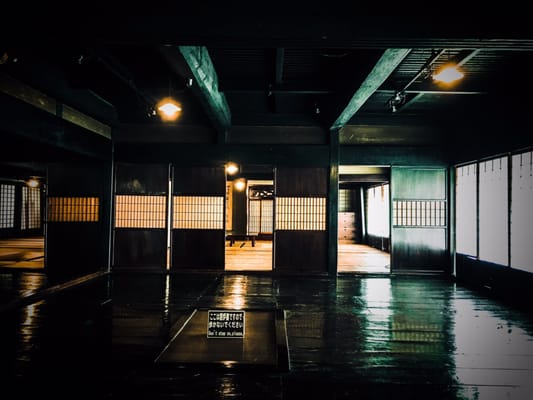
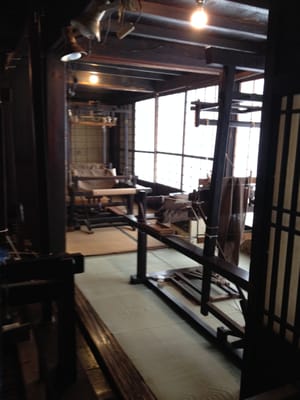
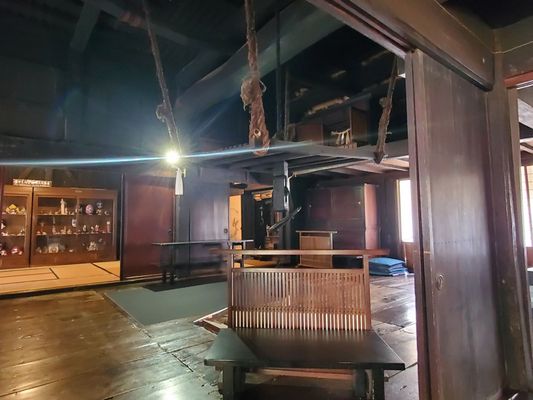
Hida no Sato (Hida Folk Village) is an open-air museum. It preserves over 30 traditional houses from the Hida region, relocated to this site to safeguard architectural and cultural heritage. Highlights: Gasshō-zukuri Houses: These iconic farmhouses, with steep thatched roofs resembling hands in prayer, were originally built in the Edo period (1603–1868). Some are over 250 years old. Historical Interiors: The houses are furnished with authentic tools, farming equipment, and household items, offering a glimpse into rural mountain life. Exhibits: – One house features a fascinating display about silkworm cultivation, including tools and life cycle explanations. – Another showcases marriage-related customs, with ceremonial garments and symbolic items. – A third introduces mountain vegetables traditionally grown in the region and the methods used to prepare them. Traditional Craft Demonstrations: Visitors can watch or take part in workshops such as weaving, lacquering, and sashiko embroidery. Hida Takayama Crafts Experience Center: Located nearby, it offers hands-on activities like making sarubobo dolls and wind chimes. Opening Hours: Daily: 8:30 AM – 5:00 PM Admission: Adults: ¥700, Children (ages 6–15): ¥200. Parking: ¥300

Laura S.

Google
If you visit Takayama, absolutely worth to visit Hida no Sato Village. It gives a very good impression on how people in this area have been living. A lot of information is also provided about local work and craftsmanship

Duy T.

Google
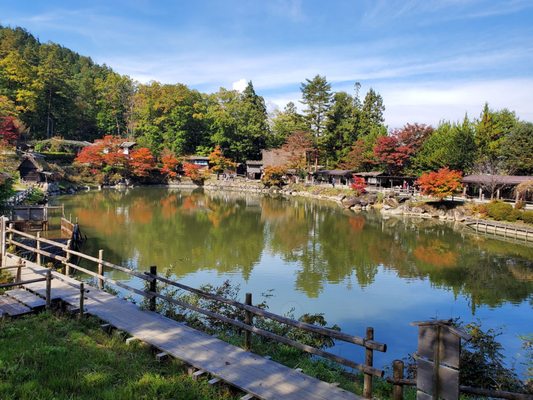
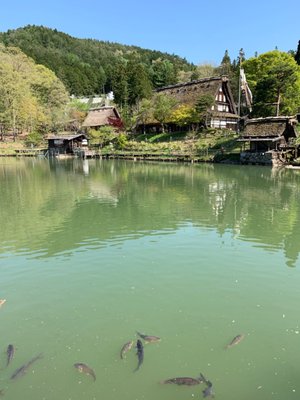
A very peaceful, nature-infused and beautiful place to walk around, take photos and relax. I learned so much more about the Japanese after i came here. There was barely any wait, and the scenery, which was set beside a beautiful lake, was so worth it. Yes, there is a bell here you could ring (usually). Recommended to go in cooler weather, not winter since the shrine is closed in snowy weather due to risk of slipping on snow.

Olivier G.

Google
Beautiful day (2h) spent at the Open Air village. We decided to go here instead of Shirakawago, hoping to be satisfied with what we saw and the quality and beauty of the homes. For a 700¥ entrance fee, instead of a 2500¥ bus ride and additional costs for Shirakawago once there, we were totally satisfied and spent a beautiful 2h visit. We brought our lunch, walked there and ate with the beautiful pond and house view. Highly recommend if you're debating between one of the 2, the house restoration and preservation is beautiful and you can enter many of them and read through many English or Japanese explanations
google avatar

Violet H.

Yelp
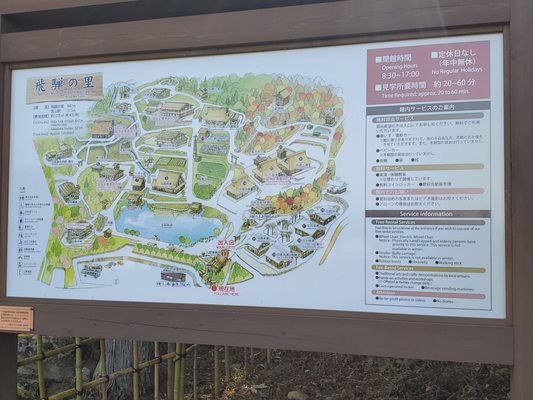
In a world where a lot gets torn down, it's great to have a place like Hida Folk Village where history is preserved. I've been to a similar place in New Hampshire in the United States, where historic structures from different time periods are moved to an outdoor museum location instead of being demolished. Hida Folk Village is accessible - that statement is true, but with some caveats. You cannot get to everything, as steps are required in some places. In other places, you have to get able to step over a threshold. But the big thing is, some of the slopes are steep. Indeed, just to get there, you walk up a slope, then up stairs or another slope. These are not gentle slopes. They will take strength to get up snd control to get down. If you are physically able, you can see everything in perhaps an hour. The setting on the mountains is beautiful. There's a lake in the center. The entrance fee was 700 yen. Strollers and wheelchairs are available, apparently including power chairs of some kind. I would have liked to see one of these. There's a shaded rest area with restrooms and vending machines near the entrance. A gift shop and snack shop are at the bottom of the hill, across from the parking lot. The Nohi bus stop is right in front of the shop. On certain days and times, there are demonstrations. By the gift shop is a place where you can take part in crafts.
google avatar

Mar L.

Yelp
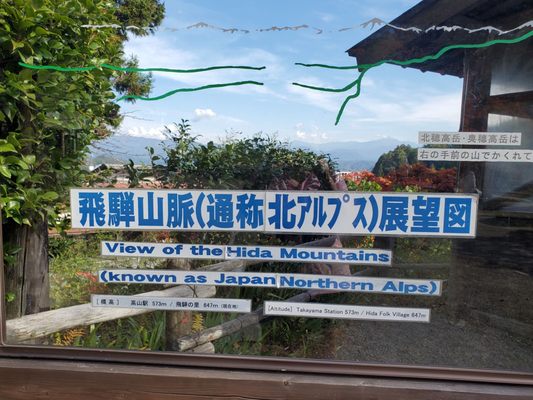
Very beautiful place! The Japan Alps in the distance added to the quaint rustic charm of the village. There were various interactive activities like wooden stilts, origami, wooden water guns. Parasols and boots were available for rent for free. We saw some artisans engsged in their craft. The houses were from the different parts of Hida.
google avatar

Ideru C.

Yelp
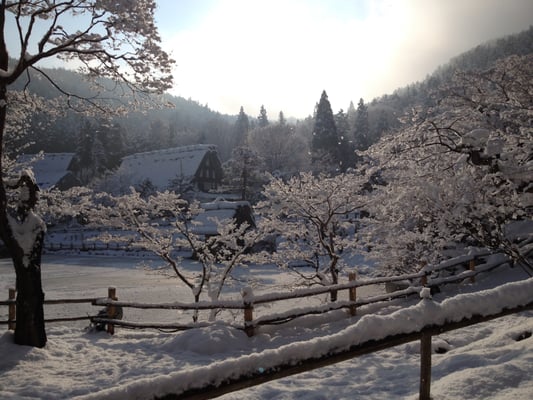
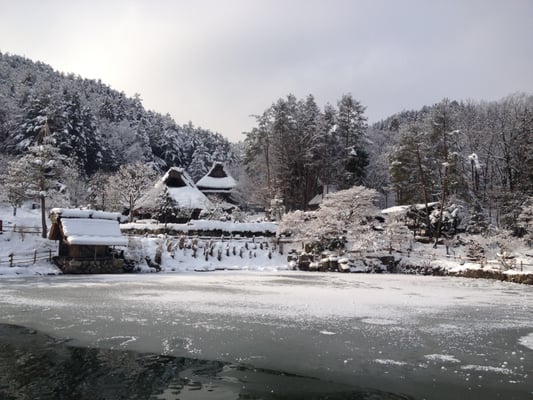
I'm very happy that I finally visited this place. For somebody who comes from a tropical country seeing this much snow is amazing. Hida no Sato is an open museum of the former old village, Nobody is now living in this houses anymore but it has been preserved. You can enter the houses and explore inside and see how the old village used to live. And of course enjoy the snow all over the place. I'm pretty sure,it's freezing there in the winter but if you go inside the houses you can still feel the warmth inside. It's a great place to explore and get to know how the villagers of long ago lived.
google avatar

Micah B.

Yelp
One of a kind! Very cool historic (simulated) Japanese village. I say simulated because I don't want you to think it's like an Amish village you can walk through. They did go through a lot of effort to create this exhibit though. One of the houses was actually loaded whole onto a trailer and driven here! It's very cool because unlike the museums where they'll do up one room, here you can go inside the entire home from different time periods. A few of them even have attic access. One of the consistently overlooked aspects of historical living is the home life of everyday citizens. Probably one of the best, if not the best, historic villages I've ever been to.
google avatar

Tery L.

Yelp
A must se when in a Takayama. An old village up in the hills with picturesque views of Takayama. Nature at its best.