George F.
Google
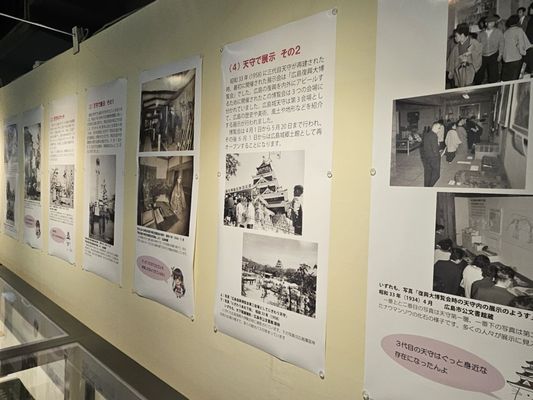
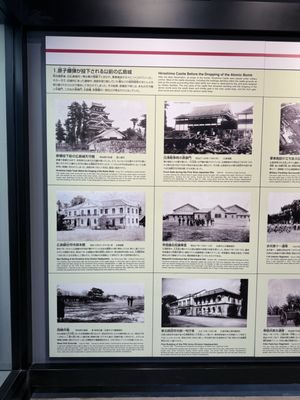
Lots of history and has a museum on site.
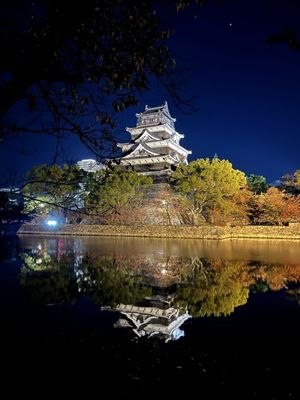
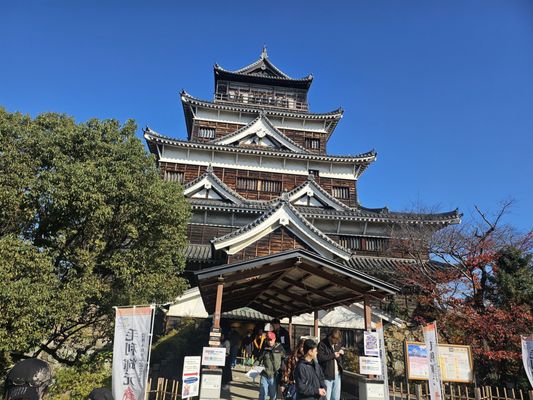
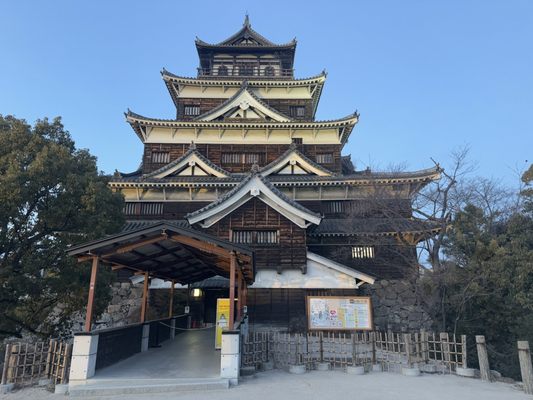
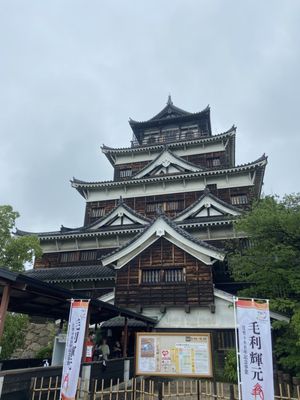
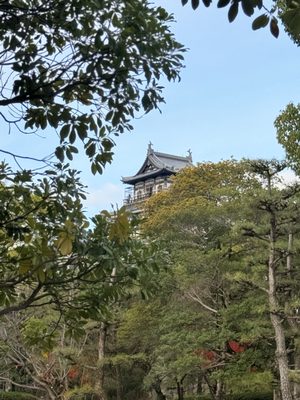
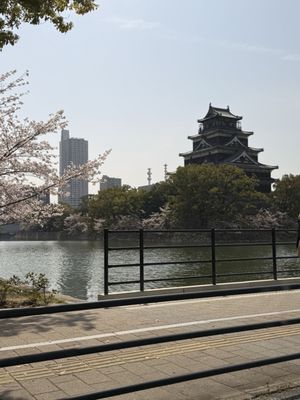
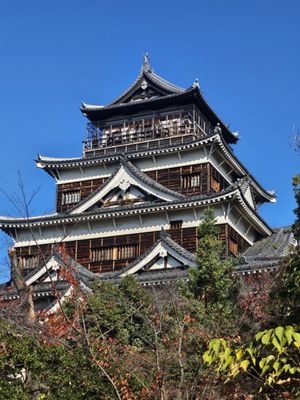
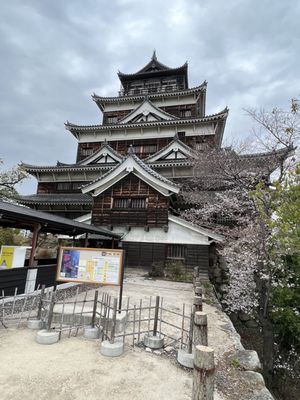
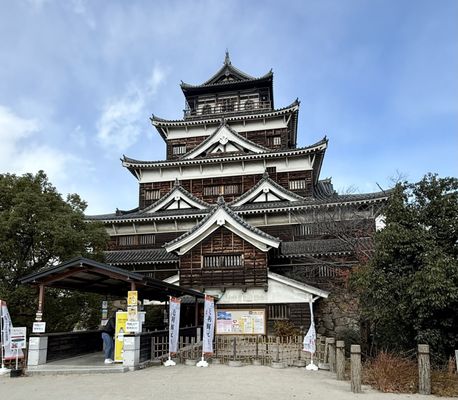
Often called Carp Castle (Rijō), is a rare "flatlands castle" that serves as a powerful symbol of the city's pre-modern heritage and its post-war resilience. Unlike typical Japanese castles perched on hills, it was built on a delta to utilize water transportation and defense.
Feudal Governance: After the Mōri clan was displaced following the Battle of Sekigahara in 1600, the castle was ruled by the Fukushima clan and later by the Asano clan, who governed for 12 generations throughout the Edo period.
Military Center: Following the Meiji Restoration, the castle transitioned from a feudal residence to a critical military base, serving as the Imperial General Headquarters during the First Sino-Japanese War (1894–1895).
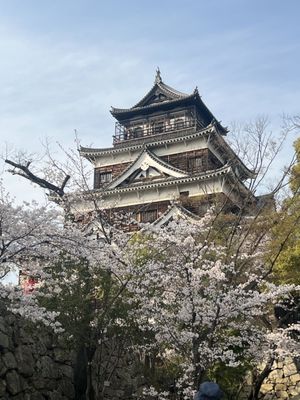
Tragedy and Rebirth: On August 6, 1945, the original 16th-century wooden structure was completely leveled by the atomic bomb. The current five-story keep is a 1958 reconstruction made of ferro-concrete with a traditional wooden-clad exterior.
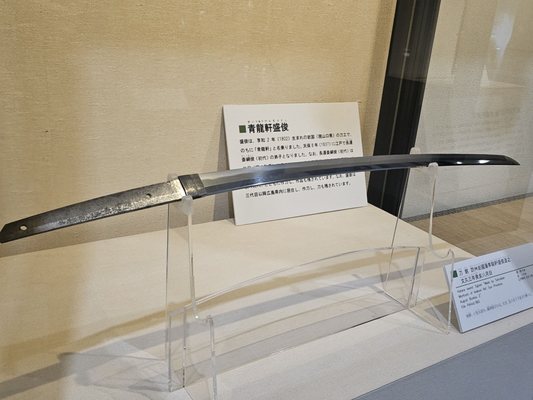
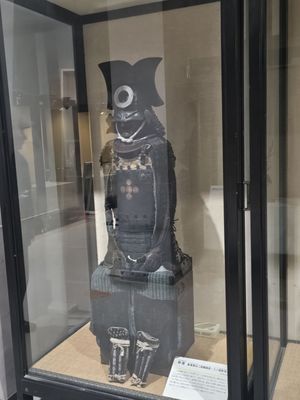
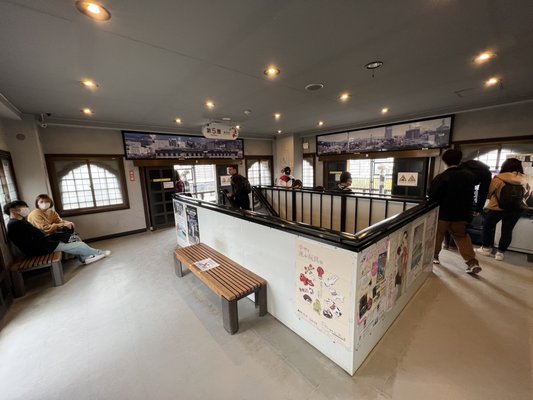
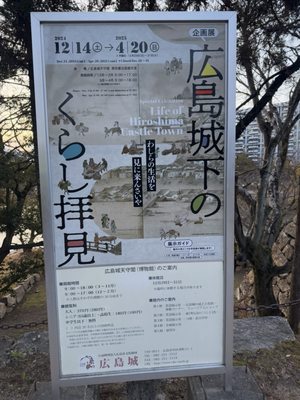
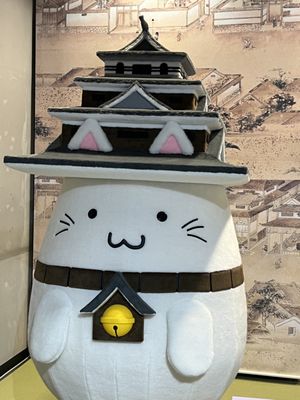
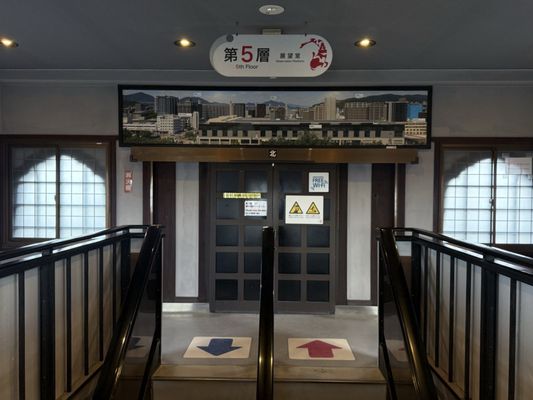
Interactive History Museum: The keep's interior houses an extensive museum chronicling Hiroshima's development, featuring samurai armor, weapons, and scale models of the original fortress.
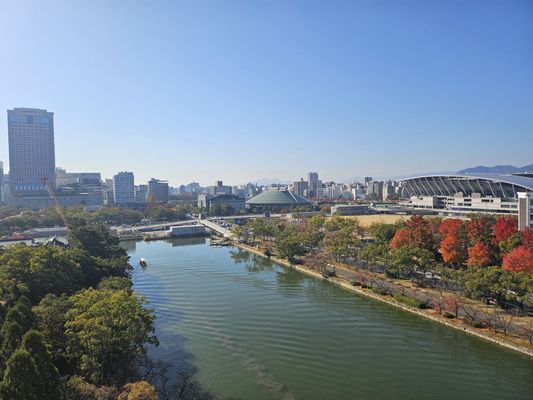
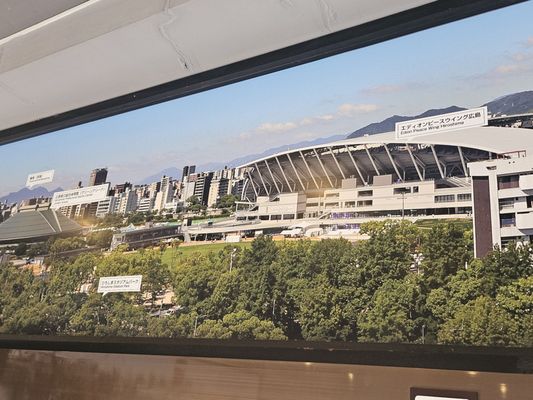
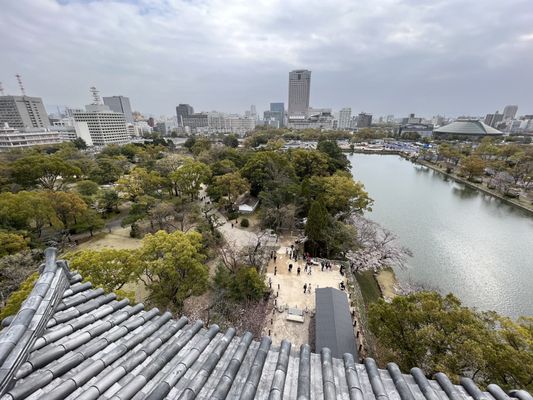
Observation Deck: The top floor provides 360-degree panoramic views of the city, including sights of the Atomic Bomb Dome and Shukkeien Garden.
Survivor Trees: Living reminders of the blast, three "A-bombed" trees—a willow, a eucalyptus, and a holly—still grow within the castle walls, symbolizing the city's ability to flourish after devastation.
Restored Compounds: Beyond the main keep, visitors can explore the Ninomaru (second circle of defense), which was reconstructed in 1994 using traditional timber techniques to recreate the main gate and turrets.