Lana G.
Yelp
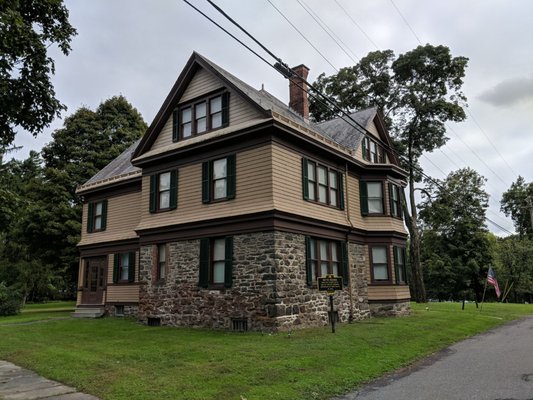
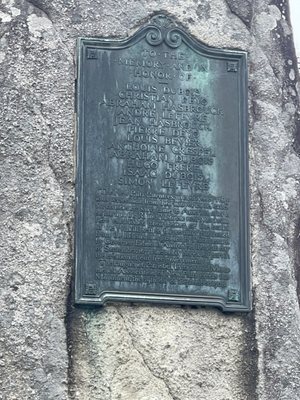
This is a National Historic Landmark District and a must-see in the Hudson River Valley.
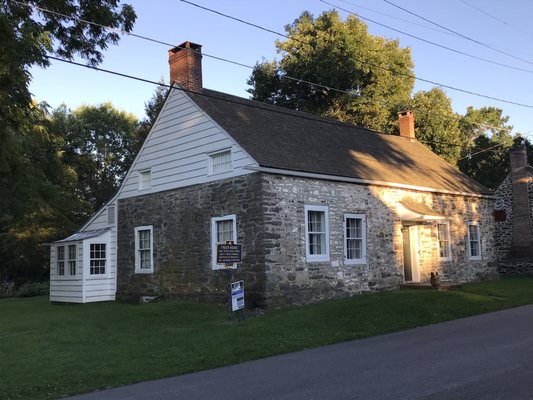
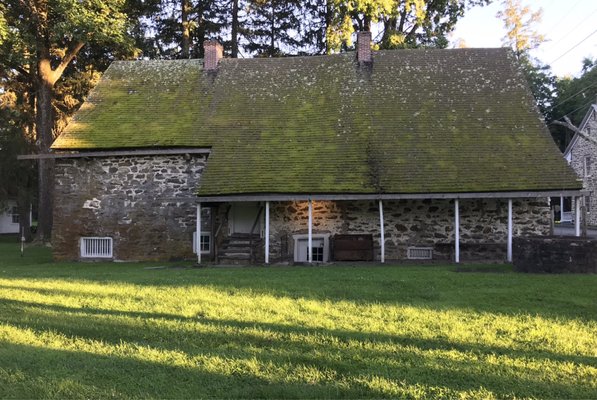
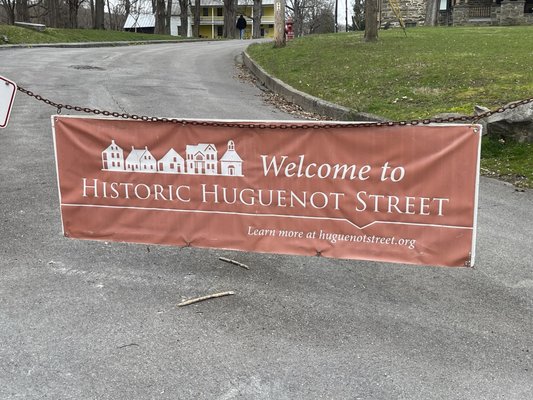
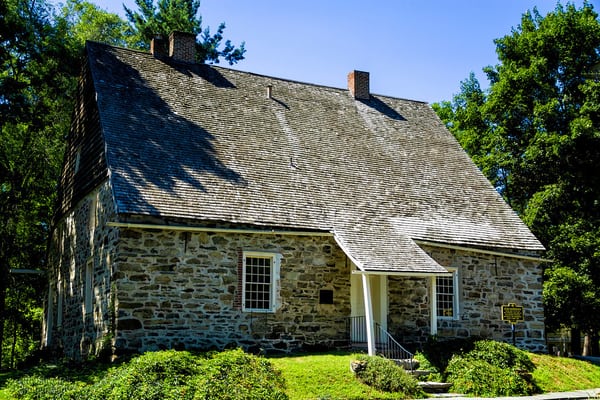
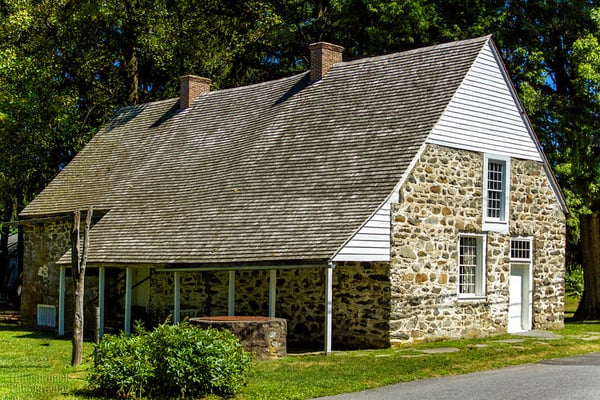
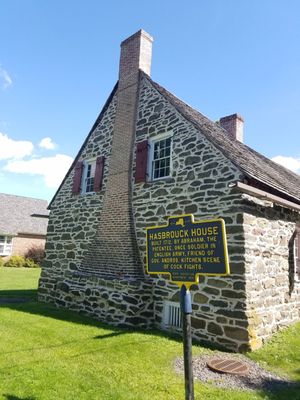
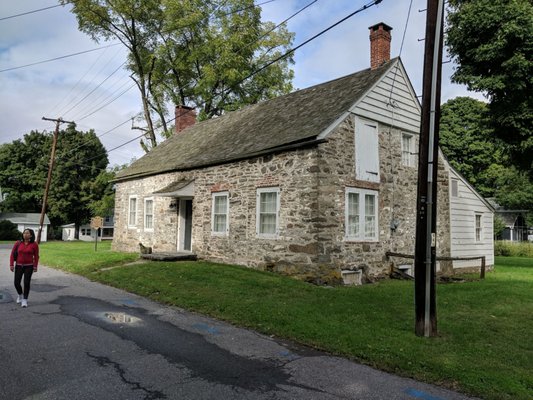
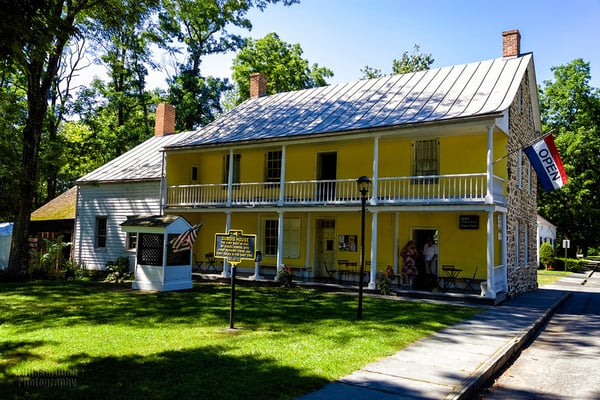
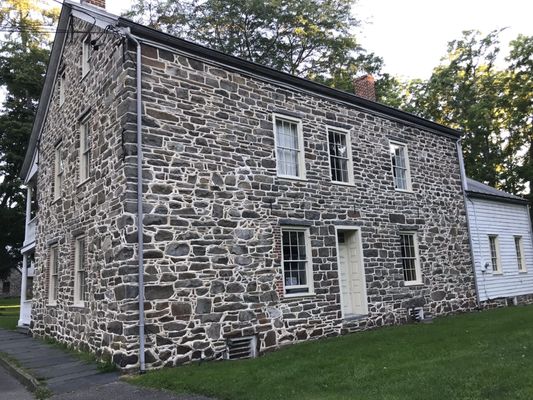
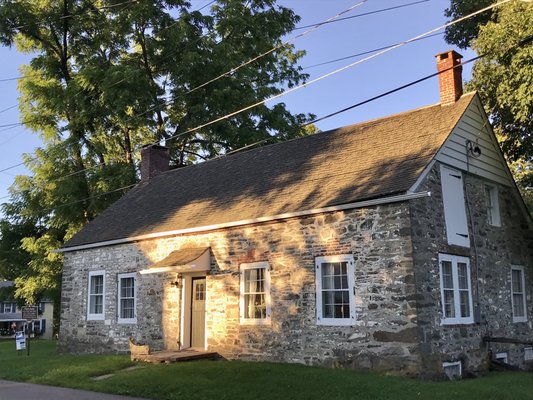
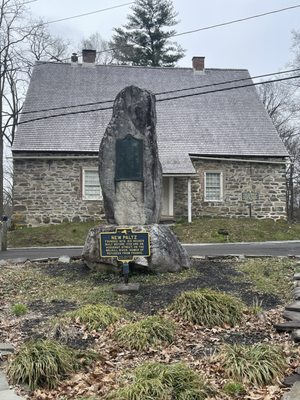
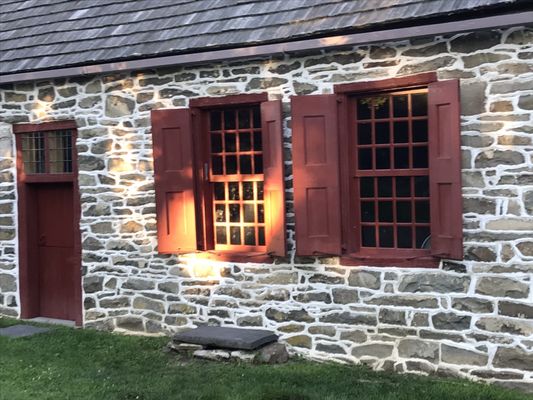
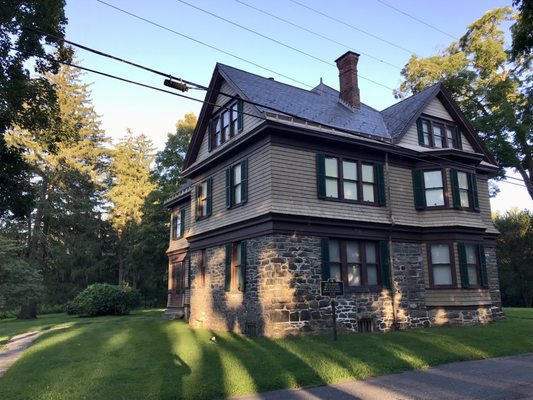
"Historic Huguenot Street is a six acre site featuring a collection of restored, furnished Dutch-style stone houses open to the public as historic museums. New Paltz was founded in 1678 by twelve Huguenot [French Calvinist] families who fled religious persecution in what is today northern France and southern Belgium." That summary, from a brochure, hardly does justice to these homes, which date to the early Eighteenth Century. At the time, in the wild Hudson River Valley, these homes were quite upscale if only because they were STONE. By today's standards, life must have been hard, hard, hard.
Picture a stone house with one room, perhaps fifteen by twenty feet, with one Dutch door, one or two real glass windows and a jamless fireplace. "Jamless" means that it has no sides. It isn't what we'd call a fireplace at all. It is simply a large hearth, perhaps eight by ten feet, located against one wall and open on the other three sides. It takes up a good part of the room. It is where a fire is kept for heat and where all the cooking is done. Above it, about ceiling height, a hearth-sized opening leads to the chimney. The opening is bordered by a narrow strip of hanging cloth to help encourage the smoke to vent. This "fireplace" wants a constant fire watch and the home's inhabitants live a smoky existence.
Picture the furnishings. There's an open cabinet with a few candles mounted with wax near the front edges of the shelves. The family plate is displayed behind the candles, propped upright against the back of the cabinet to reflect a bit of candlelight into the dark interior. There's a pedestal table. The table top is hinged. It can be raised to a vertical position so it can be placed against a window to form a crude interior shutter. With the top vertical, the pedestal can be used as a chair. Under the pedestal seat, there is a small space for storage. There's a narrow, short bed for the married couple, who sleep in a semi-sitting position. There's the couple's pride and joy, an armoire, their wedding present, containing all their linens and other valuables. And there's room on the floor for their ten or twelve children to bed down.
Outside, there's an entrance to the slave cellar, where another ten or twelve people live, without a window. No doubt it was psychologically important for the owners to be "on top," but the cellar would have been warmer in the Hudson River Valley's cold winters and cooler in its hot, humid summers than the room above. Without the jamless fireplace, the air in the cellar would have been clearer, too.
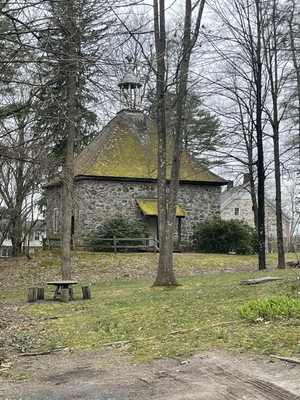
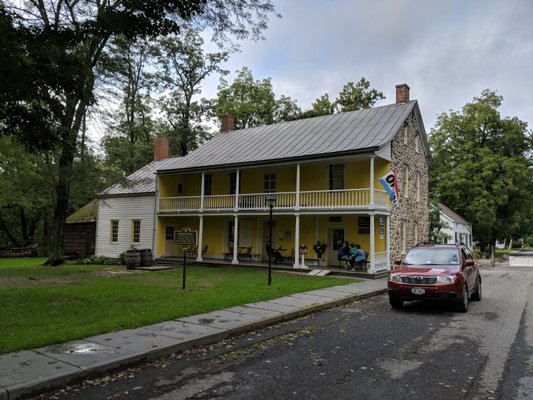
Some of the homes have additions -- typically, one-room additions for another family -- from the late Eighteenth or early Nineteenth Century. There is a reconstructed church. Finally, there is an original three-story grand stone construction that was used as a store and a fort and which, today, serves as a museum shop and departure point for the guided tours.
Our tour guide was wonderful, full of fascinating information about the homes and also about how these people lived. By their standards, they lived quite well.
Absolutely not to be missed. (See also our review of the Hudson River Valley National Heritage Area.)