Simon L.
Google
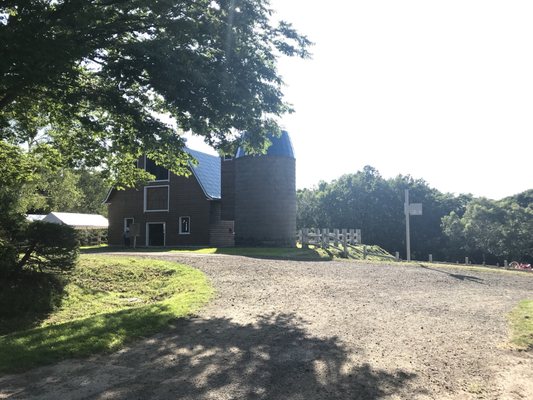
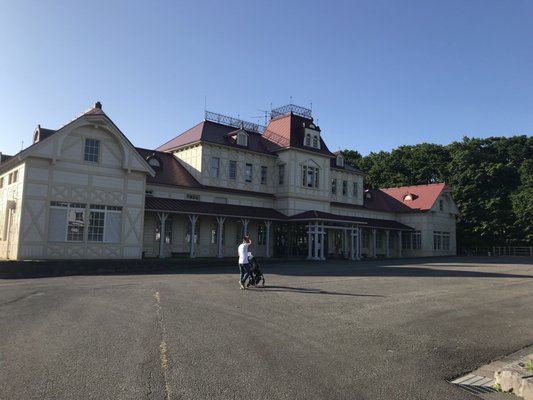
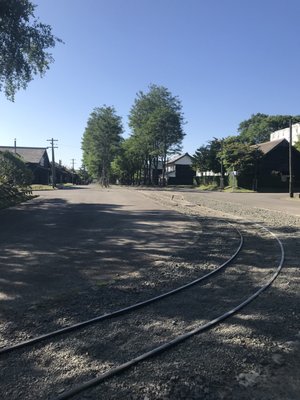
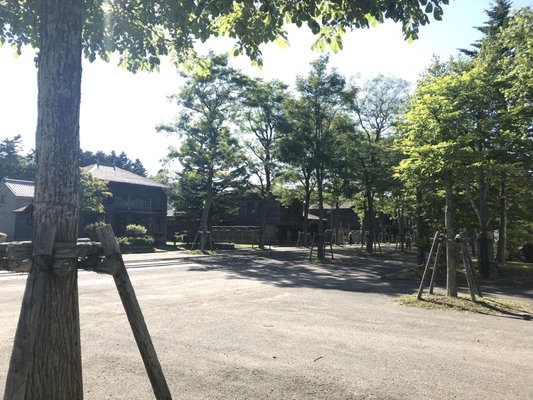
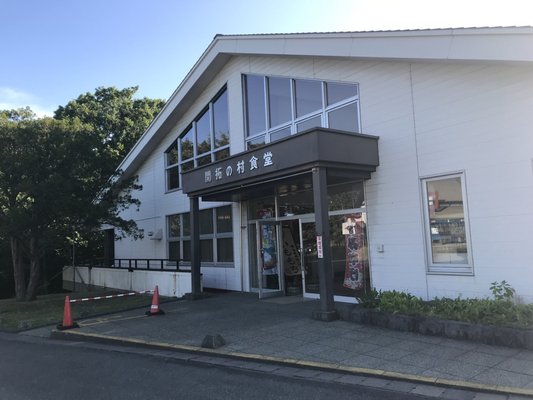
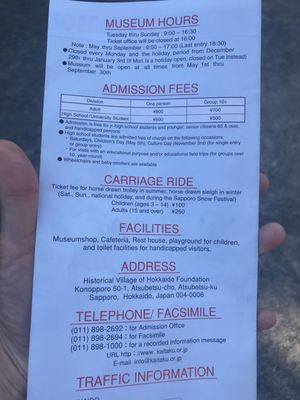
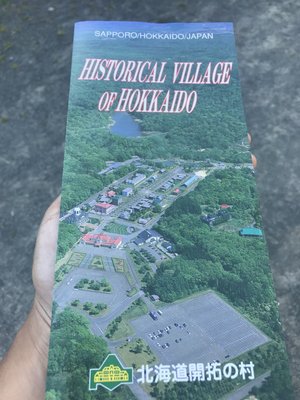
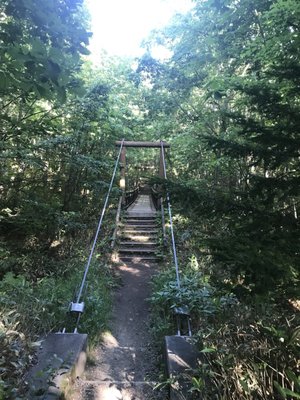
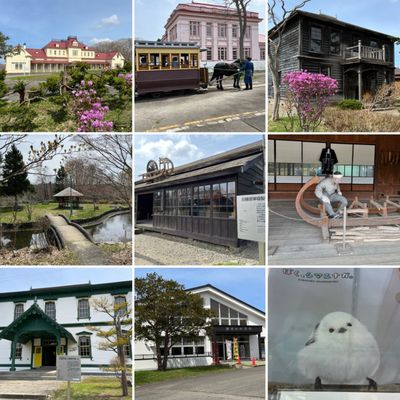
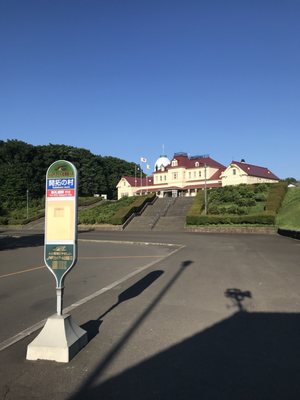
We spent our last full day in Sapporo exploring the Historical Village of Hokkaido 野外博物館 北海道開拓の村. It is an open-air museum located near Sapporo that showcases the pioneer days of Hokkaido from the Meiji period (1868 - 1912) to the early Showa era (around 1926).
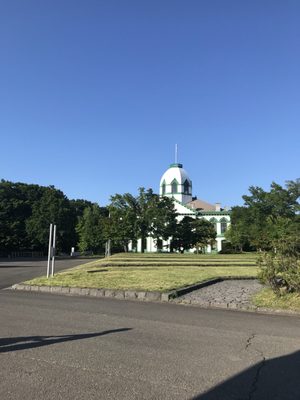
Established in 1983, it features 52 historical buildings that were relocated and reconstructed to preserve and present the architectural and cultural heritage of Hokkaido during its development era.
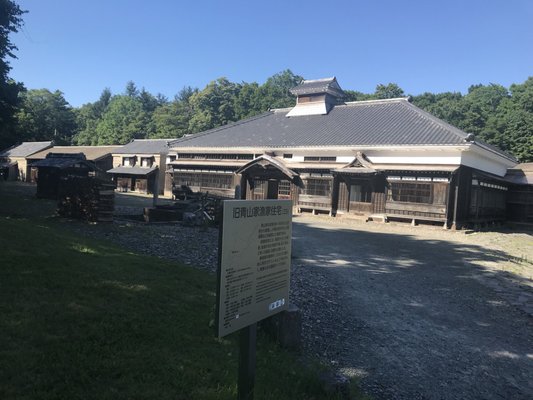
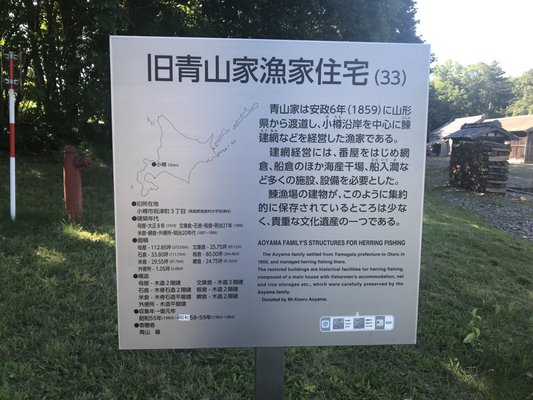
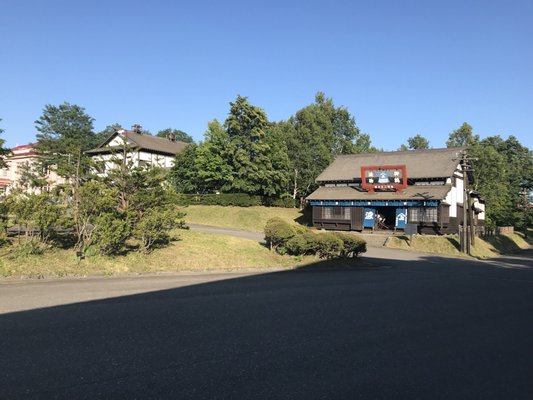
The village is divided into four distinct zones reflecting different aspects of life: a town area, fishing village, farm village, and mountain village. Each zone offers visitors a glimpse into the lifestyles, trades, and daily hardships faced by settlers and residents in Hokkaido’s early days of colonization and development.
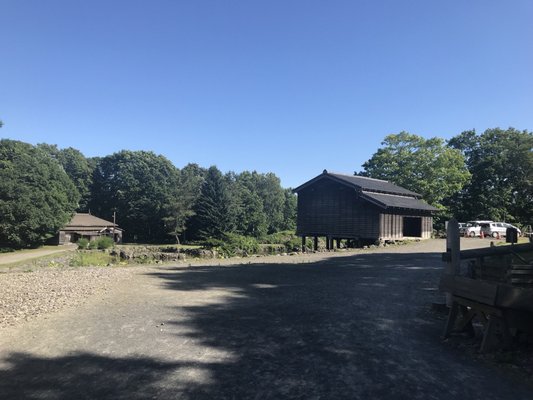
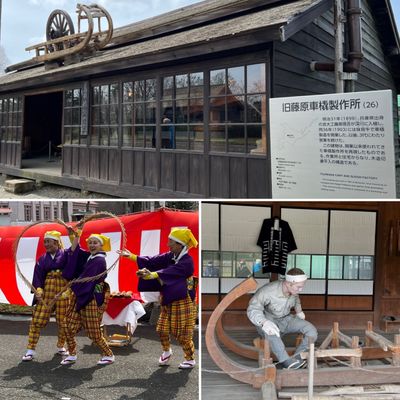
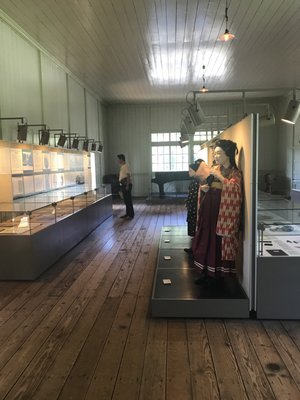
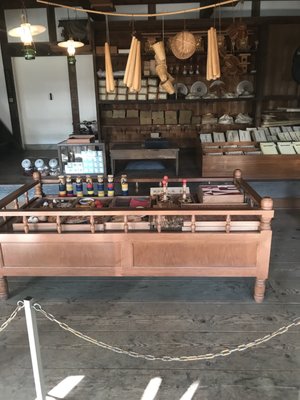
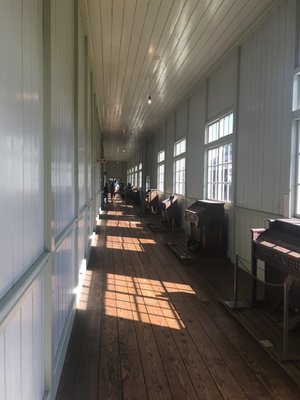
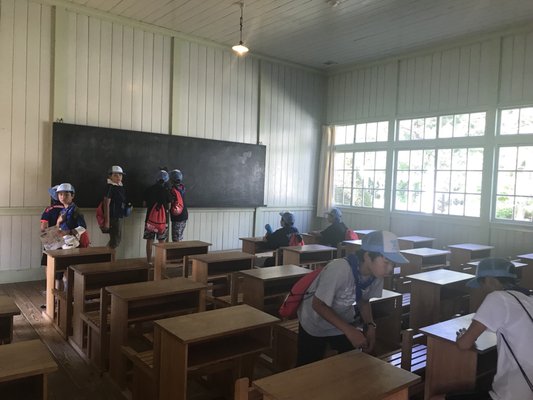
The architecture and interiors of these buildings are meticulously furnished with period-appropriate furniture, tools, and artifacts, creating a vivid impression that the inhabitants might return at any moment. This immersive environment brings history to life, with some buildings staffed by guides or featuring mannequins to further illustrate the era’s lifestyle. The village also highlights the unique influence of American advisors who aided Hokkaido’s development by introducing frontier farming methods and architecture designed to withstand the region’s harsh winters.
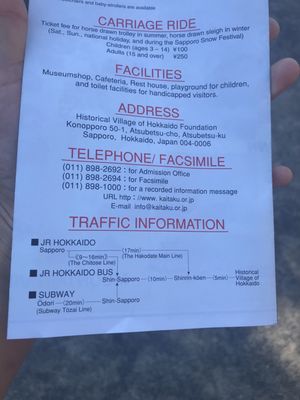
Visitors can experience the village more fully by riding a horse-drawn tram or sleigh that runs between the different zones, enhancing the feeling of stepping back in time. It offers an educational yet enjoyable way to learn about Hokkaido’s history, culture, and the challenges faced by those who helped shape the region 150 years ago.
Overall, the Historical Village of Hokkaido stands as a rare, living museum where people of all ages can appreciate the pioneering spirit and rich heritage of Hokkaido’s frontier days. We have spent nearly 4 hours there.