Grahame G.
Yelp
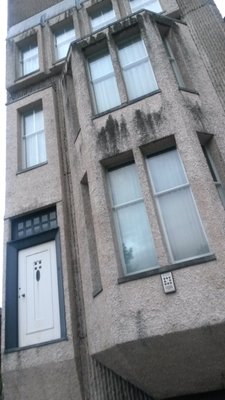
For a real flavour of how Mackintosh and his wife Margaret McDonald so radically transformed the art scene, I would recommend a visit to The Tenement House in Garnethill (which will show you what Glasgow tenements were like in Victorian days) before coming here. It is near-impossible to imagine that this interior started out as a typical Glasgow tenement on nearby Southpark Avenue, such is the transformation that they wrought on it. Moving from the typical dark Stygian Victorian décor to this wonderful temple of light that they created was a quantum leap in interior design that still resonates even today.
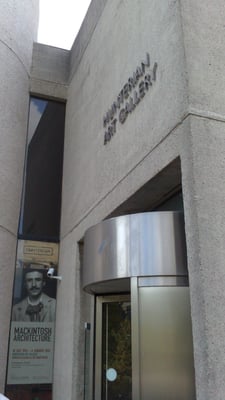
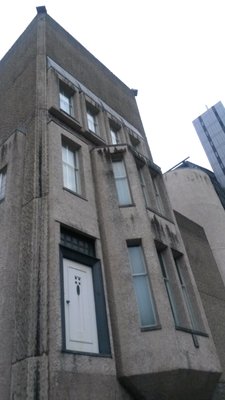
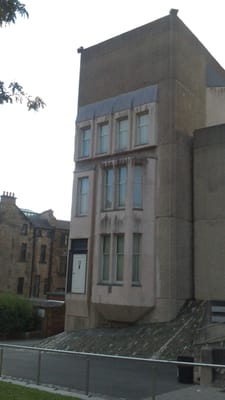
The actual house was demolished as it was thought to be unstable when the University were building next to it - however it turned out to be not as bad as was originally thought and could have been saved, which leaves the University in something of a questionable position to say the least. It is rather ironic then that this specially-built extension to the Hunterian Art Gallery, constructed solely to house the interiors of the Mackintosh house, is now in such a parlous state of disrepair itself that it is going to have to be dismantled and moved to the new Kelvin Hall museum extension where it is not going to enjoy the wonderful natural light and east-facing views that it currently has.
Mackintosh's interiors are all about the light - how it can be introduced and channelled into the space. He installed extra windows in the south wall of the house and in the hallway used a mirror to spread the light around the otherwise dark wooden walls. Little arrays of square stained glass pieces (something of a Mackintosh trademark) catch your eye when the light is behind them. In the main living area, the transom in front of the bay window is dropped to just above head height, which seems very counter-intuitive until you see how this matches up with the height of the doors, the dropped picture rail, the new side window, and the opening knocked through to the back room (yes, this is not a modern idea!). It completely changes the proportions of the space and focuses the light where it is needed.
The house contains the Mackintoshs' own furniture - all to their design of course - and there are some wonderfully quirky pieces, such as the small wooden chair with the heart- (or buttock-) shaped depression on the seat that looks so inviting. The large high-sided box chair (surely inspired by Orkney chairs) looks as though it would be very cosy on a draughty winter's day. I also loved his personal writing cabinet in the rear space, which with its doors open looks almost like a small Japanese lady in a kimono; Mackintosh, along with several other of his fellow artists, at the time, was heavily influenced by Japanese design that was just starting to make an appearance in the West.
I could continue to wax lyrical about the Mackintosh house as I love it so much, but there is also the main Hunterian Art Gallery to consider. Personally I find this rather overshadowed by the Mackintosh house, yet it is a fine collection and there are some notable works by Rubens, Rembrandt and Chardin as well as the Scottish Colourists and Glasgow Boys. It also has the largest collection anywhere of works by American artist James McNeill Whistler.
The Art Gallery is free, although they sometimes charge for special exhibitions, but there is a small charge (£5) for entry to the Mackintosh House. Get there early on a sunny morning (it opens at 10am, 11am on Sundays) for the best experience.