Hyde Park Barracks
Heritage museum · Sydney ·
Museum detailing convict life with interactive exhibits and audio tours










Museum detailing convict life with interactive exhibits and audio tours
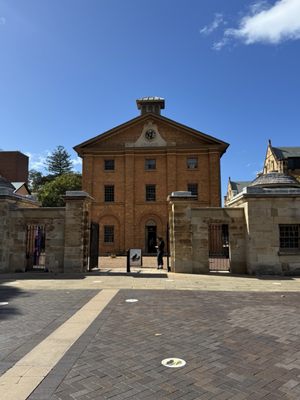
"Since opening in 1819, Australia’s first barracks has housed British convicts, female immigrants, destitute elderly women, courtrooms, and government offices until it was finally declared a museum in 1979. During a twice-daily tour, or with the help of an audio guide, visitors get a glimpse of how high-skill prisoners lived, worked, and slept (on hammocks) during the 19th century—often freely working in the city by day but sleeping alongside more than 1,000 thieves, conspirators, bank robbers, pirates, and bushrangers by night. Offered in the original convict bakehouse and store, a house-made pot pie, burger, or cake with a schooner of beer at Bakehouse is a welcome end to the experience. Outside, freedom has never felt so good."

"Since opening in 1819, Australia’s first barracks has housed British convicts, female immigrants, destitute elderly women, courtrooms, and government offices until it was finally declared a museum in 1979. During a twice-daily tour, or with the help of an audio guide, visitors get a glimpse of how high-skill prisoners lived, worked, and slept (on hammocks) during the 19th century—often freely working in the city by day but sleeping alongside more than 1,000 thieves, conspirators, bank robbers, pirates, and bushrangers by night. Offered in the original convict bakehouse and store, a house-made pot pie, burger, or cake with a schooner of beer at Bakehouse is a welcome end to the experience. Outside, freedom has never felt so good."
"Since opening in 1819, Australia’s first barracks has housed British convicts, female immigrants, destitute elderly women, courtrooms, and government offices until it was finally declared a museum in 1979. During a twice-daily tour, or with the help of an audio guide, visitors get a glimpse of how high-skill prisoners lived, worked, and slept (on hammocks) during the 19th century—often freely working in the city by day but sleeping alongside more than 1,000 thieves, conspirators, bank robbers, pirates, and bushrangers by night. Offered in the original convict bakehouse and store, a house-made pot pie, burger, or cake with a schooner of beer at Bakehouse is a welcome end to the experience. Outside, freedom has never felt so good."
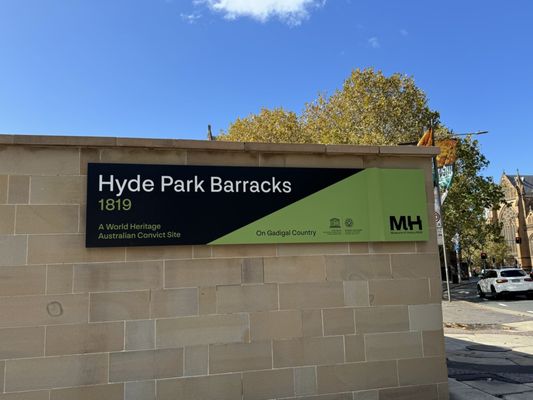
"UNESCO World Heritage-listed Hyde Park Barracks Museum is one of Australia’s most significant convict sites, housing some 50,000 British-transplant convicts between 1819 and 1848. The building, restored and transformed into a museum in 1979, offers a moving look at convict life. Visual displays of artifacts, such as convict carpentry tools, are mixed with audio installations and interactive experiences. For example, you can lie in a convict hammock in the cramped dormitory, try on leg irons and convict clothes, or search a database for stories of inmates." - Sophie Davies

"This heritage-listed site originally housed male convicts arriving from Great Britain. After transportation stopped in 1840, it became the Female Immigration Depot, a hostel for orphaned girls fleeing the Irish Potato Famine, and later, an asylum for elderly women. After closing in 1886, it remained dormant until an extensive restoration in 1975. Now, it’s a fascinating museum with interactive exhibits that offer insight into the lives of convicts and migrants in Sydney." - Gayatri Bhaumik


