David J.
Yelp
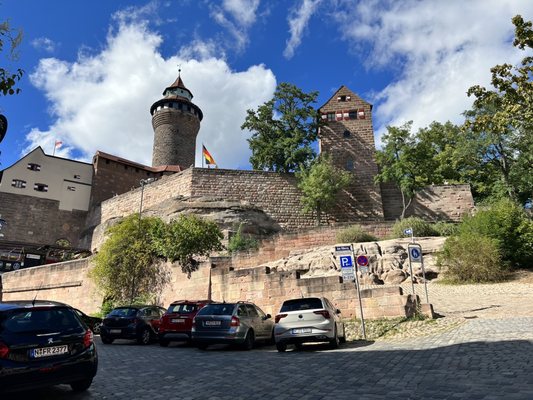
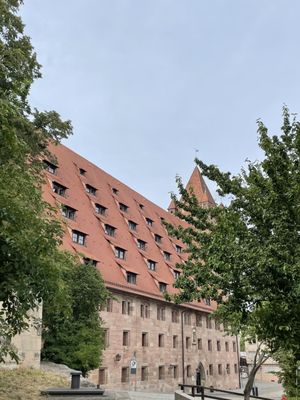
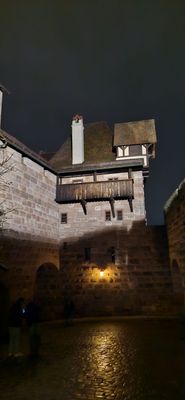
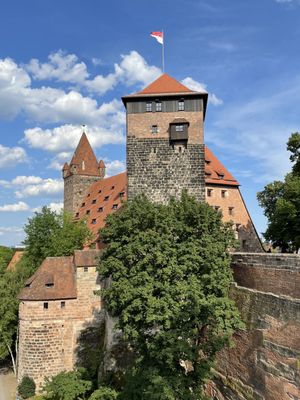
The Kaiserburg or Imperial Castle dominates the skyline of Nuremberg and is a great place to get your historical bearings. As castles go, it's not actually that large, but requires a good afternoon visit.
The history of the castle is intimately tied up with the Holy Roman Emperors, the elected kings who controlled much of what is now Germany through the Middle Ages, for whom Nuremberg, as capital of Franconia, was a strategically important location.
Excavations have indicated the presence of walls from as early as 1000, but the castle was developed significantly by the Salian kings from around 1050, most notably by Henry III. The castle was developed further by the Hohenstaufen emperors from 1125 onwards, and the Habsburgs from 1273, and it is substantially their castle we see today. The castle became the property of the City from the early 1800s.
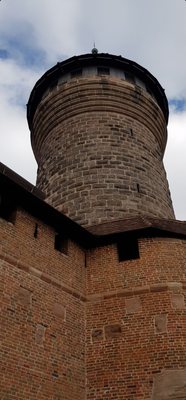
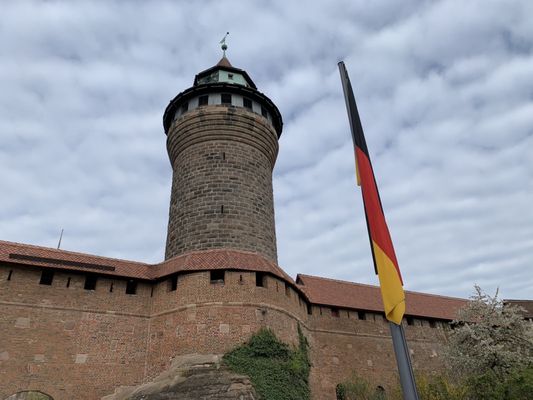
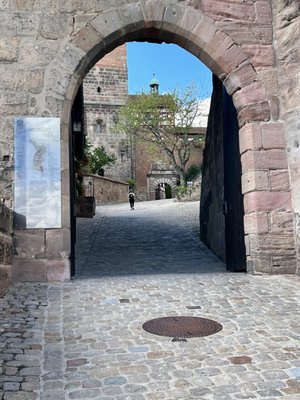
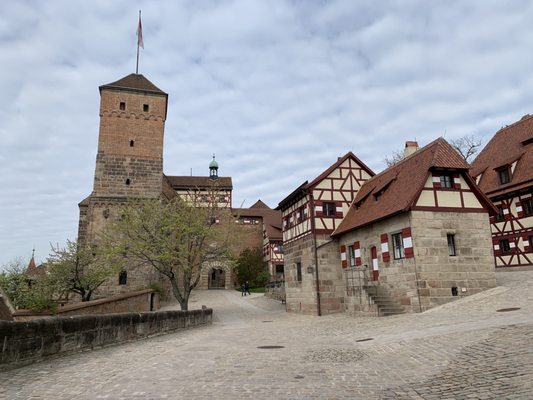
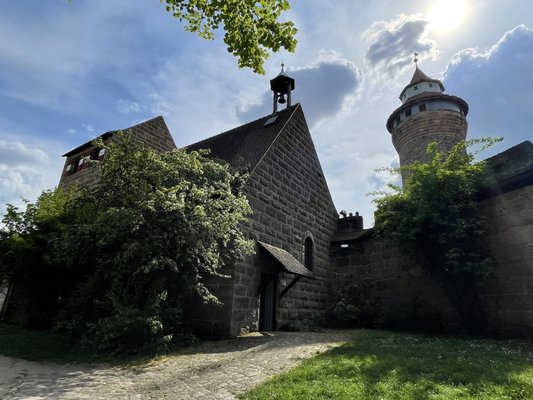
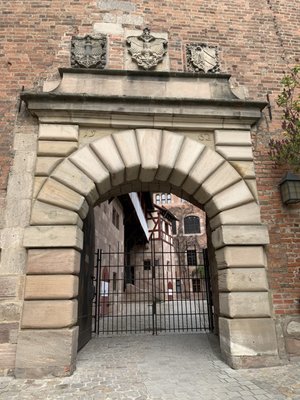
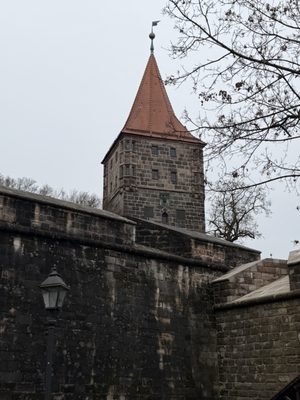
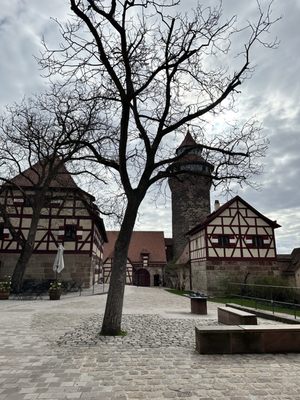
The castle itself is approached up a steep cobbled street through the main gate, immediately facing the Heathens' Tower in front, and to the right is the dominating circular Sinwell Tower. This is worth climbing for fantastic views of the castle and city - it is accessed by turnstile on a combined ticket that also includes the castle.
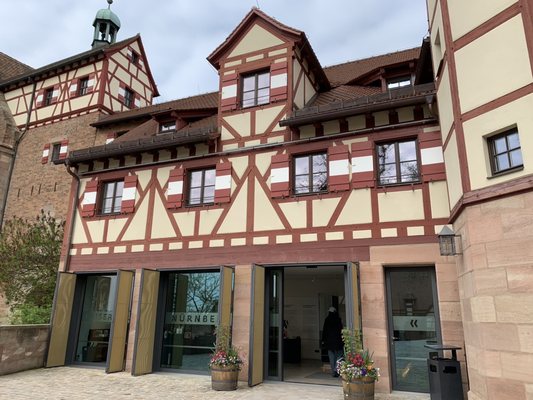
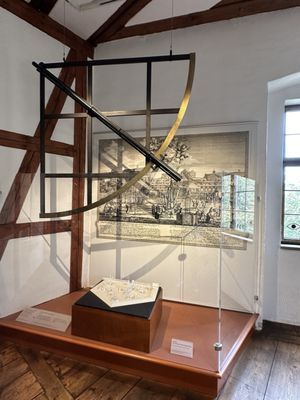
The castle's inner courtyard is the start of a visit to the main castle: exhibits in the main Imperial rooms (the Palas) explain the complexities of the rule under the elected Holy Roman Emperors, and the rise of Nuremberg as an Imperial City in the Middle Ages.
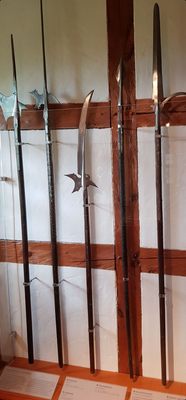
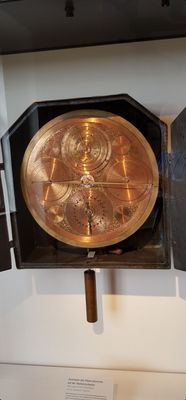
This is followed by an exhibition about the castle itself, the history of arms and armaments (some excellent suits of armour) and some of its more notable visitors.
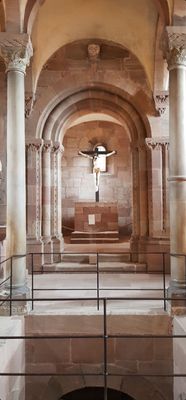
A highlight is the beautiful Romanesque double Chapel, and there is also a lovely small garden with more excellent views.
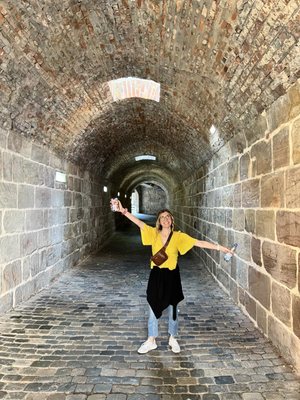
Accessibility is a challenge, as one might expect in a mediaeval building: steep cobbled roads everywhere, lots of steps, and heavy doors. The Sinwell tower has a very high wooden spiral staircase, which is fine if you have a head for heights.