Anna K.
Google
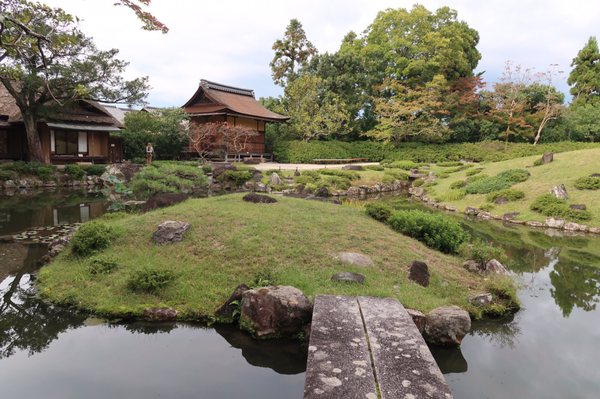
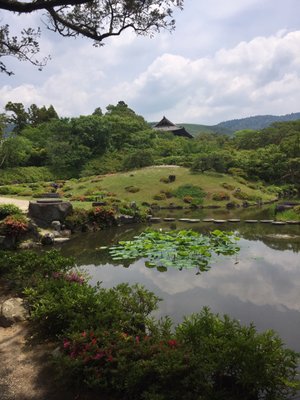
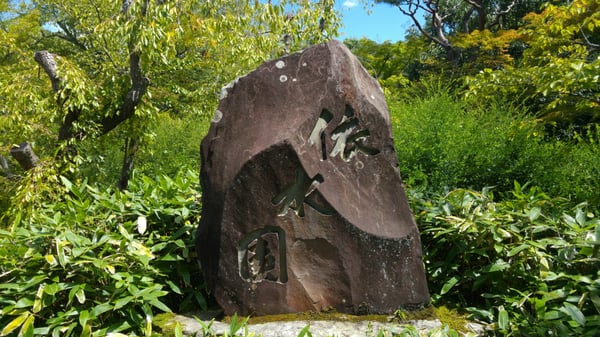
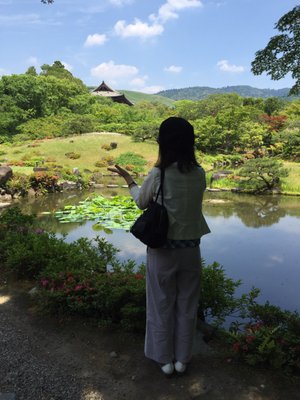
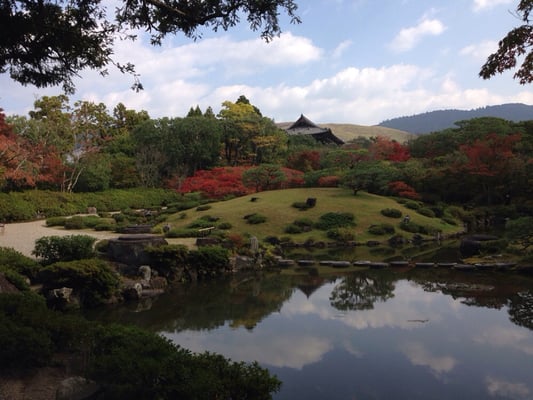
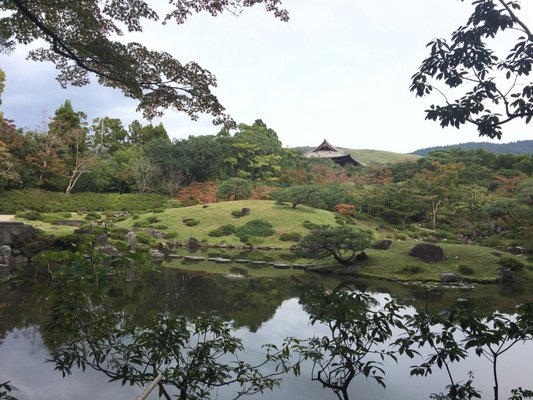
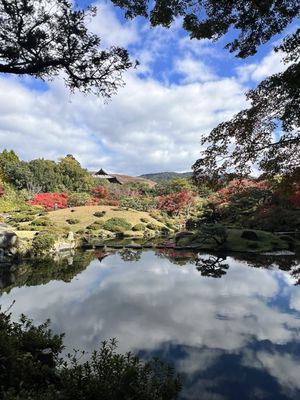
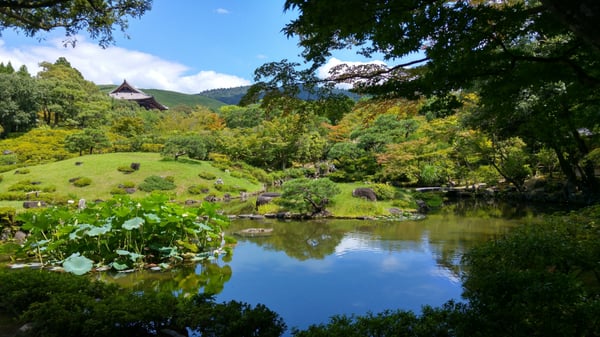
Isuien is one of Nara’s most refined strolling gardens, remarkable for its use of shakkei (“borrowed scenery”). The garden frames views of Mt. Wakakusa and the Great South Gate of Tōdaiji so naturally that the surrounding landscape becomes part of the design itself. This visual layering is intentional and dates back to the Edo period, when the garden was reconstructed by a wealthy Nara merchant who sought to create an idealized miniature landscape.
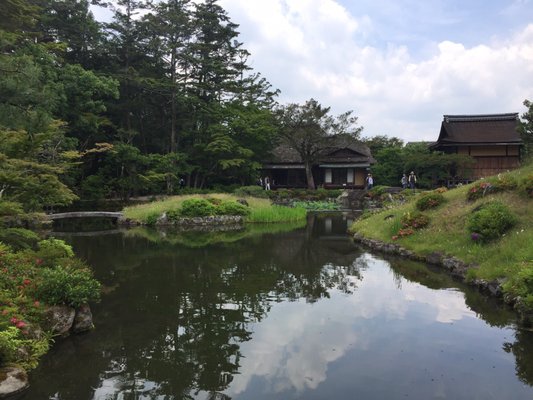
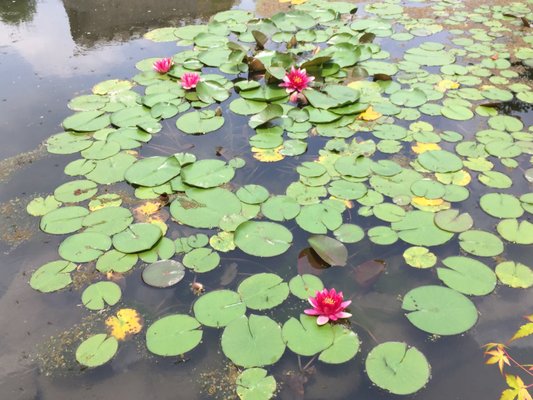
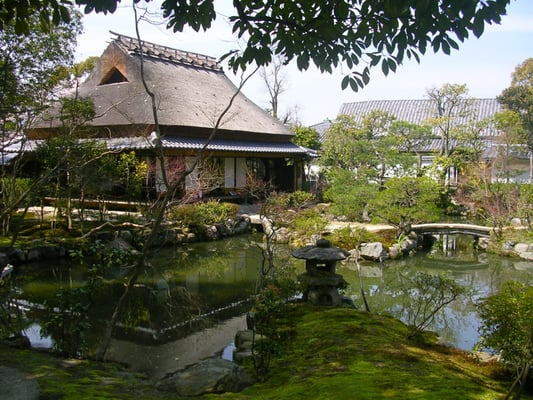
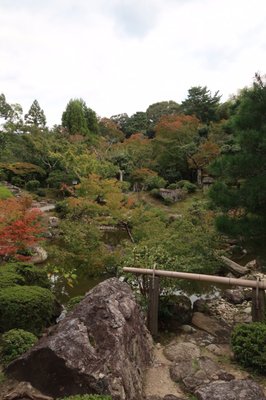
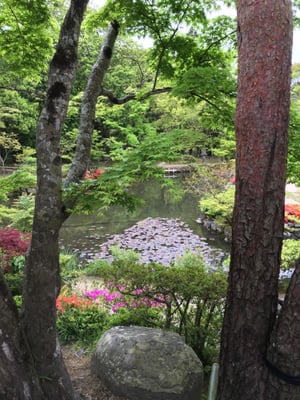
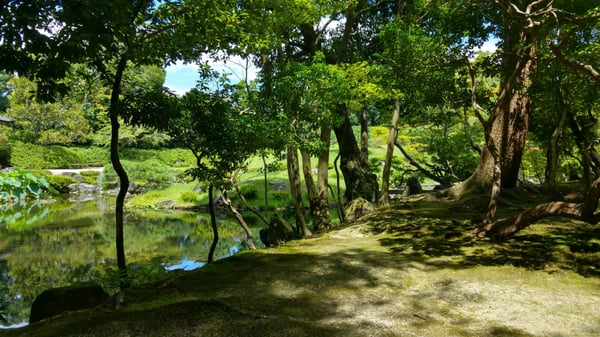
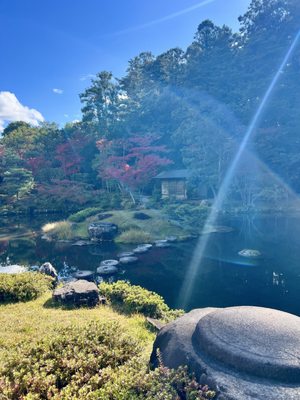
The garden is divided into two sections from the Meiji and Edo eras, connected through a carefully planned sequence of ponds, stone bridges, streams, and small hills. Even in December, when many gardens lose colour, Isuien remains exceptionally atmospheric. Winter berries of nanten form bright red accents above the water; late-blooming tsuwabuki adds warm yellow tones in the mossy areas; and the reflections of clouds on the still ponds create scenes reminiscent of ink paintings.
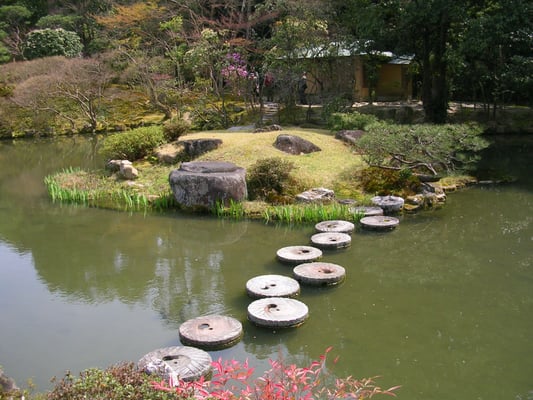
Several stone bridges display a single rounded stone placed at the centre. This traditional feature, known as sekidome, indicates that the bridge is decorative rather than functional — a subtle Japanese way of guiding visitors without signage or barriers.
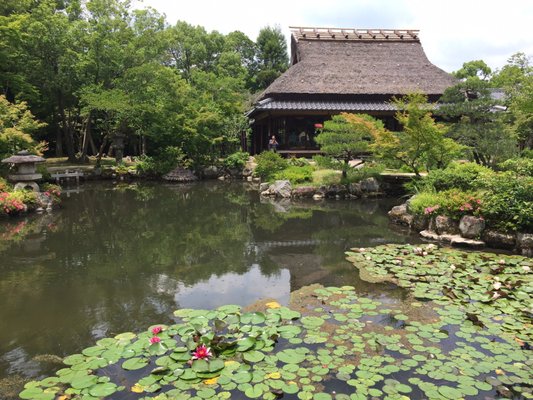
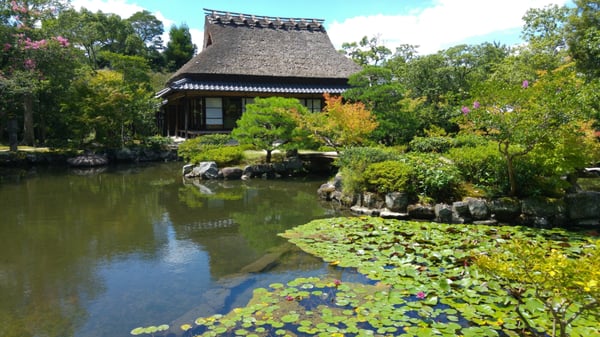
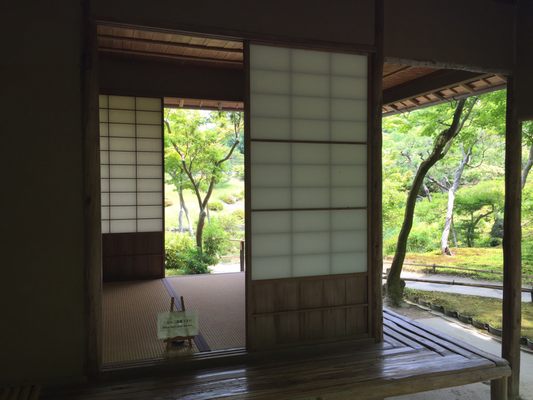
Two traditional teahouses operate within the garden grounds. One serves full meals with a view of the pond, while the other offers lighter options such as matcha and seasonal sweets. I chose the simpler option and ordered a bowl of matcha with a small dessert (¥1000), which was a pleasant and peaceful break during the walk.
The garden’s streams and small waterfalls remain active in winter, adding quiet movement and sound to the calm scenery. A thatched-roof watermill and traditional tea-house architecture reinforce the historical character of the site, evoking the rustic aesthetic of wabi-sabi.
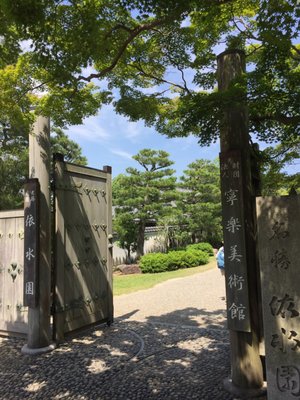
The attached Neiraku Museum displays a compact but high-quality collection of Korean, Chinese, and Japanese ceramics, including works from the Goryeo and Joseon dynasties. The collection was assembled by the same merchant family that restored the garden, creating a cohesive experience of nature and craftsmanship.