Jantar Mantar
Observatory · Ward 138 ·
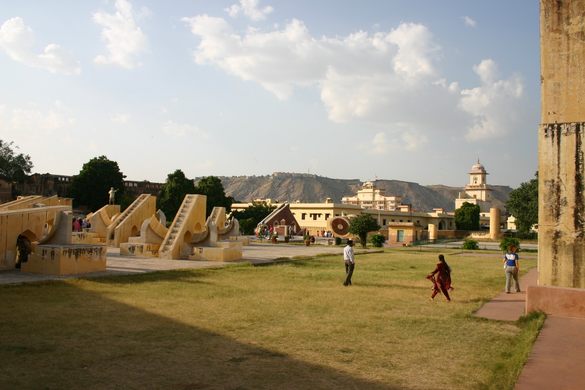
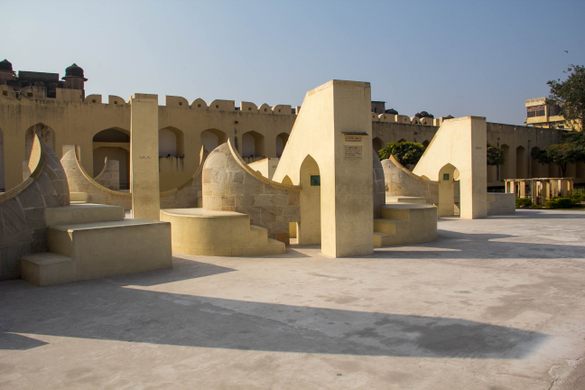
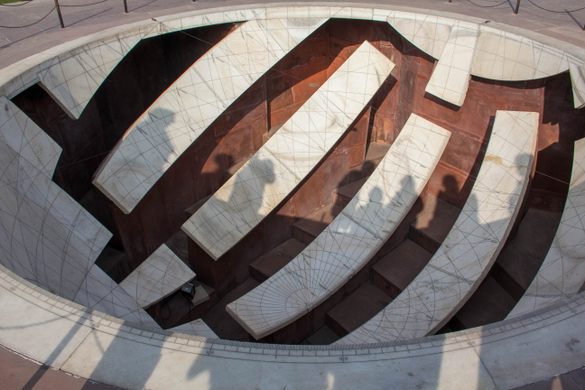
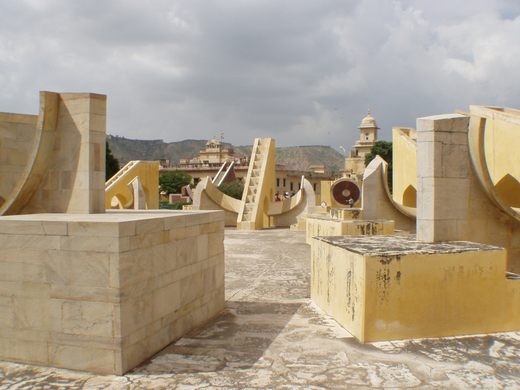
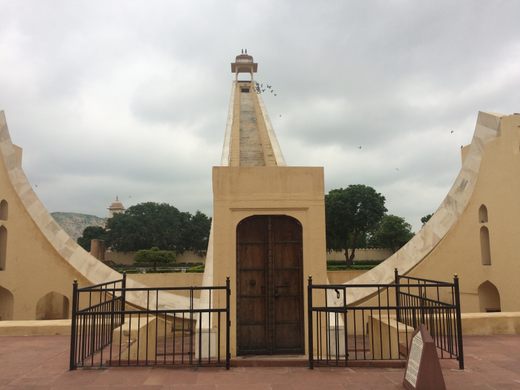
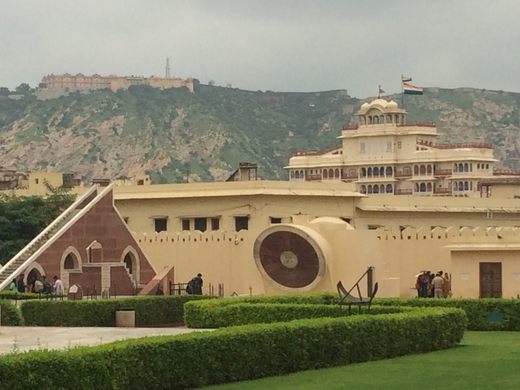
UNESCO site with 19 stone astronomical instruments, largest sundial




UNESCO site with 19 stone astronomical instruments, largest sundial
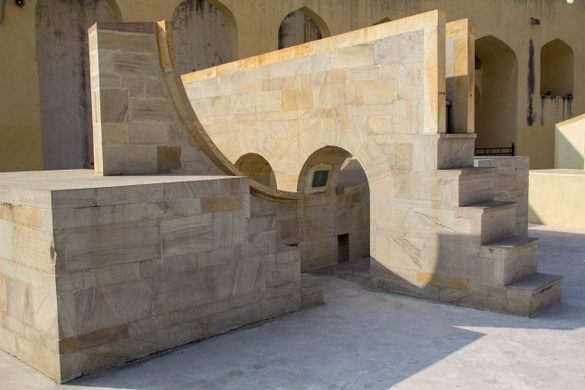
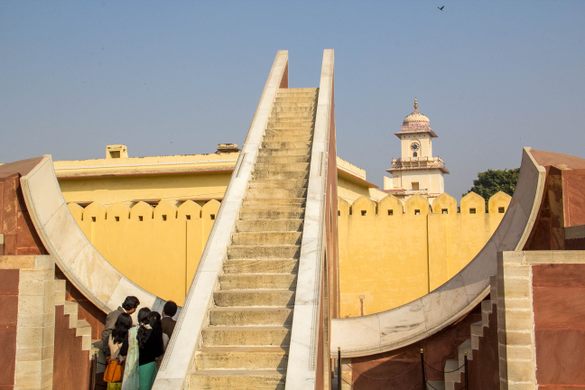
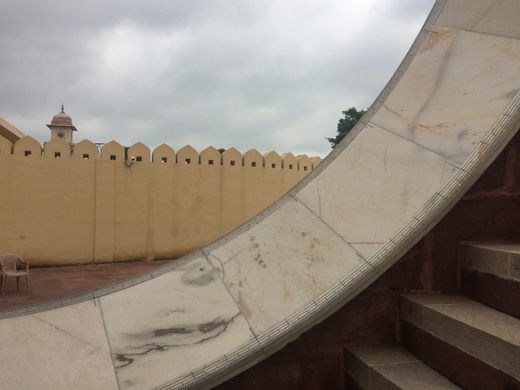
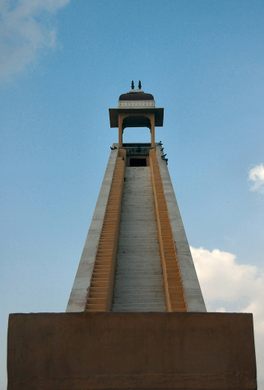
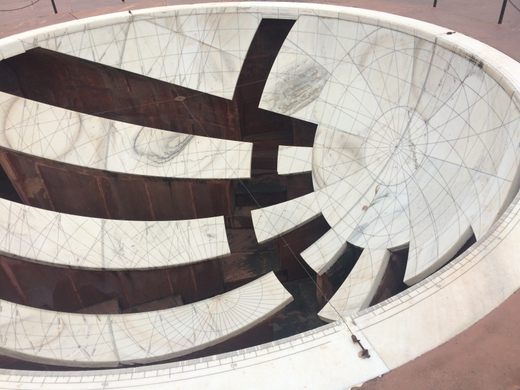
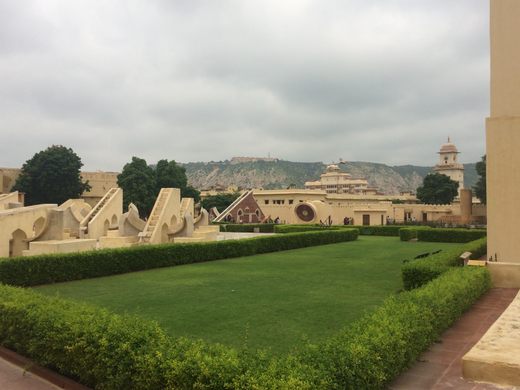
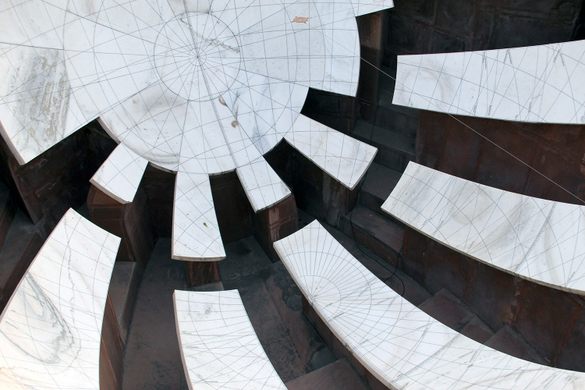
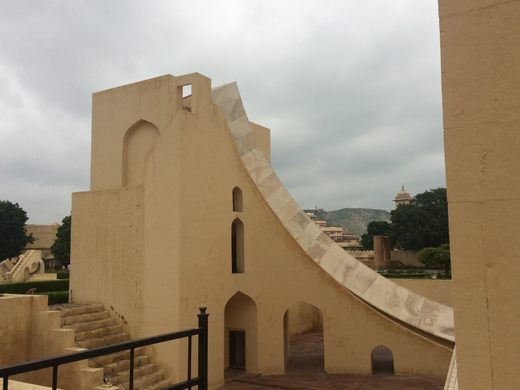
"In 1728, Sawai Jai Singh II, rajah of Jaipur, dispatched his emissaries across the globe to gather the most accurate astronomical data possible. When they returned, Jai Singh ordered the construction of the original Jantar Mantar complex in New Delhi, a monumental astronomical observatory constructed entirely out of stone and based on the astronomical tables of the French mathematician Phillipe de la Hire. In all Sawai Jai Singh built a total of five observatories, with the largest being this later construction of the Jantar Mantar in his hometown of Jaipur. Among the stone instruments Jai Singh constructed was the Samrat Yantra, a 73-foot-tall sundial which remains the largest ever built. Though indistinguishable in design from other sundials of the day, it was far and away the most accurate. Its two-second interval markings are more precise than even de la Hire’s table. The smaller but older (and pink) version of the Jantar Mantar can be seen in New Delhi." - ATLAS_OBSCURA
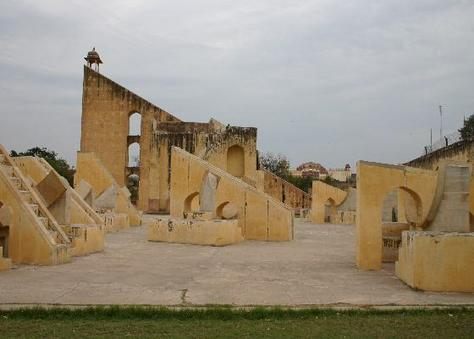
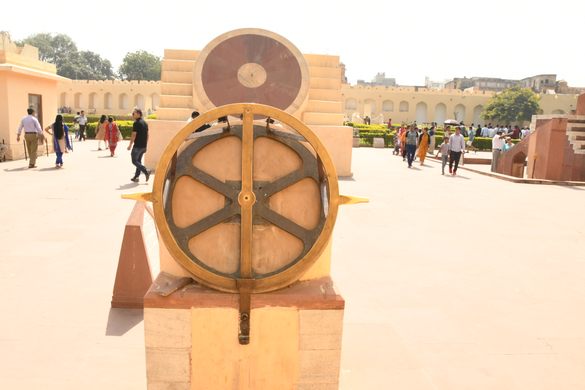
"Janta Mantar, a Jaipur park for the space-and-time-inclined, wasbuilt in the early 1700s by the Maharaja Singh.The UNESCO World Heritage site, located in the old city, contains20 large stone astronomical instrumentsdesigned to assist scientists who wereobserving the heavens with their bare eyes. The huge tools monitorcelestial happenings and are still in used today for agricultural predictions. One can walk between the impressive apparatuses and imagine the 18th-century scientists of the royal court plotting and charting impossible distances and paths."

"Janta Mantar, a Jaipur park for the space-and-time-inclined, wasbuilt in the early 1700s by the Maharaja Singh.The UNESCO World Heritage site, located in the old city, contains20 large stone astronomical instrumentsdesigned to assist scientists who wereobserving the heavens with their bare eyes. The huge tools monitorcelestial happenings and are still in used today for agricultural predictions. One can walk between the impressive apparatuses and imagine the 18th-century scientists of the royal court plotting and charting impossible distances and paths."
"I examined Jantar Mantar, the observatory built in 1724 by Maharaja Jai Singh II of Jaipur to keep track of calendars and astronomical tables; the site features various instruments, including a massive sundial used to track the movements of the sun, moon, and planets." - SilverKris
Neo
Rupinder S.
Suraj C.
Jas L.
Ujjwal K.
Lakshmi R.
Pratik T.
Mahim P.


