KI-NRT
Google
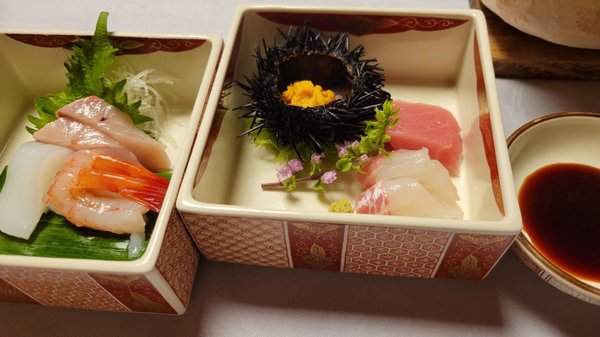
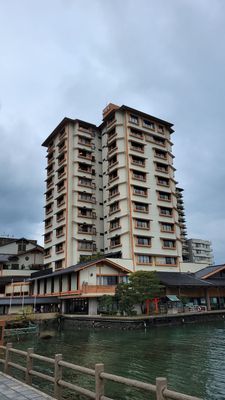
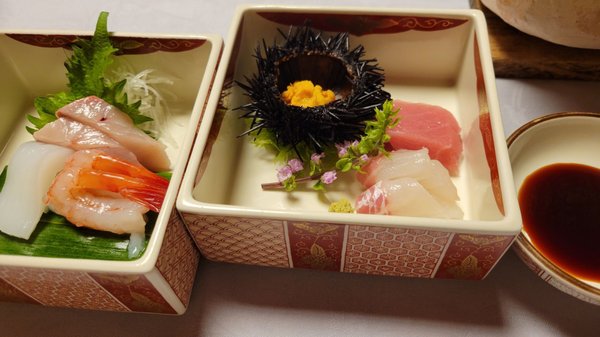
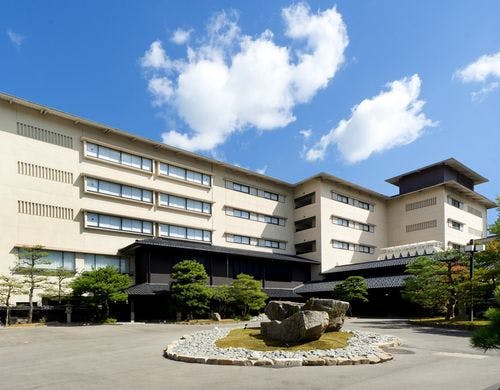
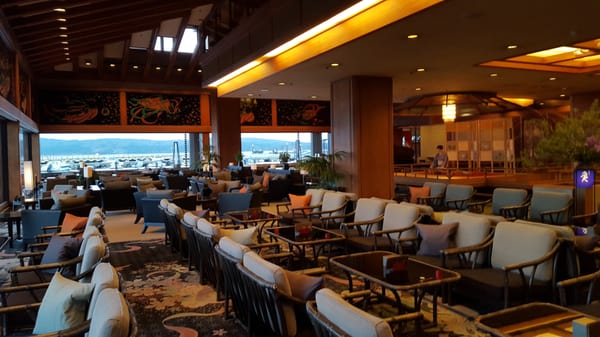
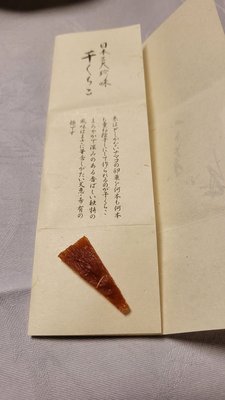
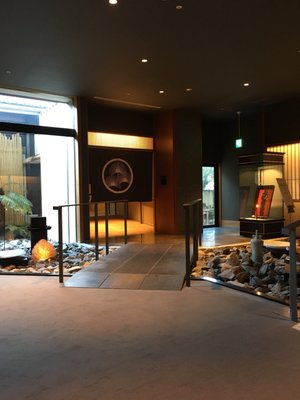
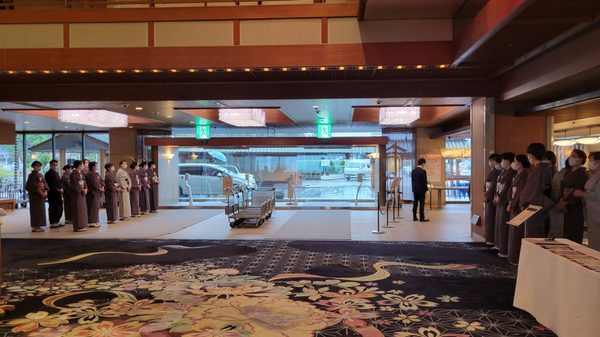
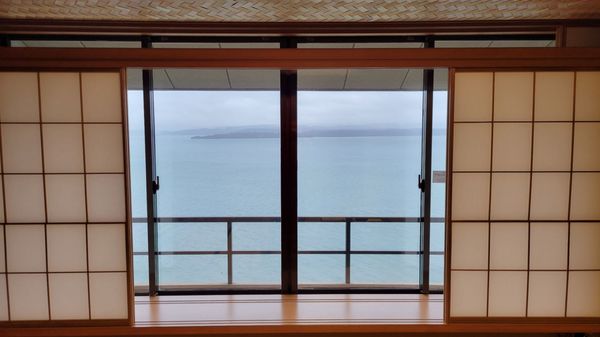
We had fond memories of our first stay at Kagaya Bettei Matsunomidori, so we decided last week to pay another visit to find out if we would be as charmed as we were last time, or if some of our recent stays at Japan's top ryokans will have bumped this ryokan down in the pecking order. I'm happy to say that our experience was excellent, although we were more acutely aware of few of the flaws that we overlooked during our initial sojourn to this ryokan.||Kagaya Bettei Matsunomidori was established in 2015 as an annex to the famous and respected Kagaya. The Kagaya group owns and operates several massive properties in the Wakura Onsen area, including Kagaya, Aenokaze and Niji to Umi, all of which are massive, big box properties with a wide array of facilities and activities that is perfect for families and large tour groups. For more discerning travelers, however, the 31-room Matsunomidori stands apart as the luxury option among Kagaya group's portfolio, along with a price to match.||We first stayed in 2016, so Matsunomidori was new, fresh and stylish, and we were enamored with the design, refined cuisine, polished service, the massive and interesting public areas and the enchanting view of the garden and ocean. Most of what we remember still hold true, although we were more acutely aware of some of the shortcomings that our younger selves probably overlooked the first time around.||First off, 31 rooms for a luxury ryokan is on the large side. Many of the very top properties have less than 20 rooms, with several of them having rooms in the single digits. This resulted in a slightly less intimate and bespoke experience than we've recently become accustomed to. On the flip side, the public areas are comparatively massive, with incredible displays and exhibits of traditional and modern art. Most notably, there is a Wajima Nuri lacquerware (輪島塗) exhibit by famed craftsman Kado Isaburo, with his works prominently displayed througout every nook and cranny of the common areas. Also, the garden is photogenic, is fronted by a historic tea house called Tokuryoan (book early for the wonderful tea ceremony experience in Tokuryoan), and offers stupendous views of the ocean as well as Noto Island. In the lounge area, Matsunomidori offers coffee, tea and snacks throughout the day, free of charge, including a delicious Japanese sweet called Manju (among other offerings.) Overall, the scale and quality of the facilities (including the gift shop) is top notch.||The quality further extends to the room as well, for the most part. We stayed in the highest category room - Special Room with Open-Air Bath, which is an expansive 140m² in size, has a living room, a Japanese tatami-matted room as well as a separate and massive bedroom, which also has its own sitting area. Aside from the tatami room, the Suite was unusual in being carpeted and in having Western-style furnishings (couch, table/chairs and beds rather than futons.) While everything was in tip top shape and it was a great place to pass the time, we did feel that the room felt a tad dated - since this is not a traditional ryokan, some of the design elements have not stood the test of time, including the tiles in the shower area. ||The biggest shortcoming, in my opinion, was the in-room Onsen experience. We were surprised to find the bath not being filled with hot springs, with no Onsen continually flowing into the tub - in order to fill the bath with Onsen, you need to push a button near the shower for the hot springs to be unleashed. There are problems with this approach: Because the temperature of the Onsen itself is not regulated and maintained at a predefined amount of warmth, as soon as the tub fills up you need to get in right away before the bath becomes to lukewarm to enjoy it. Once the temperature drops, you're best advised to drain the bath and start the process all over again. It's a real hassle, and something that we feel is unacceptable at a luxury Onsen ryokan that charges such high room rates. This issue can be circumvented by paying a visit to the communal bath, but if that's all you need, it sort of defeats the purpose of staying in a high-end ryokan. Keep in mind also that not all rooms have an Onsen bath in the room. On the plus side, everything in the minibar is available free of charge, and the bathroom amenities are of high quality (although not unique.) Travel sized containers of lotion, shampoo, conditioner, body soap, moisturizer and other necessities are supplied by Omnisens (a Japanese brand), which seems to be what is offered by almost a third of the luxury ryokans in the country.||We enjoyed our dining experience at Matsunomidori. The Noto Peninsula, which is where Wakura Onsen is located, is renowned for nature's bounty from both the sea and land, and the ryokan does a good job that make the most of the local ingredients (especially the seafood.) The sashimi, including the Amaebi Sweet Shrimp, was simply sublime, as was the boiled Snow Crab (the local variety in the area is called "Kano-gani.") While not every single dish was exceptional, overall we were satisfied with the high-quality cuisine on offer at Matsunomidori. The same also applies to the Japanese breakfast - very good overall, although the food portions were on the small side.||Although we enjoyed our second stay at Matsunomidori and are glad we returned, it didn't quite live up to the fond memories and sky-high expectations that resulted from our amazing first visit many years ago. There is no shame in that, and it's still definitely a bona-fide luxury ryokan. But the inconvenient in-room onsen bathing process brings this property down a notch relative to some of the other top luxury ryokans that we've recent visited in Japan.