Kluge-Ruhe Aboriginal Art Collection of the University of Virginia
Art museum · Pantops ·

Kluge-Ruhe Aboriginal Art Collection of the University of Virginia

Art museum · Pantops ·

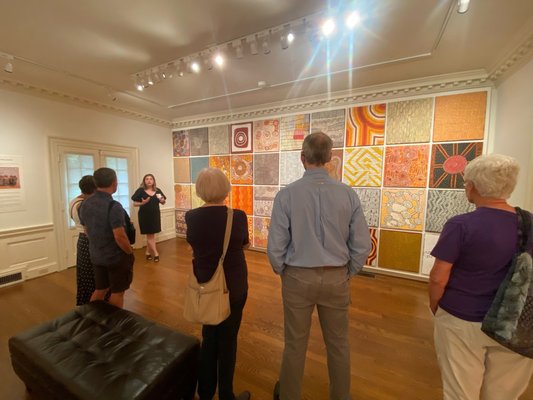
Museum of Australian Aboriginal art, free entry, tours & programs

Kluge-Ruhe Aboriginal Art Collection of the University of Virginia by null

Information

400 Worrell Dr, Charlottesville, VA 22911 Get directions

Information

Static Map

400 Worrell Dr, Charlottesville, VA 22911 Get directions

+1 434 243 8500
kluge-ruhe.org
@klugeruhe

Features

wifi

Last updated

Oct 26, 2025

Powered By

You might also like

Terms of Use • Privacy Policy • Cookie Policy
 © 2025 Postcard Technologies, Inc.
@travelleisure
27,057 Postcards · 5,402 Cities

These Are the Best Train Routes in the South

"A focused Charlottesville-based museum dedicated to Indigenous Australian art, offering one of the few concentrated public collections of Aboriginal works in the United States and providing context for cross-cultural study while on a campus-adjacent visit." - Caroline Eubanks Caroline Eubanks Caroline Eubanks is a Lowell Thomas Award-winning travel writer and the author of “This Is My South: The Essential Travel Guide to the Southern States.” Her work has been published by Condé Nast Traveler, Garden & Gun, Architectural Digest, and more. Travel + Leisure Editorial Guidelines

https://www.travelandleisure.com/best-train-routes-in-the-south-11726652
Kluge-Ruhe Aboriginal Art Collection of the University of Virginia

Lauren J.

Google
I feel a museum of Australian Aboriginal art is a really random thing to have in Charlottesville, but I love that it's here! Having no knowledge of the subject beyond the word "Maori", this museum is a wonderful educational experience of the people, their culture, their environment, and more. The staff are also eager to talk about the content and history of the museum. It's a small space, but so much to learn!

Sue B.

Google
In addition to sensational art that stands on its own merit, the museum’s interpretations yield a better understanding of the diversity among language groups of Australia’s indigenous people, impact of colonization, and state of being indigenous in Australian culture today. The intimate setting, carefully curated and interpreted collection, and knowledgeable and accommodating staff made for one of the finest museum experiences in my memory.

Frank S.

Google
Remarkable place to have a museum - well organized, guide was excellent. Exhibits of current paintings was impressive. We missed the original paintings from Kluge collection. The museum advertising is actually misleading - the original collection is not there. The museum should update its Google/Wikipedia and other advertising.

Frank C.

Google
Free to the public , this wonderful museum is probably less noticed than it should be as I just happened to approach the grounds while sight seeing and asked two ladies pleasantly enjoying there afternoon talking in the shade of the grounds about the museum. They advised it was free to public and I should go inside. Inside the door a docent immediately rose to attention and began filling me with detailed information regarding the museums history and offerings. He directed me to comfortably walk thru at my own pace and enjoy the surroundings. The museum was both educational as well as a delightful display of the aboriginal art. The sponsors own the largest collection of aboriginal art.

Nicole F.

Google
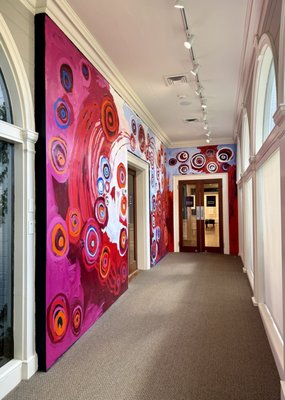
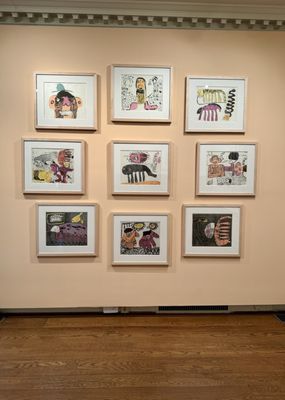
We came in off the freeway, looking for a brief diversion before our one evening in Charlottesville, and were blown away by the explosion of color, texture and emotion on display. What a wonderful surprise. Knowing nothing about Aboriginal art, we learned so much and look forward to learning more. Go now while the superb 50 Years of Papunya Tula Artists exhibit is on display. Admission is free, and the museum building and setting are stunning as well. A small but lovely gift shop tempts with reasonably-priced, unique items.

Bryan V.

Google
Wonderful museum, regrettably due to COVID you need a reservation to visit the artwork located inside the museum. However there is currently and outdoor sculpture trail which is fantastic.

Israt Jahan D.

Google
Great museum, though a little small. Really enjoyed the paintings and artworks.

John M.

Google
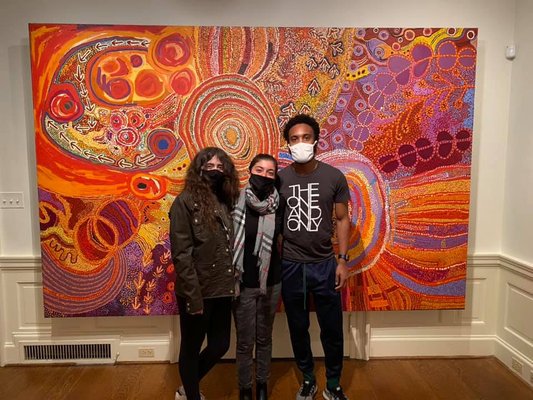
Excellent small museum. The large painting by Emily Kame Kngwarreye is breathtaking.

Kevin K.

Yelp
Primitive art in a preachy setting is how I'd describe this museum. Some art is very charming. The converted estate and grounds are small but very lovely and tasteful. I always find it off putting when the virtue signaling is so far off the charts. "We are on monocan land." Ok so give your museum to the local Native American Monocan tribe member and you're done. There is a library that would be of great use to a scholar in this area. Many books are race obsessed and there are books on how to "decolonize art museums." This toxic movement pervades the museum. Sadly there are winners and losers in history. In the old Native American battles, one might keep the victims' children or a scalp. In Victorian England they kept the art and exploited the weaker natives. It's a tough situation all around but ultimately a museum is meaningless if people don't enjoy it. Make this a celebration of the sights and sounds of Australian Aboriginal art and leave it at that. The library is a great place for all the political aspects of activism and the rest. Aboriginal art is certainly wonderful and deserves to be displayed clearly without distraction.

MJ M.

Yelp
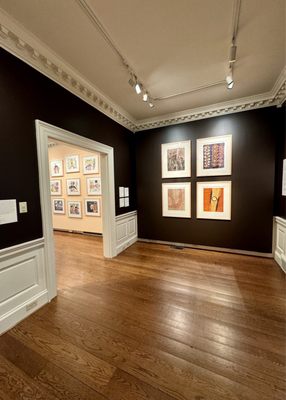
Lovely guided tour of Aboriginal art. Enjoyed learning the history of the site that houses this special art collection. There is a craft area for kids as well as a library of books to suit all ages. Home of the largest Aborinal collection outside of Australia. The view from the museum is stunning. Overall a must see in Charlottesville.
google avatar

John B.

Yelp
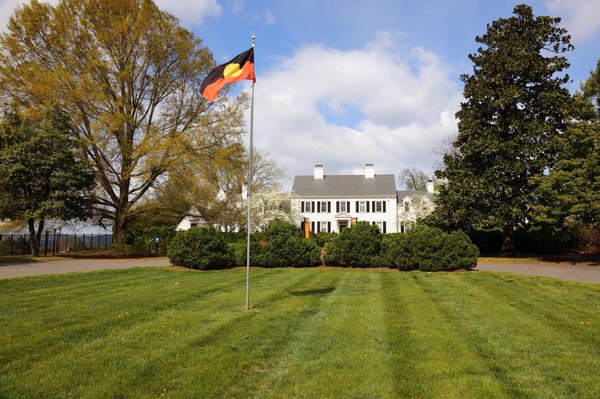
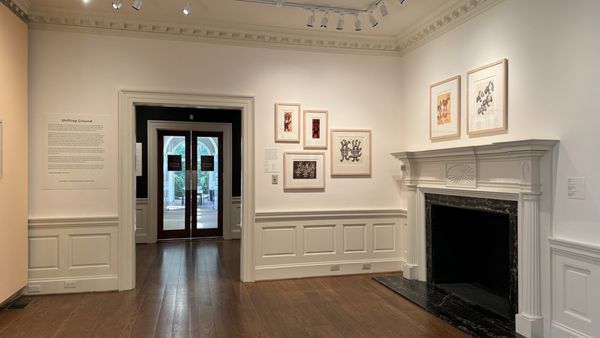
This is a little building nestled on a pretty rolling foothill that houses a couple of rooms worth of artwork by indigenous Australians. I have my ties to UVA and to Australia. However, I I can't say that those two things have much overlap in my mind. But apparently, some philanthropists decided this was the place to make sure that some Aboriginal art was properly stored and displayed. I was told there is a significant exchange program where artists would come from Australia to visit (obviously COVID has caused some disruption to that). At present, one has to go online and reserve a free time slot which is for half an hour. I actually spent a tad longer than that, but it isn't of the kind of size where you'd spend all day. There are a couple of rooms of traditional and more contemporary art with ample signage giving context, and you can get some information from-in my experience-the single person working there. There's also a gift shop with a pretty decent range of items. Speaking from experience, I find that art is one of the best ways to engage with the indigenous people of Australia. They don't have much in the way of written records of their history. And the art really illustrates how divergent their culture is; even if you hang around European or Asian art galleries a lot, most of these pieces will look bizarre. That's why it's helpful that there's some explanation given; you can start to see what the artist was intending. So even though this collection is not of much scope compared to a major art gallery, this is a place that will make you think, and with the current COVID travel ban, this is all the Australia you can get.
google avatar

Ziv H.

Yelp
This is absolutely worth a visit. If you are familiar with the diverse range of aboriginal art, you're still assured a surprise at the extent of work visible in this one place, outside of Australia. If you are not, prepare to be amazed at extraordinary work-- i envy you the pleasure of discovering it 'fresh' with new eyes. Diverse work, from the 'pointillist' type style, to color fields painted on bark etc. I saw this first in Sydney more than a decade ago, and, later, an exhibit in NYC. That latter show included pieces from here, perhaps the largest collection in America. And then an unexpected plus on a quiet afternoon: the Greeter at the door provides us a 10 minute generous and detailed story of the collection, its contents and history. I'll be back for that weekday when he said one gets to visit the archived portions of the collection in the basement. Somewhere hidden are the rumored other 1800 pieces...
google avatar

Lumiere S.

Yelp
I attended a tour of Kluge-Ruhe on a week day morning and enjoyed listening to the very knowledgeable tour guide provide insight to the history behind the works, the artists, and the context of the pieces. While the gallery space is petite due to the nature of the museum, the collection housed within are not to be missed! I have very little background in Aboriginal art but quite the penchant for history and felt that Kluge-Ruhe provided plenty of historical context to connect the visuals to it's origins. The works on display ranged from painting, photographs, and sculptural elements. Even if this isn't your forte, the stories behind the work are definitely worth visiting! Being that this is the only museum in the U.S. dedicated to the exhibition and study of Australian Aboriginal art, it boasts a lively collection of incredible pieces from a wide range of Aboriginal artists. I also found that Kluge-Ruhe offers further research resources in their Study Gallery which is great if you want to dig further into this content. They also plan additional interactive events for attendees during the year and some are family friendly! Lastly, If you arrive earlier in the day you may be able to snag a parking space directly in the round about in front of the museum.
google avatar

Jin T.

Yelp
I was expecting being greeted by museum guides looking like surfers with necklaces made from bones and teeth and a mysterious didgeridoo music playing in the background... after all, this is native art from Down Under. It does not have to look like an outback restaurant, just have to have that relaxing feel (not like I would go to an outback restaurant), but no surprises here. When I think of aboriginal art, I think of being playful and colorful, like "I was done hunting a wallaby! I've got time on my hands, let's make some art out of the tree bark kind of day!" I'm a bit disappointed these walls does not do any of these art justice. It's a small museum but with the best aboriginal art I have ever seen. However, just like any art museums in the area, it's lacking soul.