Alina P.
Google
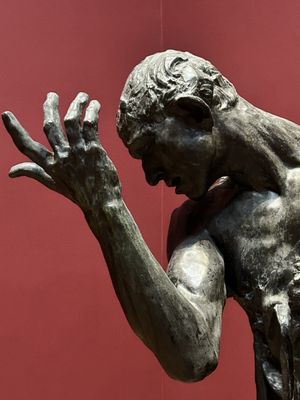
What stands out first is the dialogue between eras. Baroque reliefs full of movement, flesh, and drama coexist with modern and contemporary works that favor abstraction, reduction, and silence. The museum does not separate these worlds strictly. Instead, it lets them look at each other across time, creating moments of tension and reflection for the visitor.
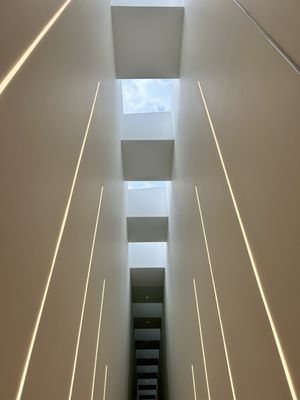
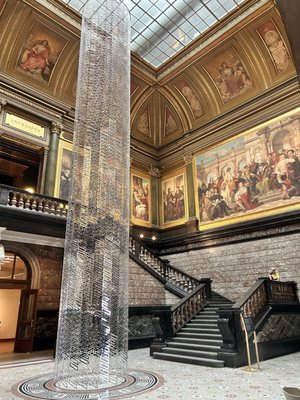
Several images emphasize the architecture itself. The long, white staircases feel almost ceremonial, guiding the body downward while slowing the mind. These spaces are not neutral corridors but part of the aesthetic experience, inviting contemplation before the next encounter with art.
The still life–like installation with white objects, a skull, a book, and glassware evokes vanitas traditions while translating them into a contemporary, conceptual language. Nearby, expressive paintings with intense reds and fragmented forms reintroduce emotional urgency and physicality.
Portraits and figurative scenes add intimacy. The figures appear absorbed in thought, fatigue, or quiet isolation, mirroring the contemplative mood of the museum halls themselves.
Altogether, the images suggest a museum that values balance rather than spectacle..