Jeff S.
Yelp
This was the first stop of our 13 National Parks tour from Chicago to Glacier National and back to end June and start July. We concentrated on North Dakota and Montana National Parks properties, getting to them all before we finished our adventures.
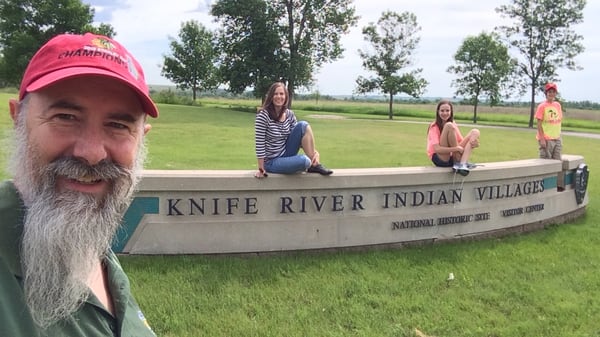
I'll admit it, we only came to Knife River Indian Villages so we could say we had been here, done that, and so the kids could earn a Junior Ranger Badge, which they enjoy doing. Our expectations were low, and we didn't do any advance reading on this site, which is not our typical approach when visiting these historic park sites. We were completely thrilled with our stop. What a wonderful surprise just north of Bismarck. Very worth the one hour detour.
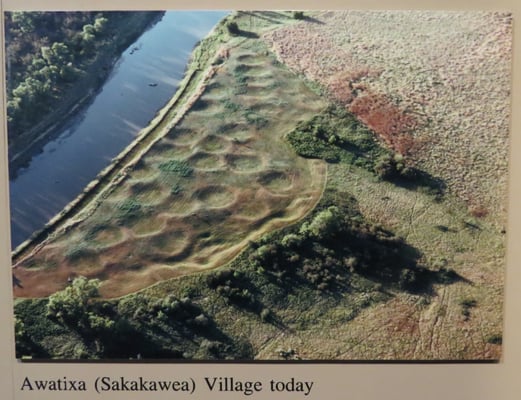
This, THIS is the site of the village where Lewis and Clark found and hired French Trader Charbonneau and his wife Sakakawea (alternatively, and also considered correctly spelled as Sacagewea). Thanks to Ranger Carlson, we learned the correct way to pronounce her name: Sa-COG-e-way-a. I am a big fan of the story of the Corps of Discovery, and was besides myself that our first stop on this 11 day journey was directly tied to one of my favorite American History adventures. We would bump along the Lewis and Clark Trail all the way to Glacier National and back. This unexpected Sacagewea village stop was a great start to our vacation travels.
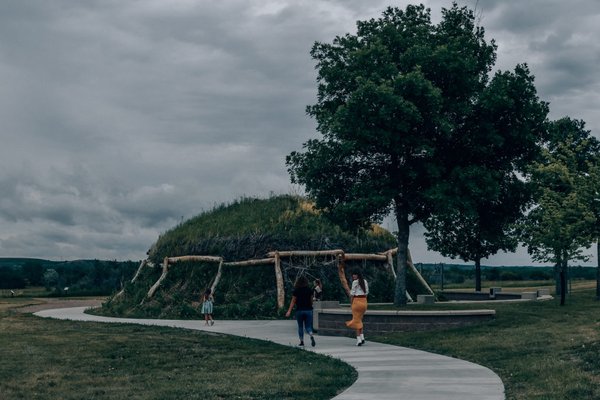
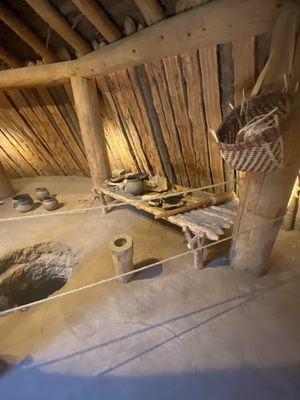
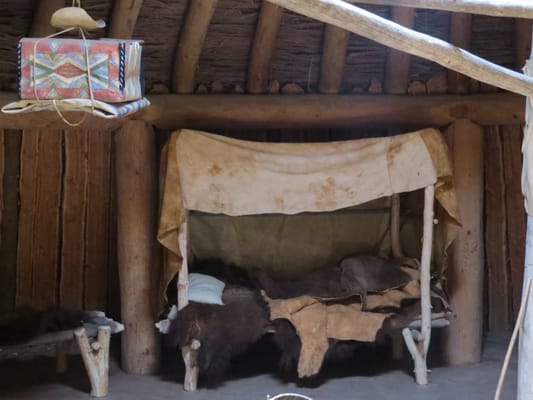
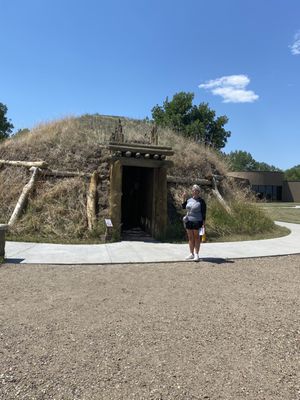
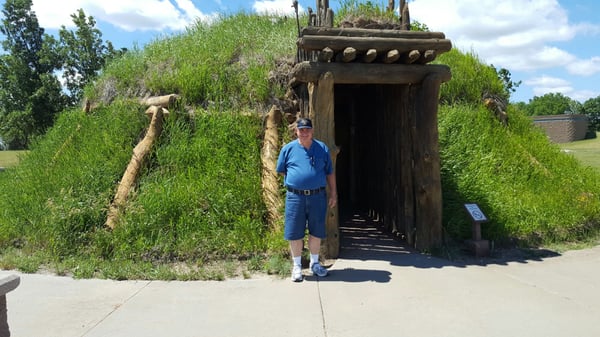
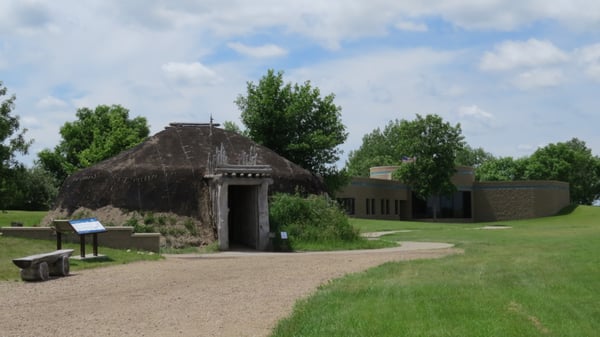
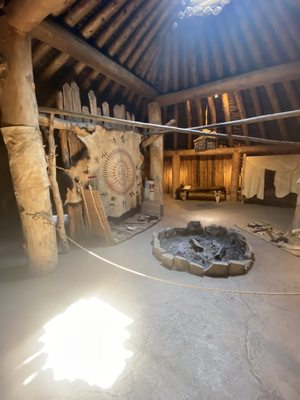
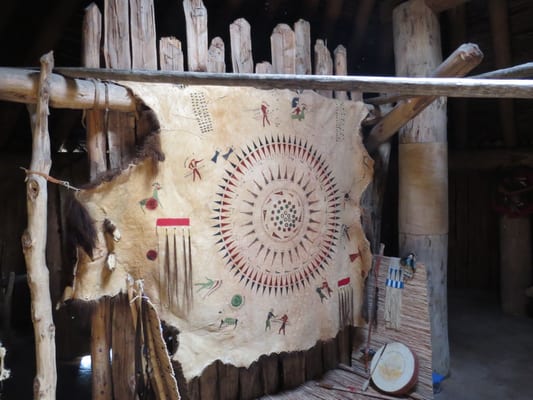
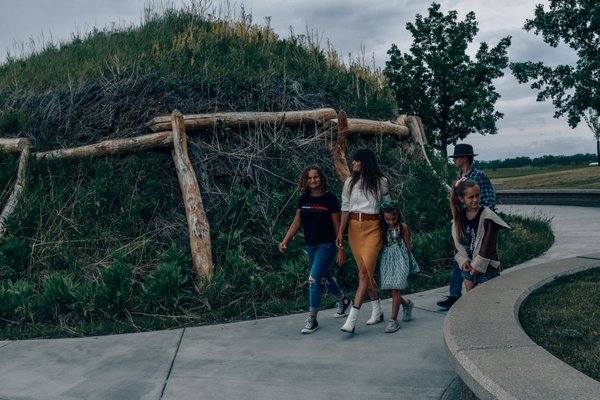
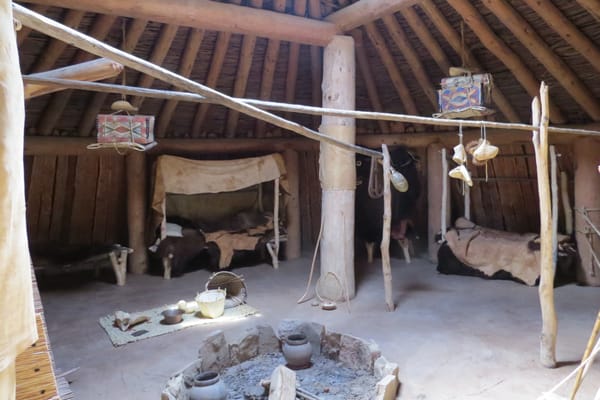
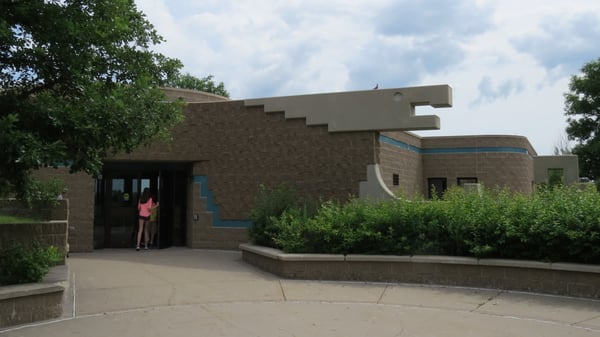
Knife River Indian Villages National Historic Site specifically preserves the historic sites of three former village settlements of the Hidatsa, Mandan and Arikara peoples. They inhabited the semi permanent farming / hunting villages in this area for hundreds and hundreds of years before the Corps of Discovery showed up here in 1805. There are two historic village sites within easy walking distance of the Visitors Center, and a third is just up the street with a second parking area. Outside the informative Visitors Center, there is an exquisite replica of an earthen lodge (currently, without the earthen covering as it undergoes repairs) that is well appointed and extremely interesting, especially with a ranger guided tour.
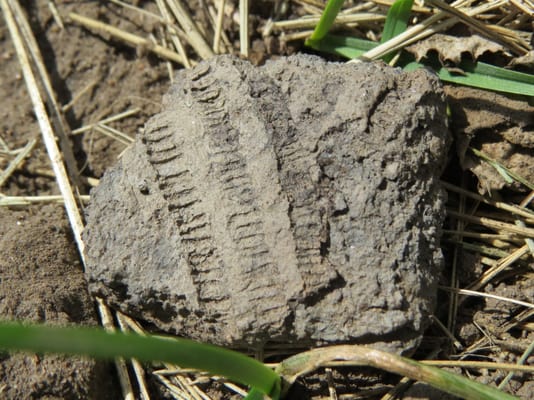
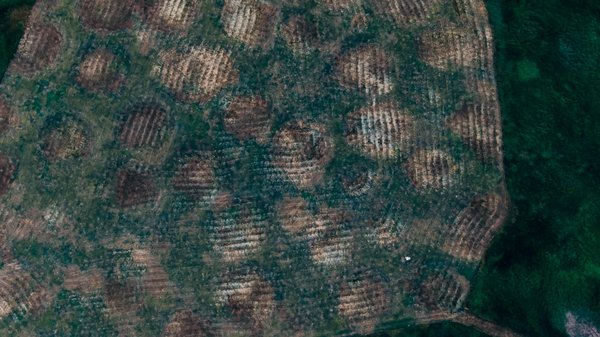
As it was a slow late Thursday June morning when we arrived, we had the distinct pleasure of a personal site tour with Ranger Carlson as our guide. He walked us through the lodge, took us down to the two village sites, showed us some artifacts near one site that Pocket Gophers unfortunately bring to the surface as they make their underground dens, and explained the difference in the sites, the location of other sites, as well as explained the perils of erosion from the river which is seriously threatening these historic Indian Village sites. It was an enthusiastic personal tour for our family, and you just don't get that kind of personalized ranger attention at the big park locations.
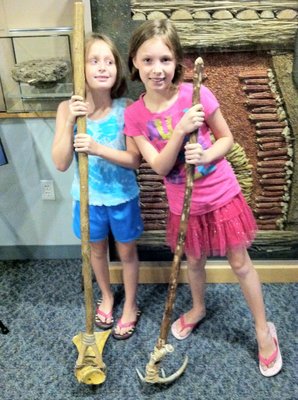
The introduction film in the visitor center is excellent, there are some interesting exhibits in the Visitors Center, and the staff was all very friendly and helpful. Yeah, it is an hour, or 63 miles from Bismarck, but if you are passing through, DON'T MISS THIS side trip. It will inform you about the beginning of one of the most iconic American adventures, the native American woman who loomed large in the next two years of the Corps of Discovery's travel, and the villages and peoples she came from. AND, and, the rangers will make sure you can spell and say Sacagewea's name correctly before you leave, TRUST ME!
This was a great start to our summer trip west.