Anna K.
Google
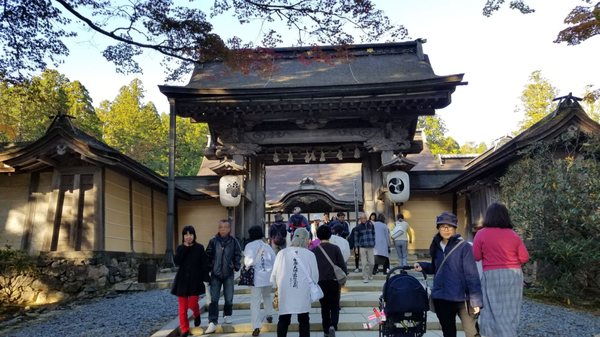
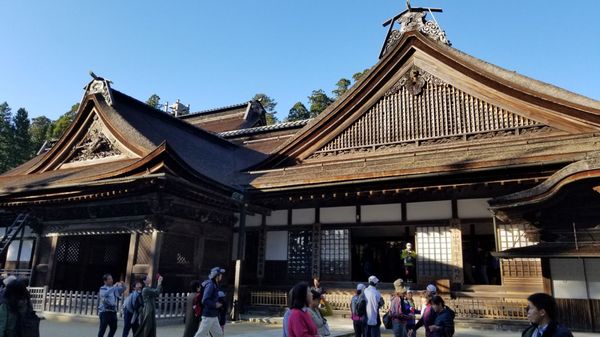
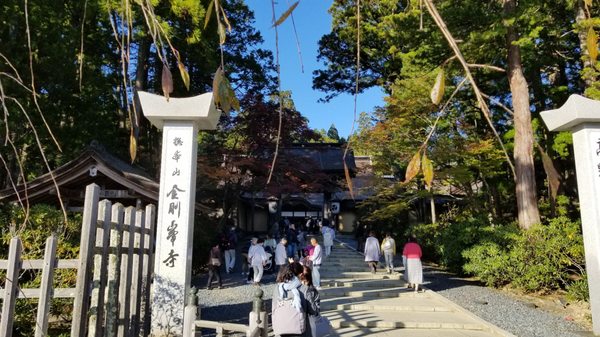
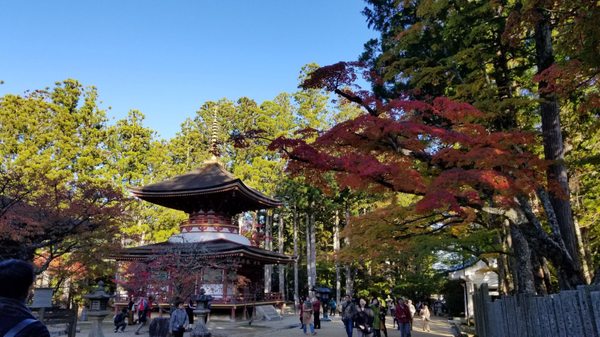
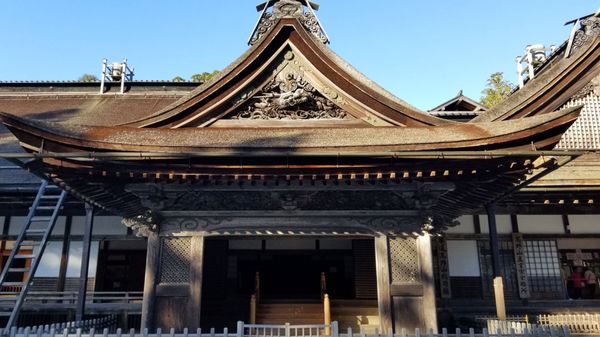
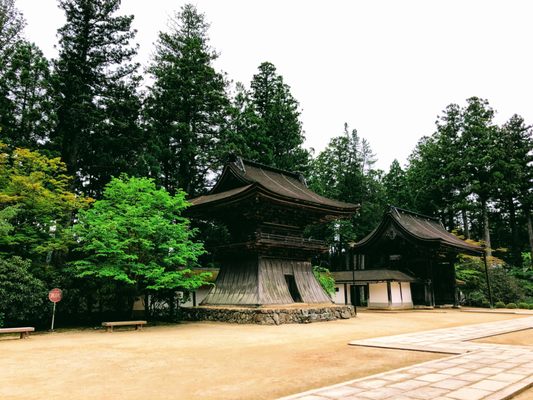
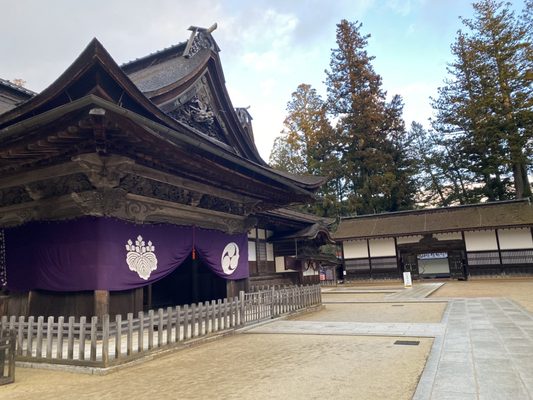
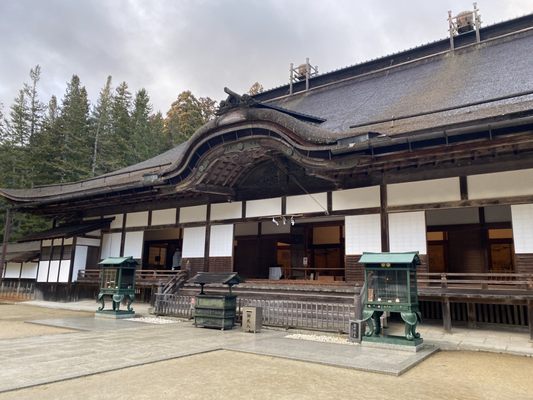
Kongobu-ji is the head temple of the Shingon school of Buddhism on Mount Kōya and one of the most important religious complexes in Japan. Established in 1593 by Toyotomi Hideyoshi in memory of his mother, it later became the central administrative and spiritual seat of Shingon Buddhism, founded by Kūkai (Kōbō Daishi) in the early 9th century.
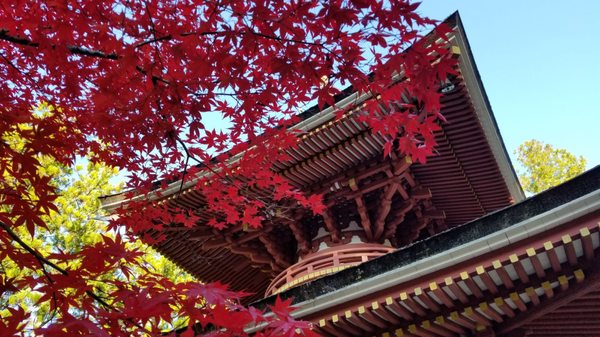
The present buildings reflect refined Momoyama and early Edo aesthetics, with vast tatami halls, subdued light, and a strong emphasis on spatial rhythm rather than ornament. Particularly striking are the painted fusuma sliding doors, whose motifs—cranes, plum blossoms, and seasonal landscapes—were intended not merely as decoration but as visual meditations on impermanence, harmony, and restraint.
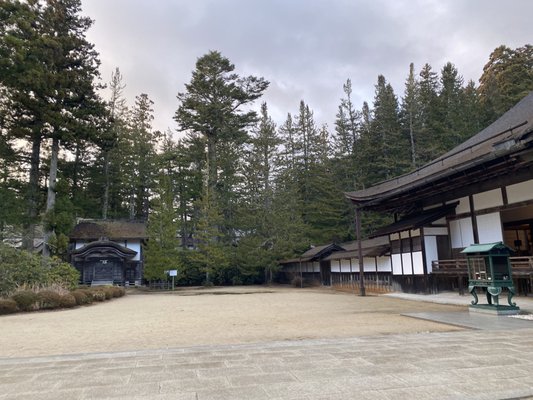
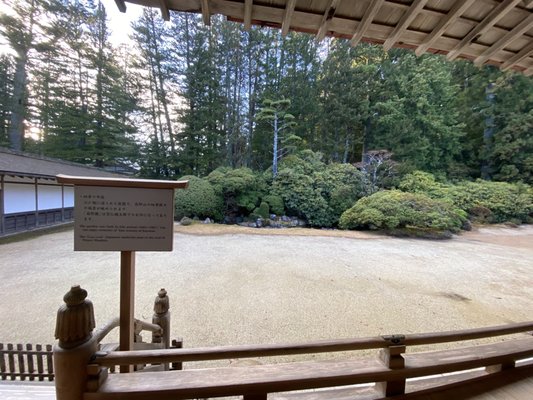
Adjacent to the main halls lies Banryutei Garden, the largest rock garden in Japan.
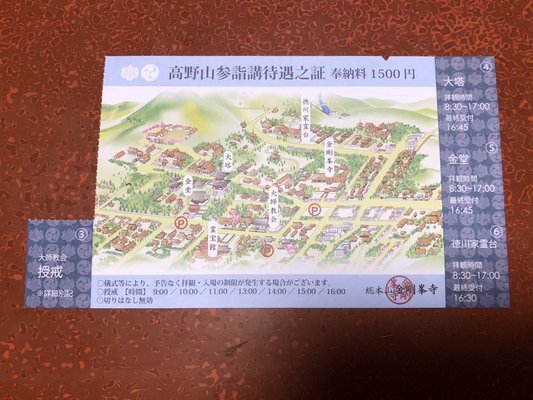
Kongōbu-ji is open daily, usually from morning until late afternoon (opening hours may vary slightly by season). Admission is paid (1000 yen, Dec 2025); a common ticket is available (2500 yen, Dec 2025), covering five key sites on Mount Kōya (including Kongōbu-ji, the Kondō and the Daitō pagoda), and is a convenient option for visitors planning a broader visit.
Photography is strictly prohibited inside the temple halls, though it is allowed outdoors and in the garden areas. Shoes must be removed before entering the interior spaces. A visit typically takes 60–90 minutes, allowing time for quiet contemplation of the halls and the Banryūtei rock garden.