Anna K.
Google
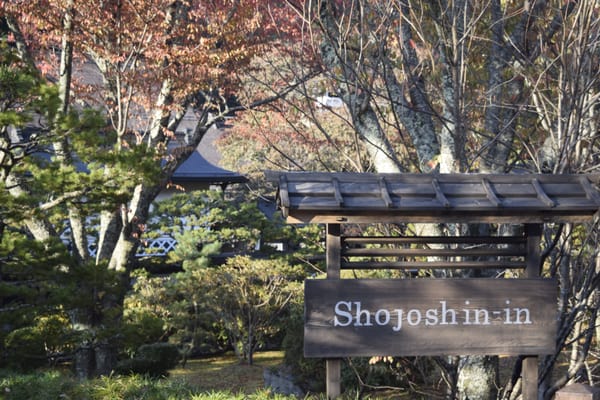
Shojoshin-in is one of the oldest temples on Mount Kōya, with origins traditionally traced back to the early period of Kōyasan’s development, shortly after its founding by Kūkai (Kōbō Daishi) in the 9th century.
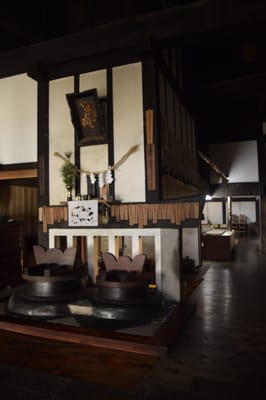
What distinguishes Shojoshin-in from many other temples on Kōyasan is its strong focus on esoteric ritual, especially the goma fire ceremony (goma kuyo), which remains a central and regularly performed practice here. Historically, temples like Shojoshin-in played an important role in performing goma rites for personal vows, protection, healing, and memorial services, both for monks and lay followers.
The temple later gained recognition as a Special Head Temple (tokubetsu honzan), a status granted only to selected institutions that preserve important ritual lineages and doctrinal traditions within Shingon Buddhism.
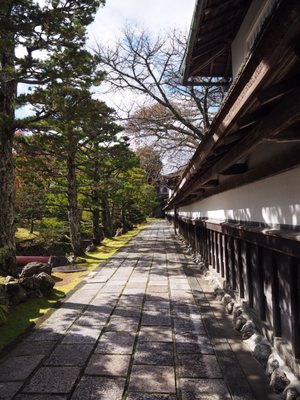
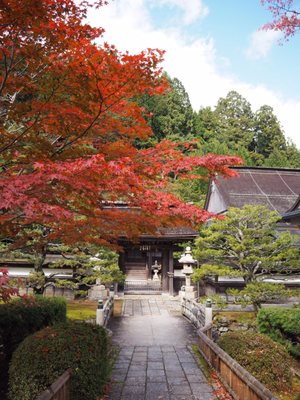
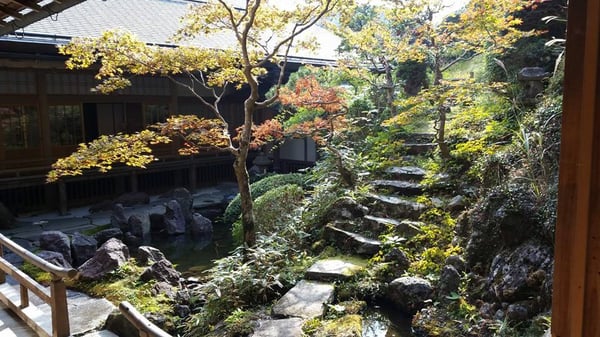
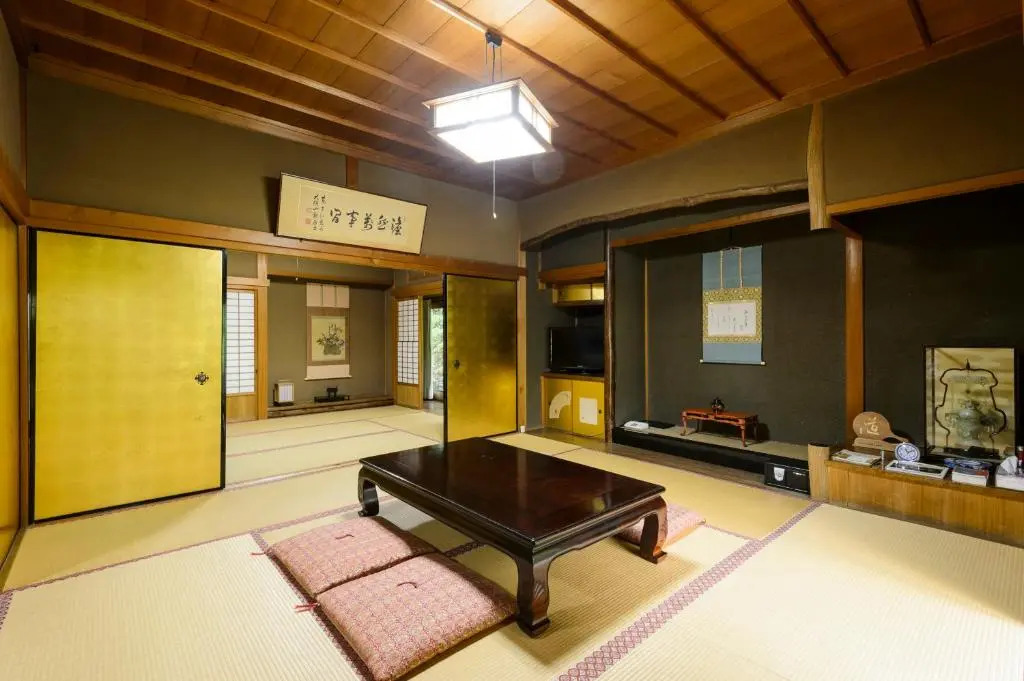
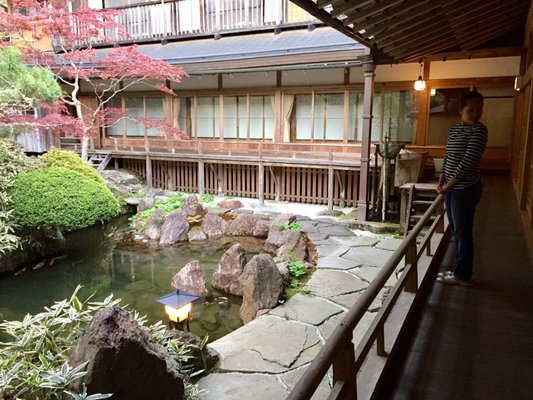
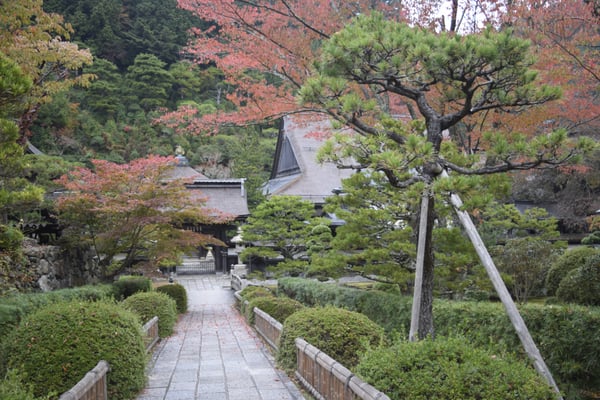
Architecturally, the compound reflects functional monastic design rather than monumental display. The main hall and subsidiary buildings are restrained, emphasizing symmetry, clean lines, and ritual clarity. Interiors are intentionally sober, reinforcing the contemplative character of the temple and the seriousness of its ceremonies.
The goma fire ritual you attended is rooted in esoteric Shingon cosmology, where fire symbolizes the wisdom of the Buddha that burns away ignorance and attachments. Wooden prayer tablets (gomagi) inscribed with wishes are offered to the fire, transforming personal intentions into ritual action. Shojoshin-in is particularly known for maintaining a clear, orthodox goma style, without theatrical embellishment.