ASRAF YEASIN M.
Google
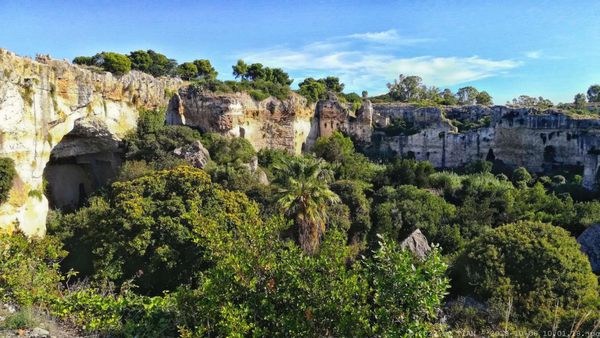
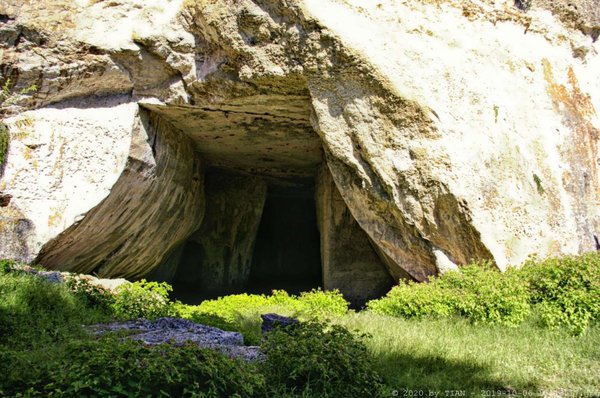
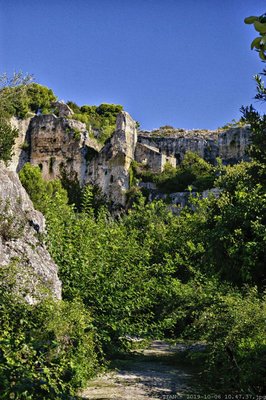
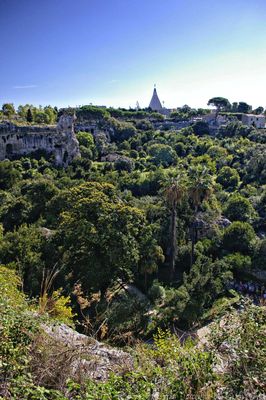
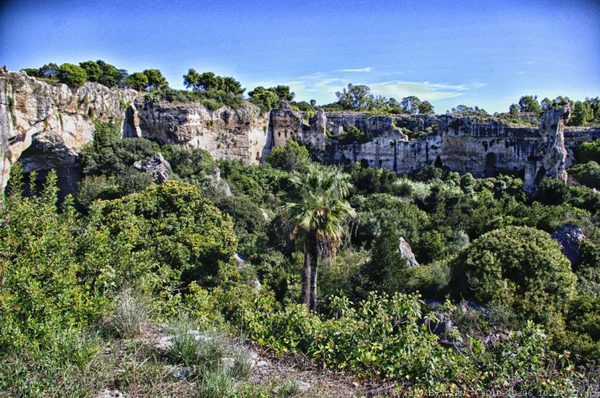
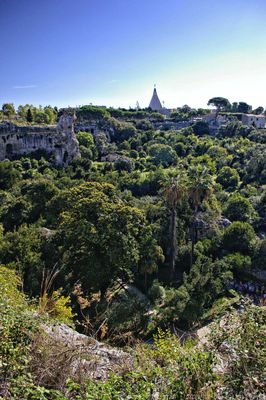
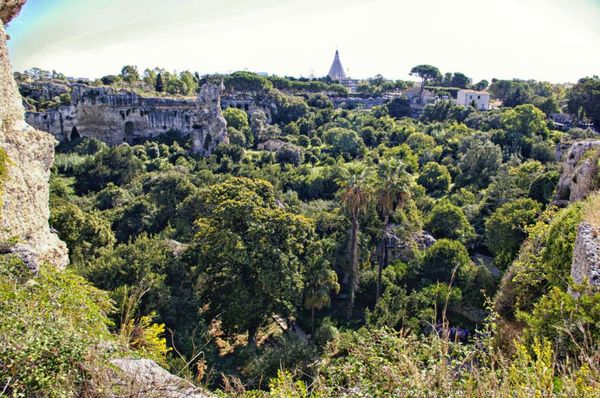
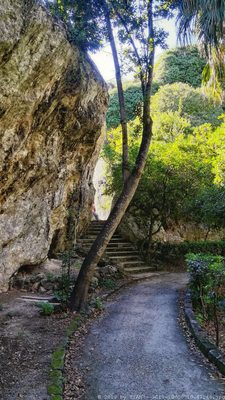
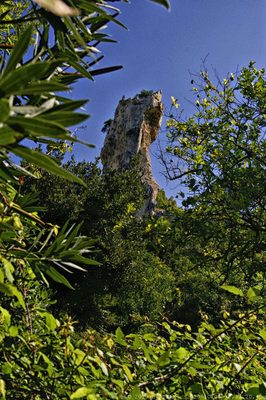
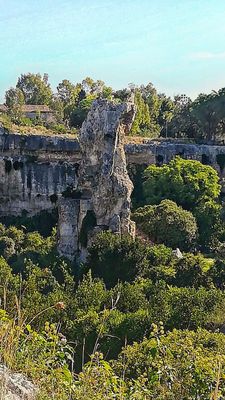
Originally, it was a limestone quarry during ancient times, serving as the source of the city's construction material. Over the centuries, it evolved into a site with unique historical and natural significance.
During the Roman period, it was repurposed as a place for prisoners, and later, during the Byzantine era, it transformed into a burial ground. In the Middle Ages, it became known as "Latomia del Paradiso," and in the Renaissance, it gained a more ornamental aspect.
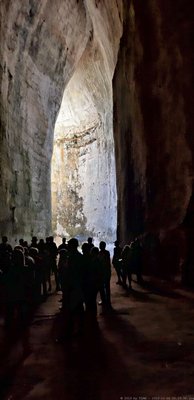
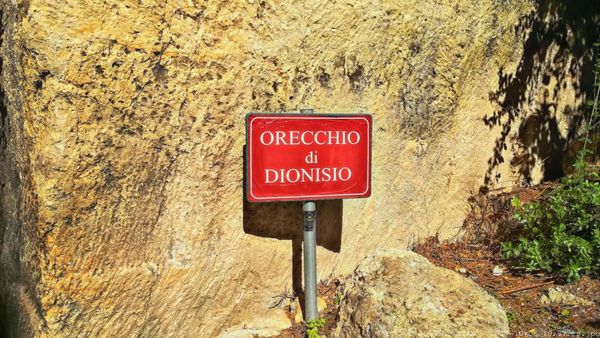
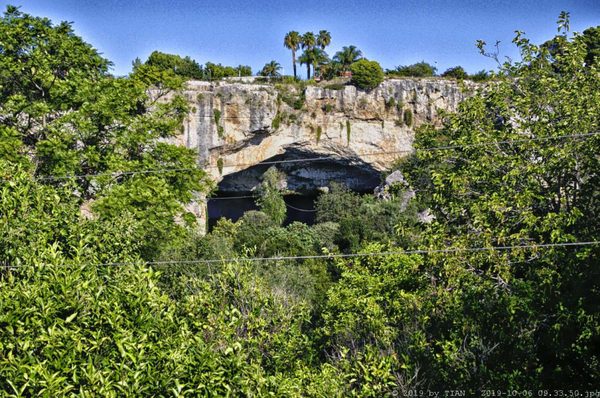
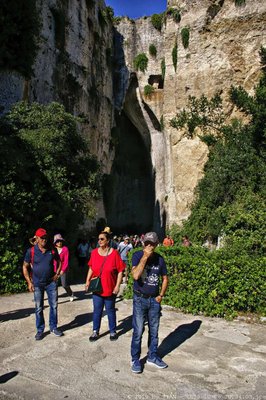
One of the most intriguing aspects of Latomia del Paradiso is the Ear of Dionysius, a cave with exceptional acoustic properties. According to legend, the tyrant Dionysius used it as a prison and eavesdropped on the conversations of his captives.