Jacob K
Google
A Modern Smithfield Treasure and True Dublin Cinephile Home
I didn’t know exactly what to expect, but what I found at Light House Cinema was one of the more delightful cultural experiences Dublin has to offer.
This cinema opened in 2008 in Smithfield Square as a purpose-built, four-screen arthouse venue with a total capacity of around 614 seats across rooms ranging from intimate to mid-size. It’s not a nostalgia palace or a multiplex; it’s a thoughtfully architected modern space that positions film as art and community rather than just product. 
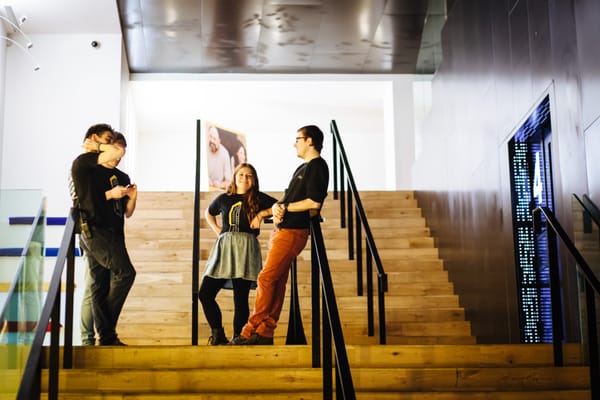
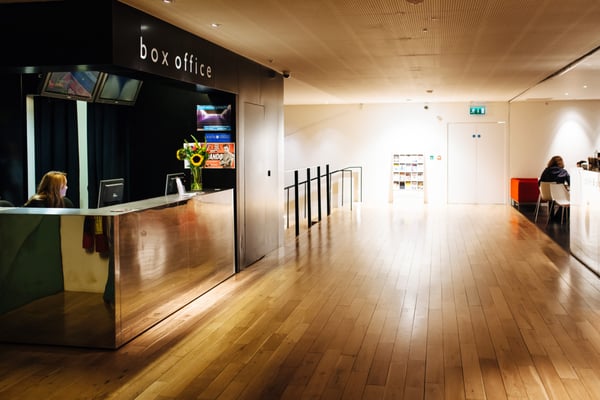
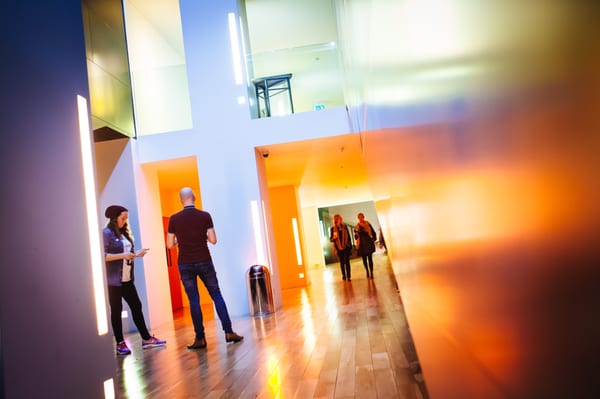
Walking in reminded me instantly of TIFF’s Bell Lightbox in Toronto — but smaller, warmer, and more intimate. The stairs descending into the foyer evoke a bit of a university building — a campus vibe — which perfectly frames the cinema’s cultural energy. It doesn’t feel theatrical; it feels intellectual and welcoming. From the polished floors and minimalist design to the natural flow of the space, everything feels deliberate and functional. 
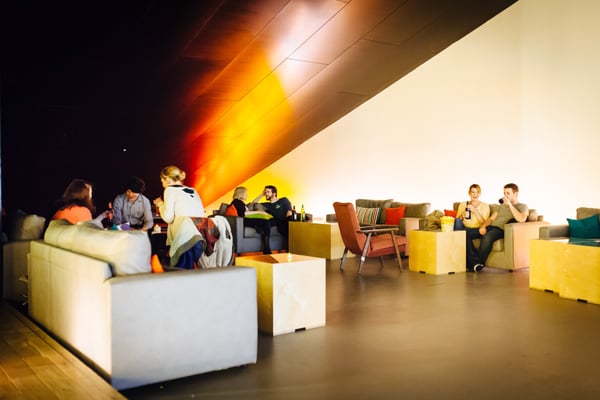
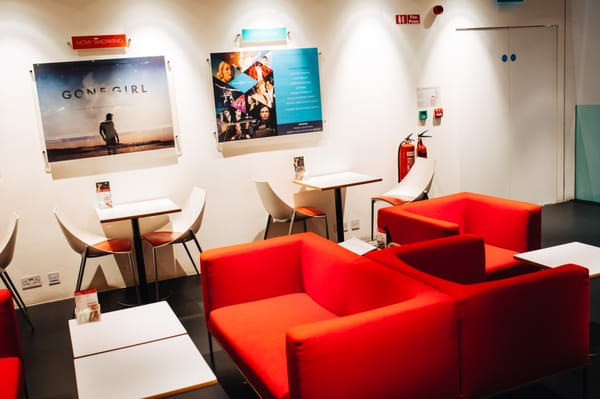
There’s a café/lounge area that feels like a social hub rather than an add-on. No predictable sticky nachos counter, just espresso, chairs, low tables, film talk and a relaxed crowd ranging from young cinema lovers and students to dedicated regulars. 
The screening rooms themselves are beautifully maintained, modern and calibrated for excellence — no ornate historic decor, just clean architectural lines supporting great projection and audio. It’s the kind of place where a classic 35mm print sits comfortably alongside festival premieres, foreign language cinema, documentaries or even niche event screenings. 
What truly lifts Light House above “just another cinema” is its role in Dublin’s cultural calendar. It is one of the main homes of the Dublin International Film Festival, a prestigious annual event that brings world premieres, international guests, Q&As, and curated programming right into this space. In any DIFF year you can expect a blend of Irish independent work, global cinema and thoughtful curation that honours both craft and audience conversation. 
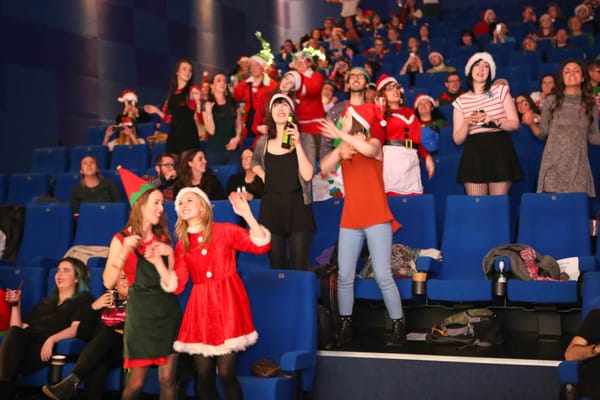
Unlike venues that chase glitz or celebrity buzz, this place feels joyfully connected to film lovers themselves. The crowd during my visit was composed of volunteers, students, festival goers and regular attendees — people who stay after the credits to talk, who sit in the café comparing notes, who watch with attention instead of distraction.
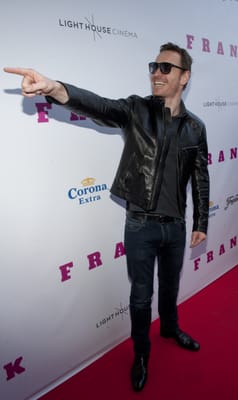
Smithfield itself has been transformed over the last decades into a lively urban quarter, and Light House sits at its heart — overlooking the square but serving a civic cultural role. It doesn’t rely on red carpets, big branding or star wattage. It runs on good programming, solid design, and real audience attachment. 
If you’re in Dublin and love film — from art house to thoughtfully curated classics — this place is a rare find. It feels like a home to cinema, not just a screen. I left feeling inspired, grounded, and genuinely glad such a space exists in the city.